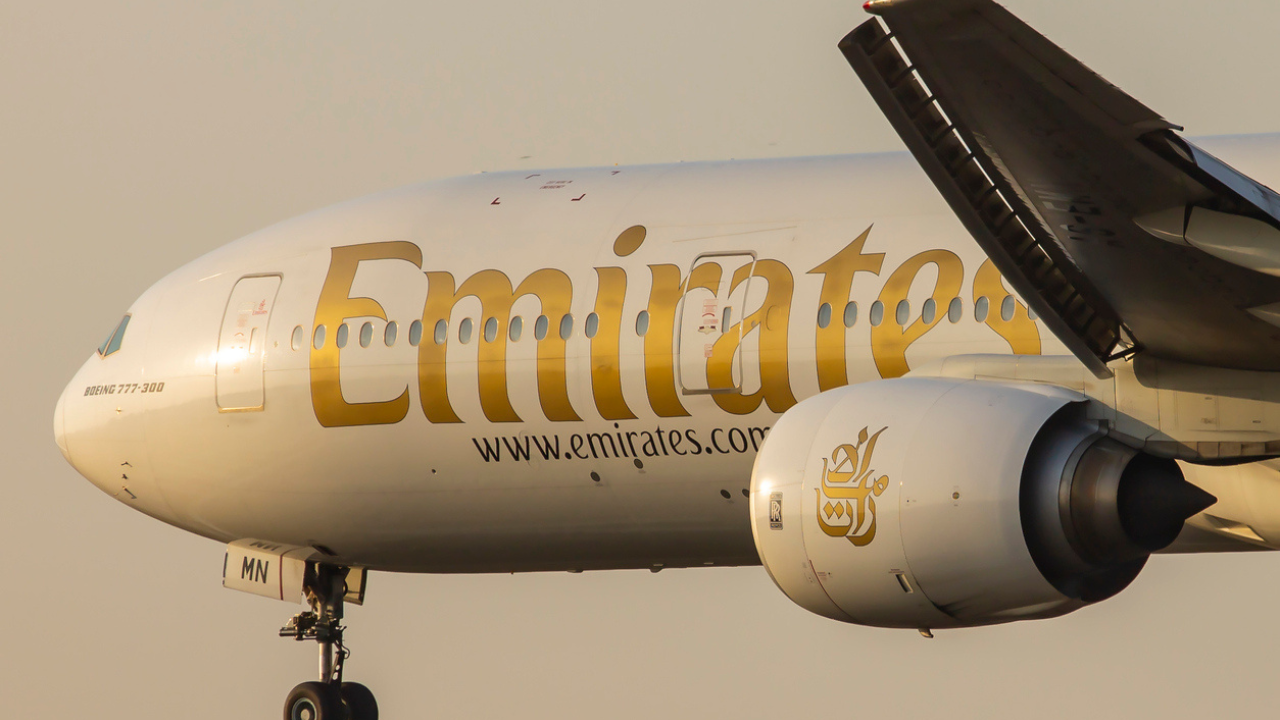







Airlines Introduce Fuel Surcharge
A significant shift is occurring in air travel costs as major airlines, including IndiGo, are introducing a new fuel charge. This measure, effective from
March 14, 2026, applies to all newly booked domestic and international flights. The decision stems from a dramatic escalation in aviation turbine fuel (ATF) prices, a primary operating expense for airlines. Data from the International Air Transport Association (IATA) Jet Fuel Monitor reveals that fuel costs have surged by over 85%, creating a substantial challenge for carriers. This surcharge represents a partial adjustment, as absorbing the full extent of the fuel price hike would necessitate considerably higher ticket prices.
Understanding the New Charges
The newly implemented fuel surcharge varies based on the flight's destination, creating a tiered pricing structure for passengers. For domestic flights within India, the additional charge per passenger, per sector, will be ₹425. Similarly, travel to the Indian subcontinent will incur the same ₹425 surcharge. Journeys to the Middle East will see an increase of ₹900 per sector. Flights bound for Southeast Asia and China will be subject to a ₹1,800 surcharge. Travel to Africa and West Asia also falls into this bracket, with the same ₹1,800 charge. For long-haul international routes to Europe, passengers can expect a surcharge of ₹2,300 per sector. These charges are a direct response to the volatile nature of fuel prices, which constitute a significant portion of an airline's operational budget.
Impact on Travellers
For air travellers, the introduction of this fuel surcharge translates directly into higher ticket prices, particularly for international itineraries. While domestic flight tickets might see an increase of approximately ₹400–₹500, longer international journeys, such as those to Europe, could become more expensive by over ₹2,000, depending on the specific route and demand dynamics. This price adjustment could pose a challenge for budget-conscious travellers and those planning international holidays. The increased cost is a direct consequence of the global rise in crude oil prices, exacerbated by recent geopolitical tensions in West Asia, which have significantly affected airline operational expenses worldwide. Other carriers, like Air India and Air India Express, have also recently implemented similar fuel surcharges.
Future of Fuel Charges
The applicability of this fuel surcharge is not set in stone; airlines have indicated that it will be subject to periodic review and adjustments. This means that as fuel prices fluctuate, so too will the surcharge. Historically, airlines have a pattern of removing such charges once fuel prices stabilize, offering some relief to passengers. However, for the immediate future, travellers should anticipate paying more for air tickets. This dynamic pricing model reflects the ongoing volatility in the energy markets and its direct influence on the aviation industry's economics, requiring airlines to adapt their pricing strategies to maintain operational viability.