






A Bold Alliance
A significant collaboration has been forged between a leading ride-sharing platform and an innovative electric vehicle producer, setting an ambitious target
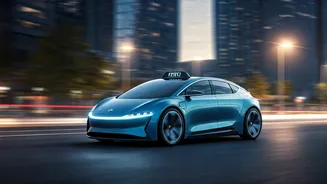
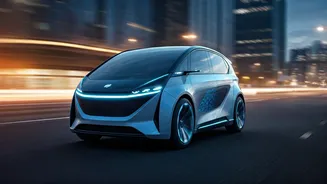
to integrate up to 50,000 fully autonomous vehicles into service by the year 2031. This partnership involves an immediate investment of $300 million from the ride-sharing company into the vehicle manufacturer, which translates to approximately 19.55 million shares. The initial phase of this venture could see the ride-sharing service or its associated fleet operators acquiring the first 10,000 of the manufacturer's all-electric, self-driving models. This strategic move signals a substantial commitment to advancing autonomous ride-hailing technology and expanding its reach significantly over the next decade, aiming to transform urban mobility.
Deployment and Expansion
Beginning in 2028, passengers in select initial markets, specifically San Francisco and Miami, are expected to have the ability to summon fully driverless vehicles directly through the ride-sharing application. This marks the commencement of real-world deployment for this advanced technology. Following this initial rollout, the ride-sharing company holds the option to procure an additional 40,000 units from the automotive manufacturer, with deliveries planned through to 2031. These vehicles are slated for deployment across a broad geographical scope, encompassing 25 different cities spread across the United States, Canada, and Europe. The success and scale of this deployment are, however, contingent upon the vehicle manufacturer meeting specific performance benchmarks related to its autonomous systems and operational reliability.
Technological Underpinnings
The core of this autonomous system relies on a sophisticated, third-generation technology platform developed by the vehicle manufacturer. This advanced system integrates a comprehensive suite of sensors, including eleven cameras, five radar units, and a single LiDAR sensor, providing a 360-degree view of the environment. These sensors feed data into the system, which is processed by two in-house specialized chips. These chips are designed to handle complex artificial intelligence computations, capable of delivering up to 1,600 TOPS (tera operations per second) of AI compute power. The ongoing development and refinement of these autonomous systems are expected to benefit from real-world driving data gathered as the manufacturer begins consumer sales of its R2 model in the spring, further enhancing the intelligence and safety of the vehicles.
Strategic Significance
The vehicle manufacturer's robust control over both the physical vehicle hardware and the proprietary autonomous driving software was a crucial factor in securing this major deal with the ride-sharing giant. This partnership signifies a major step forward for both companies. Following the announcement, the vehicle manufacturer's stock experienced a notable increase of approximately 10%, reflecting strong market confidence in the potential of this collaboration. This agreement further solidifies the manufacturer's position as a key provider of autonomous technology, complementing its existing substantial software partnership valued at $5.8 billion with another major automotive group. For the ride-sharing platform, this represents its most significant commitment to robotaxis to date, building upon previous collaborations with other automotive and technology firms.