
Streaming's Transformation
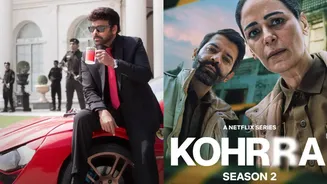
The rise of streaming platforms, particularly Netflix, marked a turning point in the film industry. This shift changed how movies are produced, distributed,
and consumed. Traditional theatrical releases face increased competition as audiences increasingly opt for the convenience of streaming. Netflix's success forced traditional studios to adapt, launching their streaming services to compete for viewers and revenue. This strategic move highlights the fundamental changes taking place in the entertainment sector, with streaming services becoming dominant forces that heavily influence the production and distribution of film content. The very concept of cinema has changed, impacting the way filmmakers approach content creation. The accessibility and vast content libraries offered by streaming platforms have reshaped viewer preferences and consumption habits.
Challenges and Skepticism
Despite its success, the streaming model encounters notable obstacles. The shift to streaming has introduced new economic models, impacting the distribution of revenue across various stakeholders in the film industry. Traditional business models faced skepticism as they dealt with challenges from the digital age. Investors and industry insiders question the sustainability of some streaming services' strategies, particularly their investments in original content and subscription models. Competition is fierce in the streaming market, demanding platforms to invest heavily in attracting and retaining subscribers. This includes major investments in original content and aggressive marketing efforts. This creates a volatile environment and raises concerns about profitability, making the long-term success of streaming services uncertain. Moreover, there is a complex interplay between streaming, traditional media, and the expectations of consumers, which fuels the ongoing evolution of cinema.
The Future of Cinema
The future of cinema remains uncertain, but it's clear that streaming services will play a significant role. The streaming model will continue evolving, with platforms experimenting with new ways to engage audiences. This includes interactive storytelling and personalized viewing experiences. The industry must adapt to audience preferences that are changing. The focus will likely shift to a balance between theatrical releases and streaming distribution. Streaming services are increasingly commissioning original content, providing filmmakers with more creative control. The traditional cinema experience might evolve, potentially incorporating aspects of streaming to ensure survival in a rapidly evolving market. It's a dynamic period for the entertainment industry, requiring both creators and industry to adapt to audience behavior.