





Mudras: The Foundation
The study highlights how Indian dance mudras could be a pivotal key in improving the dexterity of robotic hands. Mudras, which are precise hand gestures
in classical Indian dance, have been found to provide a detailed model for controlling the movements of robotic hands. The research examined the ways these gestures are executed, recognizing that each mudra embodies specific hand positions and intricate finger movements that are essential for expressing emotions, telling stories, and conveying spiritual ideas. This unique quality of mudras provided an effective framework for creating fluid and controlled hand motions in robots. These gestures, developed through centuries of practice in classical Indian dance forms, offer a systematic language of hand movements. They act as a detailed blueprint for a wide range of hand motions.
Decoding Robotic Hand
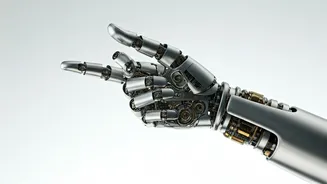
Scientists studying the application of mudras in robotics concentrated on the structural alignment between mudras and robotic hands. The scientists discovered that robotic hands, by using mudra principles, are capable of replicating the elaborate, expressive motions of human hands. These gestures, when translated into robotic code, help the machines to mimic the grace and control seen in dance. The procedure includes analyzing and categorizing a large range of mudras. Each mudra's features, such as hand position, finger movements, and the overall pose, are carefully examined. Researchers use these insights to design control systems that instruct the robotic hand on how to mimic each gesture accurately. The robotic hands are capable of producing a variety of movements by following the mudra guidelines.
Insights from Research
The research revealed a substantial degree of compatibility between the motions of Indian dance mudras and the mechanics of robotic hands. The findings demonstrated how the robotic hands could accomplish complicated tasks that needed fine motor control after being taught to perform the mudras. The researchers measured the robotic hands' efficiency, precision, and range of movement to determine their effectiveness. The study revealed that these robotic hands showed improved performance when performing activities such as grasping, manipulation, and delicate interactions. The application of mudra principles has enabled robots to perform tasks previously considered difficult, such as assembling small components or managing delicate objects. The integration of mudras into robotics is a significant advancement toward developing robots that can interact with the environment.
Future Prospects Explored
This research provides a starting point for the development of innovative robotic systems and has wide-ranging implications for the future. The findings of this research open up a wide range of opportunities in fields such as healthcare, manufacturing, and entertainment. Robots may be designed with a new level of dexterity and versatility thanks to the ability to duplicate the subtle motions of the human hand. In healthcare, robots might be developed that can carry out delicate surgical procedures with high precision or offer rehabilitation to patients. Robots in manufacturing may manage difficult activities that require accuracy and dexterity. The incorporation of mudras into robotics offers the potential for creating machines that can work safely and efficiently alongside humans, changing the way these industries function.