
The AI Revolution
Artificial intelligence (AI) has rapidly advanced, permeating various sectors. Machine learning, a subset of AI, enables systems to learn and improve from
experience without explicit programming. Applications span healthcare (diagnostics), finance (fraud detection), and transportation (self-driving cars). Natural Language Processing (NLP) allows computers to understand and generate human language, enhancing communication through chatbots and virtual assistants. Ethical considerations and responsible AI development are crucial, ensuring fairness, transparency, and accountability in AI systems. The future holds even greater advancements, including AI-driven personalized experiences and solutions to complex problems.
Sustainable Technologies
Sustainable technologies are increasingly important as the world strives to mitigate climate change and protect the environment. Solar and wind energy are leading examples, offering renewable alternatives to fossil fuels. Energy storage solutions, such as advanced batteries, are critical for balancing the intermittent nature of renewables. Smart grids optimize energy distribution, enhancing efficiency and reducing waste. Green building practices incorporate sustainable materials and energy-efficient designs. Electric vehicles (EVs) are gaining popularity, reducing emissions from transportation. These technologies contribute to a more sustainable future by decreasing carbon footprints and conserving resources.
Digital Transformation
Digital transformation is reshaping industries, driven by the adoption of cloud computing, big data analytics, and the Internet of Things (IoT). Cloud computing provides scalable infrastructure and services, enabling businesses to reduce costs and improve agility. Big data analytics unlocks insights from vast datasets, informing better decision-making and innovation. IoT connects devices, collecting and sharing data to improve efficiency and create new services. The combination of these technologies is driving significant shifts in business models, customer experiences, and operational processes. Organizations are using digital tools to streamline operations, enhance customer engagement, and foster innovation, resulting in more agile, responsive, and data-driven organizations.
Biotechnology Advancements
Biotechnology continues to make strides in healthcare, agriculture, and environmental science. Gene editing technologies, like CRISPR, offer precise tools for modifying DNA, holding potential for treating genetic diseases. Advances in drug development, including personalized medicine, are tailored to individual patient profiles. Biotechnology also contributes to sustainable agriculture, enhancing crop yields and reducing environmental impacts. Bioremediation uses microorganisms to clean up pollutants, addressing environmental challenges. These advancements offer solutions to global challenges, enhancing human health, improving food security, and promoting environmental sustainability. The future promises further innovations in genomics, drug discovery, and biotechnology applications.
Space Exploration Progress
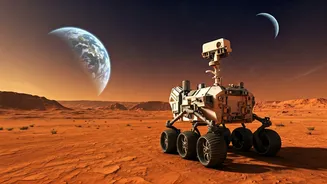
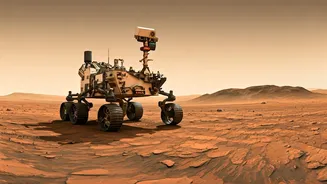
Space exploration remains a significant area of technological advancement, driving innovation in materials, robotics, and communication. Recent missions to Mars and the Moon are expanding our knowledge of the solar system. Space-based telescopes are providing unprecedented views of the universe, leading to discoveries about the formation of galaxies and exoplanets. Private companies are playing an increasing role, contributing to reusable rockets and commercial space travel. The technologies developed for space exploration have numerous applications on Earth, including advanced materials, improved communication systems, and medical innovations. Future exploration efforts will likely focus on establishing a sustainable presence in space, seeking resources and expanding human presence beyond Earth.