
Kahwa: A History
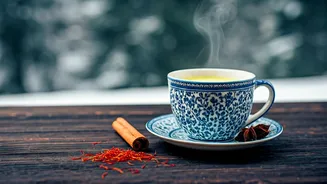
Kahwa, a traditional green tea beverage, holds a significant place in Kashmiri culture. It is more than just a drink; it embodies hospitality and warmth,
frequently served to guests. Originating in the Kashmir Valley, its roots trace back centuries, evolving through generations. The drink's preparation is a cherished ritual, reflecting the region's rich heritage. Beyond Kashmir, Kahwa has expanded its popularity, becoming a comforting drink throughout India, and beyond, especially during the colder months. Its association with cultural traditions adds depth to its enjoyable flavor profile, making it a beloved drink for various communities. The specific blends vary by region, but the core spices and nuts remain consistent, contributing to the consistent, comforting taste.
Essential Ingredients
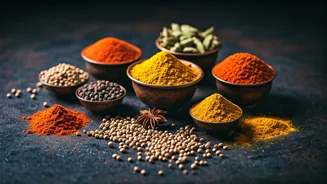
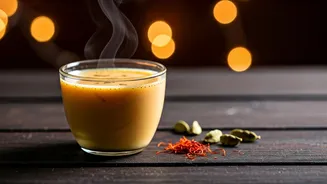
Creating the perfect Kahwa requires a specific set of ingredients. The base is green tea leaves, preferably of high quality. Key spices include cardamom, cinnamon, and cloves, which contribute to the drink's warmth and aroma. Saffron strands are added for their distinct color, flavor, and health benefits, lending a luxurious touch. The nuts, often almonds and sometimes walnuts, provide texture and richness. Sugar or honey is added to taste, allowing for personalization. Water is the primary liquid, and the quality can influence the final taste. Some recipes include rose petals and a pinch of salt to enhance the flavor. Understanding the role of each ingredient allows for adjustments to tailor the Kahwa to individual preferences.
Brewing Step-by-Step
Making Kahwa involves several easy-to-follow steps. Start by boiling water in a pot. Add the green tea leaves and spices such as cardamom, cinnamon, and cloves. Allow the mixture to simmer for a few minutes, which allows the flavors to meld. Next, add saffron strands, and stir. Strain the tea into cups. Finally, add almonds and sugar (or honey) to taste. Stir well to dissolve the sugar and to distribute the nuts. Serve immediately while warm to fully experience the flavor and warmth. Adjusting the amounts of each ingredient is possible to suit individual tastes. Careful brewing ensures that the tea is not too bitter or overly spiced, allowing for a balanced and delightful experience.
Serving Suggestions
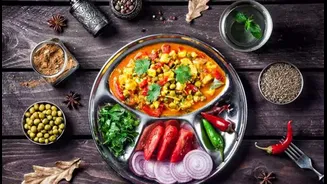
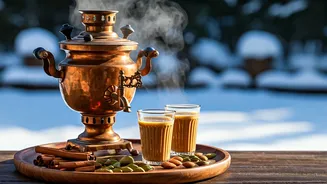
Kahwa can be served in various ways to enhance the experience. Traditionally, it's served in small cups, allowing for slow sipping and savoring of the flavors. Pairing Kahwa with traditional Kashmiri snacks like bakarkhani or girda further complements the beverage. Kahwa is often enjoyed as a welcoming drink for guests, symbolizing hospitality and warmth. During special occasions and festive times, Kahwa becomes an integral part of celebrations. It can be served hot at any time of day, making it a versatile drink. Additionally, presentation matters; serving the tea in elegant cups adds to the experience. Whether enjoyed alone or with friends and family, Kahwa offers a comforting and culturally rich experience that brightens any occasion.
Variations & Alternatives
Kahwa recipes can be adapted to individual preferences. Some recipes use different types of nuts, like walnuts or cashews, to vary the texture and flavor. Honey can replace sugar for a natural sweetener, influencing the taste and nutritional profile. For a lighter version, the quantity of spices can be reduced. Another variation includes adding a pinch of salt to balance the sweetness and enhance the flavors. Different types of green tea leaves can also be used, impacting the drink's taste profile. Explore by adding dried fruits like raisins or figs for added sweetness and texture. Experimentation allows for a personalized Kahwa that suits specific tastes and needs, ensuring a unique and delightful experience.