







Changing Job Landscape
The Indian job market is currently showing unique patterns, with a visible inclination towards candidates who possess educational qualifications below
the 10th-grade level. This signals a deviation from earlier preferences and highlights the need to comprehend the underlying drivers behind this shift. Several factors may influence this trend, including the rapid advancement of technology, changes in industry needs, and the specific skill sets sought by employers. Furthermore, this trend could signify an adaptation to emerging job roles that do not necessarily require advanced academic qualifications. This shift prompts questions concerning the impact on the long-term career prospects for individuals with various educational backgrounds, emphasizing the necessity for a nuanced evaluation of the job market's dynamics.
Factors Driving Change
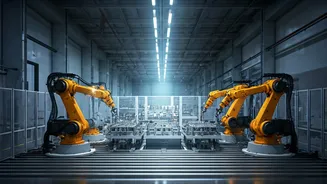
Multiple forces contribute to the shifting landscape of India's job market, notably the increasing influence of technology. Certain industries are experiencing a rise in automated tasks and roles that prioritize practical skills over conventional academic qualifications. The rapid pace of technological innovation is reshaping the skillset requirements, thus causing employers to reassess their hiring criteria. The growth of sectors like e-commerce, logistics, and certain service-oriented industries is also contributing to the preference for candidates with less formal education. These industries often require specific skill sets like adaptability, quick learning, and hands-on experience, often more readily found in individuals with diverse educational experiences. Moreover, the demand for specialized vocational training and skill-based certifications has risen, possibly making employers value practical skills more highly than standard educational degrees.
Impact and Implications
This trend carries significant implications for various stakeholders. The preference for less educated candidates could create both opportunities and challenges. While it might open doors for individuals who may not have pursued higher education, it could also potentially affect the long-term career development and earning potential of those with advanced degrees. It's crucial for educational institutions to adapt their curricula to emphasize vocational training and skill development that aligns with industry requirements. Moreover, this shift necessitates careful consideration of how to ensure fair employment practices and provide opportunities for upskilling and reskilling to address the changing demands. Policymakers should focus on initiatives that promote equal opportunities, bridge skills gaps, and support lifelong learning for the workforce to navigate this transition effectively.
The Road Ahead
Looking forward, the evolution of India's job market calls for a proactive approach. Understanding the skills and competencies in demand is crucial. Continuous learning and adaptability will be key for individuals to stay relevant in this changing environment. Further, the government, educational institutions, and businesses must collaborate to establish training programs and initiatives focused on skill development. These initiatives should concentrate on bridging skill gaps and equipping the workforce with the tools necessary to compete in the job market. This also means supporting entrepreneurship and fostering a business-friendly environment that allows for innovation and economic growth. The job market's trajectory will depend on how effectively these components work together, creating a sustainable and inclusive system for employment in India.