





The Fungal Menace
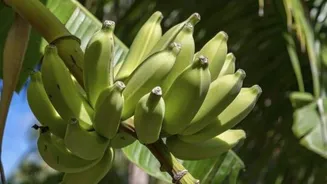
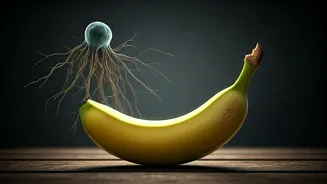
Banana cultivation, particularly of the widely consumed Cavendish variety, faces a severe and escalating threat from Fusarium wilt, commonly known as Panama
disease. Specific strains, like Sub Tropical Race 4 (STR4), are highly virulent and spread through soil contamination, rendering infected fields unusable for future banana plantings. This destructive pathogen causes infected plants to wilt and die, leaving behind a persistent residue that continues to infect subsequent crops. The global impact of this disease necessitates urgent and sustainable solutions to prevent widespread crop failure and ensure the continued availability of bananas for consumption.
Source of Resistance
In a significant breakthrough, scientists have successfully identified the genetic basis for resistance to STR4 within a wild banana subspecies called Calcutta 4. This particular wild banana, while not suitable for commercial consumption due to its unpalatable fruit, possesses a potent natural defense against the devastating fungus. Through meticulous cross-breeding experiments involving Calcutta 4 and susceptible banana varieties from another diploid subspecies, researchers were able to isolate the specific genomic region responsible for this vital resilience. This targeted approach allowed them to map the resistance trait to chromosome 5 in Calcutta 4, marking a pivotal moment in the fight against Panama disease.
Years of Research
The culmination of this vital research project represents five years of dedicated effort by scientists at The University of Queensland. The process involved developing new generations of banana crosses and then meticulously testing their resistance to STR4. Each new hybrid plant required at least 12 months to mature before it could be assessed for its ability to withstand the fungal pathogen, followed by further breeding once flowering occurred. This extensive timeline highlights the complexity and dedication required for this scientific endeavor. The team employed a combination of advanced techniques, including forward genetics for population development and disease screening, alongside genome sequencing and bulked segregant analysis, to precisely pinpoint the resistance-conferring gene.
Future of Bananas
The discovery of the STR4 resistance gene in Calcutta 4 paves the way for developing future commercial banana cultivars that can naturally withstand Fusarium wilt. While Calcutta 4 itself is not a viable commercial fruit, the identified genetic resistance can be transferred to desirable eating varieties. The next critical step involves translating this genetic understanding into practical breeding tools. Scientists aim to develop molecular markers that allow for early and accurate screening of banana seedlings for resistance. This will significantly accelerate the breeding process, reduce costs, and ultimately lead to the development of bananas that are not only delicious and easy to cultivate but also genetically protected against devastating diseases like Fusarium wilt.