





Ancient Genetic Insights
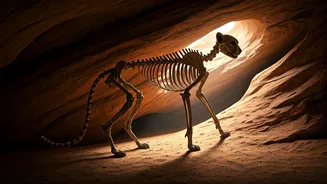
The cheetah mummies, discovered within Arabian caves, represent a remarkable find for scientists studying these magnificent creatures. This discovery is a breakthrough
because it presents the opportunity to extract ancient DNA from a population that has vanished. This allows researchers to gather a more comprehensive understanding of the evolutionary history of cheetahs, as well as the genetic diversity and uniqueness of this lost population. The information obtained through genetic analysis can provide invaluable data that is critical for conservation strategies. It allows scientists to address the unique challenges that these populations are facing, providing key information on the best conservation methods to support them.
Arabian Cheetahs' History
Before this discovery, details on the Arabian cheetah population was not widely known to the public. These cheetah mummies serve as a rare genetic snapshot of a group of cheetahs that disappeared. It is necessary to clarify the reasons behind the decline and extinction of this population, which may be due to factors such as habitat loss, climate change, or other environmental issues. The genetic data from these mummies provides a look into the Arabian cheetahs' past, and the lessons learned from this discovery could inform strategies for preserving existing cheetah populations, especially those facing similar dangers. The genetic make-up of these cheetahs could also help understand how diseases affected them.
Conservation's New Aid
The study of cheetah mummies is a big leap forward in the field of conservation. This new data can be used to inform and improve conservation plans for modern cheetah populations. When comparing the ancient genetic material with that of living cheetahs, scientists can track changes in the population over time. This can help identify potential genetic weaknesses, which may make the species vulnerable to illnesses. With a better understanding of the cheetah's genetic make-up, conservationists can make decisions to protect the species and improve their survival in the wild. This includes managing habitats, breeding programs, and other conservation techniques.
Unveiling Big Cat Collapse
This finding offers a better understanding of factors that contribute to the decline of cheetah populations. By analyzing the genetic data from the mummies, scientists can detect any specific adaptations that helped or hindered their survival. This also helps with identifying potential genetic bottlenecks. Furthermore, the information provides insights into how environmental and climatic changes impacted the population and how they may affect modern cheetahs. The study will allow scientists to assess the factors leading to the collapse, and apply what has been learned to help conserve the existing cheetah populations.