
Dance and Robots
The research, conducted at the University of Maryland, Baltimore County (UMBC), centers on the potential of Indian classical dance mudras to teach robots
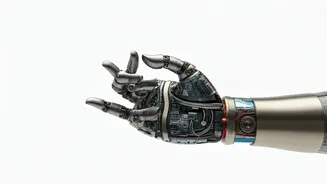
hand dexterity. The study reveals how the complex movements and forms present in mudras can provide a framework to improve the control of robotic hands. This approach suggests a novel way to address the limitations of current robotic hand control systems. This could lead to a significant advancement in robotics. The utilization of these gestures, rooted in tradition, is a testament to the interdisciplinary scope of modern scientific studies.
Mudras Explained
Mudras, fundamental to Indian classical dance, are precise hand gestures that serve a range of functions, including storytelling and expressing emotions. The UMBC study focuses on translating these intricate gestures into effective commands for robotic hands. Every mudra has a specific meaning and must be performed with precision. By capturing the different formations and motions that the hand undertakes, scientists aim to translate the intricacies into a language that robots can understand. By encoding these hand gestures, the study seeks to advance the dexterity and precision of robotic manipulators. This approach could significantly enhance their capabilities in various sectors, from manufacturing to healthcare.
Robot Hand Control
Current robotic hand control systems can struggle with complex tasks that need precision. The UMBC study examines how to incorporate mudras into robotic controls to overcome these challenges. The goal is to provide robotic hands with improved dexterity and manipulation skills. The project could lead to robots that are more capable of dealing with complicated movements. This technique has the potential to enhance robotic hand control significantly. This includes activities such as gripping, assembling, and manipulating objects in ways that are difficult with current technology. The findings have important implications for the advancement of robotics and its practical applications across different industries.
Study Findings
The researchers at UMBC are working to define the specific mappings between the intricacies of mudras and the operation of robotic hands. The initial findings look promising, indicating that the robotic hands can imitate the gestures and movements. The project's success is a promising indication of the feasibility of incorporating cultural practices into technological development. The project focuses on improving the flexibility and skill of robotic hands, which is a major technological breakthrough. The findings point to the potential for robots with improved capabilities and a more human-like manner.
Future Implications
The integration of mudras into robotics is a significant step towards developing more advanced and flexible robotic systems. The researchers aim to refine the models so they will be able to perform a wide variety of tasks with more precision. This method could significantly improve the capabilities of robots in sectors like manufacturing and surgery. In the long term, this study may lead to a collaboration between the worlds of art and technology. This could open doors for more sophisticated interactions between humans and robots.