






Skill Obsolescence Defined
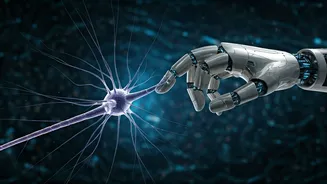
The very nature of skills is changing at an unprecedented rate, often described as 'skill obsolescence.' This highlights the reality that what we learn
today might not remain valuable tomorrow. It's a critical concept, particularly in the science and technology sector, where innovation cycles are extremely rapid. The implication of this is profound: the traditional notion of acquiring a specific skill set and relying on it for an entire career lifespan is becoming increasingly unrealistic. Instead, individuals are now being challenged to prioritize adaptability and continuous learning. This means being prepared to acquire new skills, unlearn old ones, and remain open to evolving career paths. Recognizing this shift is the first step in preparing oneself for a career landscape that rewards flexibility and a commitment to ongoing professional development. The focus should therefore shift from achieving the 'perfect' career to cultivating a mindset that embraces change and lifelong learning.
Duflo's Perspective Shifts
Esther Duflo, a Nobel Prize winner, brings a unique lens to the discussion, emphasizing the need for students to move beyond the pursuit of a ‘perfect’ career. She suggests that the focus should be less about finding a fixed and predetermined path and more about building a flexible skill set that can be adapted to changing demands. This mindset shift is not about abandoning ambition but rather about recalibrating it toward resilience and adaptability. Duflo's perspective underscores the importance of transferable skills: the abilities and knowledge that can be applied across different roles and industries. These might include critical thinking, problem-solving, communication, and the capacity to learn new technologies. Her message resonates strongly with the evolving needs of the modern workforce, which increasingly values individuals who can thrive in dynamic and unpredictable environments. It's a call to embrace continuous learning and to view career development as an ongoing process rather than a destination to be reached.
Adaptability & Learning
The key takeaway is the need for consistent adaptation and learning. The rapidly changing technological and social landscape makes it necessary to embrace a mindset that prioritizes growth and the willingness to learn new skills continually. This doesn't simply mean taking courses or earning degrees but actively seeking out new knowledge and experiences. It includes a proactive approach to understanding the trends that will shape future job markets. This could involve exploring online learning platforms, attending industry events, or engaging in projects that stretch your abilities. Cultivating a diverse skill set is advantageous because it increases versatility and expands employment options. Flexibility is also essential; being open to exploring different roles and industries allows one to take advantage of new opportunities as they arise. It is through persistent effort and a commitment to continual self-improvement that one can navigate the complexities of a dynamic career landscape and maintain professional relevance.
Embracing Imperfection
Moving away from the pursuit of a flawless career path and accepting the idea that it is alright to not have all the answers can be liberating. Embracing imperfections means recognizing that career journeys can involve detours and new directions. The emphasis should be on developing a robust and adaptive approach to employment that supports growth and agility. This perspective acknowledges that careers may change significantly over time, and the skills deemed valuable at one point may become less significant later. It is about understanding that professional development is an iterative process, with each step offering new lessons. The key is maintaining a growth-oriented mindset. It requires the capacity to learn from both achievements and shortcomings, turning every experience into an opportunity for advancement. This shift in perspective is about fostering a sense of resilience. It is about finding the strength to bounce back from setbacks and to remain focused on personal and professional goals despite the unavoidable shifts that come with the changing work environment.
Future-Proofing Your Career
To future-proof your career, embrace a proactive approach. It begins with identifying essential skills and understanding which competencies are most likely to remain valuable over time, such as critical thinking, problem-solving, and adaptability. Invest in continuous learning by keeping current on industry trends and acquiring new skills through online courses, workshops, and certifications. Network strategically within your field and seek mentorship opportunities to gain insights from experienced professionals. Embrace flexibility and be open to different job roles and industries. Cultivate a growth mindset, viewing challenges as learning opportunities and adapting your skills as needed. By proactively managing your career, you can stay relevant and maintain long-term professional success. Prioritize transferable skills and embrace a lifelong learning attitude to adapt to the constant changes in the job market and maximize opportunities for growth. Remaining flexible, adaptable, and informed is essential to navigating a future where skills are continually evolving and the only constant is change.