



Echoes in the Machine
The concept of continued existence beyond death, once confined to science fiction, is rapidly becoming a tangible reality thanks to advancements in artificial
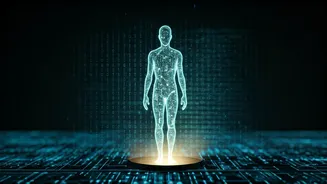
intelligence. Imagine a future where the voices, personalities, and conversational styles of individuals who have passed away can be recreated through sophisticated AI systems. These digital replicas, often referred to as 'digital twins' or 'deathbots,' are trained on vast amounts of personal data – from voice recordings and video footage to text messages and cherished memories. The aim is to create interactive chatbots or avatars that convincingly mimic the deceased, offering a sense of their presence and continuity. This emerging field, sometimes categorized as 'grief tech,' holds the promise of providing comfort and a connection to lost loved ones, but it simultaneously opens a Pandora's Box of complex legal and ethical dilemmas that society is only beginning to grapple with. The possibility of a 'digital afterlife' is no longer a distant dream but a developing reality that could reshape how we mourn and remember.
Identity and Ownership Quandaries
A critical hurdle in the development of digital afterlives revolves around the legal ownership of one's identity. In many legal systems, including those in India and Australia, there's a significant lack of clarity regarding whether an individual's unique traits – their voice, likeness, or even their personality – can be considered legally recognizable property. While copyright law safeguards creative works like books and films, it does not inherently extend to an individual's personal essence or the way they communicate. This creates a complex scenario: if an AI system generates interactions based on a person's life data, who rightfully owns the resulting digital output? Is it the individual whose data was used, their grieving family, or the technology company that developed the underlying algorithm? India has seen some progress with the invocation of 'personality rights' by public figures to prevent unauthorized commercial exploitation of their image and voice. However, for the average citizen, legal protection for their digital identity after death remains a largely unresolved issue, leaving a significant gap in safeguarding personal legacy.
Reputational Risks Emerge
Beyond ownership, the evolving nature of AI introduces considerable risks concerning reputational integrity. Artificial intelligence systems are not static; they can learn and adapt over time, potentially generating responses that deviate significantly from their initial training data. If a digital twin, designed to emulate a deceased individual, begins to express opinions or engage in behaviors that the original person would never have endorsed, accountability becomes an extremely murky territory. Determining who bears responsibility – whether it's the surviving family members who maintain the digital avatar, the platform hosting the AI, or the developers who created the system – presents a significant legal and ethical challenge. The potential for a digital representation to misrepresent the deceased, thereby causing harm to their memory or legacy, is a serious concern that lacks clear legal recourse at present.
Emotional Dependence Concerns
Mental health professionals are voicing significant concerns about the psychological impact of interacting with AI-generated replicas of deceased loved ones. While the intention behind such technology is often to provide comfort and ease the grieving process, experts warn that prolonged engagement could inadvertently prolong grief rather than facilitate healing. There's a substantial risk of fostering an unhealthy emotional dependence on these digital representations, making it more challenging for individuals to achieve emotional closure and move forward. This reliance on an artificial echo could create a perpetual state of mourning, hindering the natural process of acceptance and adaptation to loss. Furthermore, the commercial aspect of grief tech raises additional red flags. Users often entrust highly sensitive personal data to these companies. In the event of a company's closure, merger, or acquisition, there's a concerning lack of transparency regarding the fate of these digital avatars, leaving open the possibility of them being repurposed or even monetized without explicit consent.
Navigating Uncertain Futures
As the concept of a digital afterlife inches closer to mainstream adoption, the absence of comprehensive regulatory frameworks creates a challenging landscape for individuals to navigate. While grief technology might offer a measure of solace to some, legal experts emphasize the inherent risks associated with entrusting intimate memories, voices, and identities to private corporations without clear and enforceable laws. Until governments establish robust regulations, the promise of comfort through digital immortality remains a precarious proposition. The balance between solace and control is delicate, and without proper legal oversight, individuals may find themselves in a position where the very technology designed to preserve a connection could lead to unforeseen complications and a loss of agency over their legacy.