
Visa Stamping Woes
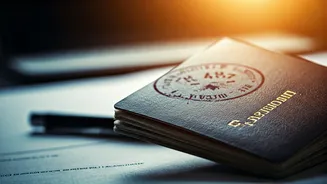
The delay in visa stamping for Indian H-1B holders has become a prominent issue, causing considerable distress and uncertainty. The core of the problem
stems from a backlog in visa processing at various consulates and embassies. The extended waiting times are disrupting the lives and careers of many Indian professionals, forcing them to postpone travel plans and face professional instability. The H-1B visa, essential for skilled workers to work in the United States, has faced increased scrutiny and procedural slowdowns in recent times, exacerbated by various factors including staffing shortages and increased application volume. These delays are causing employees to worry about job security and the ability to continue working in their current roles, leading to a ripple effect of financial anxieties and disrupted career trajectories. The current environment presents a complex challenge for those seeking to work and contribute to the US economy.
Impact on Employment
The significant delays in visa stamping have a direct impact on the employment of Indian H-1B visa holders. These individuals, unable to travel or unable to return to the U.S. after travel, are at risk of job loss. Many companies are unable to wait indefinitely for employees to resume their roles, especially in competitive industries. Consequently, some holders are experiencing job offers being rescinded or facing the prospect of termination, thereby jeopardizing their professional lives. Moreover, the uncertain situation has contributed to salary cuts, as some employers, faced with the inability of employees to fulfill their contractual obligations, are forced to reduce salaries. The strain extends beyond immediate financial ramifications, including a negative impact on career advancement and long-term professional development. The issue demands urgent attention to stabilize the careers and financial wellbeing of affected individuals.
Causes for Delays
The root causes of the H-1B visa stamping delays are multifaceted. One primary factor is the increased demand for visa applications, combined with capacity constraints at U.S. consulates and embassies worldwide. The processing backlogs have been exacerbated by resource limitations and the complex nature of the application process. Furthermore, changes in visa policies and increased scrutiny of applications have lengthened processing times. Certain geopolitical events and heightened security measures also contribute to delays, as they may impact staffing and operations at consulates. Technological issues, such as occasional system failures, can additionally affect efficiency. The cumulative effect of these various elements is the prolonged waiting periods experienced by Indian H-1B visa holders. The complexity of these issues highlights the need for systemic solutions to address the bottlenecks and facilitate a smoother, more efficient visa process.
Seeking Solutions
H-1B visa holders and their advocates are actively seeking solutions to address the ongoing delays. One area of focus involves urging the U.S. government to increase staffing levels at consulates and embassies to facilitate faster processing. Additionally, calls for streamlined application procedures, through automation and optimization of the review processes are common. Legal experts suggest advocating for legislative changes that address the backlog and offer temporary relief. Many individuals are also proactively seeking assistance from their employers and professional organizations to navigate the complexities and get information. Some are resorting to legal counsel to explore options and protect their interests. The combination of advocacy, policy changes, and individual action represents a multi-pronged approach to mitigate the negative impacts and promote a more efficient and reliable visa process.