





Shedding Orbital Velocity
Astronauts aboard the Gaganyaan crew module experience the thrilling speeds of space, orbiting Earth at approximately 7,800 meters per second. The most
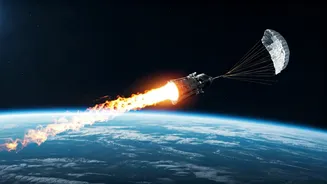
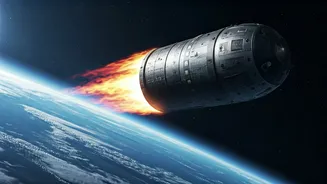
significant hurdle upon returning is dissipating this enormous kinetic energy to achieve a gentle landing. The atmosphere itself acts as the primary braking mechanism, a process known as aerobraking. As the module plunges into the atmosphere, friction generates intense heat and drag, effectively slowing it down and absorbing the bulk of its momentum. This natural deceleration is crucial, but it's just the first step in a carefully orchestrated sequence designed to ensure the safety of the crew as they prepare for their final descent and landing.
The Parachute Precision
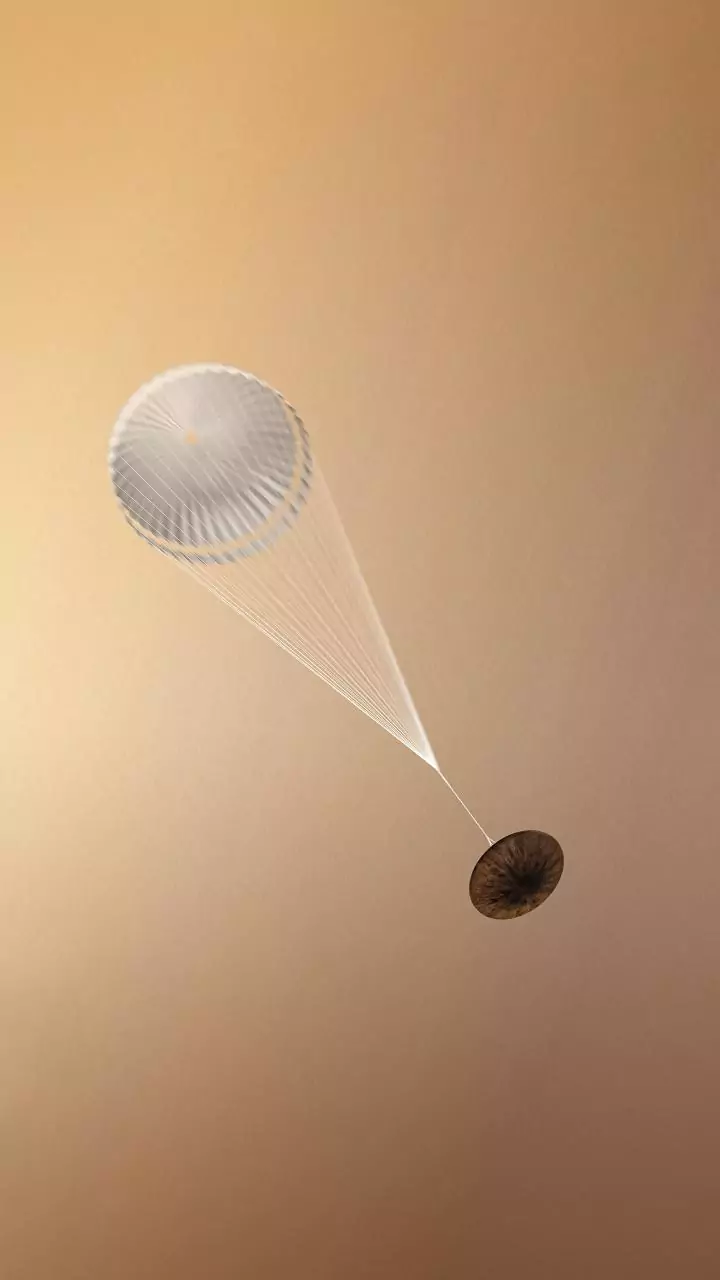
While atmospheric drag handles the lion's share of speed reduction, a sophisticated multi-stage parachute system is indispensable for achieving a soft landing. Once the Gaganyaan module has descended to altitudes below 12 kilometers, this critical system is activated. The deployment is initiated by powerful pyro-actuated mortars, ensuring rapid and precise opening of the parachutes. These aren't just any parachutes; they are engineered to progressively slow the module's descent, transforming a high-velocity plunge into a controlled touchdown. The sequence of parachute deployments is meticulously timed and executed to manage the remaining speed effectively, guaranteeing that the astronauts experience a landing that is as smooth and safe as possible.
Recovery System Essentials
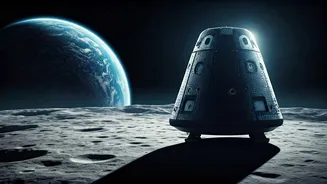
The journey doesn't end with a controlled descent; the complete recovery system ensures the module and its occupants are brought back safely, whether splashing down at sea or landing on land. This comprehensive package includes not only the vital parachutes but also advanced locating devices. These trackers are essential for pinpointing the module's exact splashdown or landing site, allowing recovery teams to reach the astronauts swiftly. For sea landings, an up-righting system is also integrated. This clever mechanism automatically adjusts the module's orientation after impact, ensuring it remains stable and upright in the water, which is crucial for the crew's well-being and for facilitating immediate rescue operations. Modules like SpaceX's Dragon, Gaganyaan, and NASA's Orion exemplify this integrated approach to safe recovery.