




The Human Touch
Despite the futuristic image of self-driving cars operating autonomously, recent government documents unveil a surprising truth: human intervention remains
a cornerstone for the safe functioning of services like Google's Waymo and Elon Musk's Tesla. These autonomous vehicle providers have often presented their technology as completely independent, but filings indicate sophisticated 'remote assistance' programs where trained personnel step in when the AI encounters situations it can't handle. This human oversight is crucial for navigating unexpected challenges such as severe traffic jams, damaged road infrastructure, or ambiguous traffic signals that could otherwise lead to operational failures or safety risks. Experts emphasize that recognizing the need for human help is a significant hurdle in autonomous driving development, highlighting that for the foreseeable future, human involvement will continue to play a critical safety role in the behavior of these vehicles. This continuous human element, therefore, is not just a temporary fix but an integral part of how these services currently operate, offering a clearer understanding of the technological landscape behind the automated driving experience.
Waymo's Remote Support
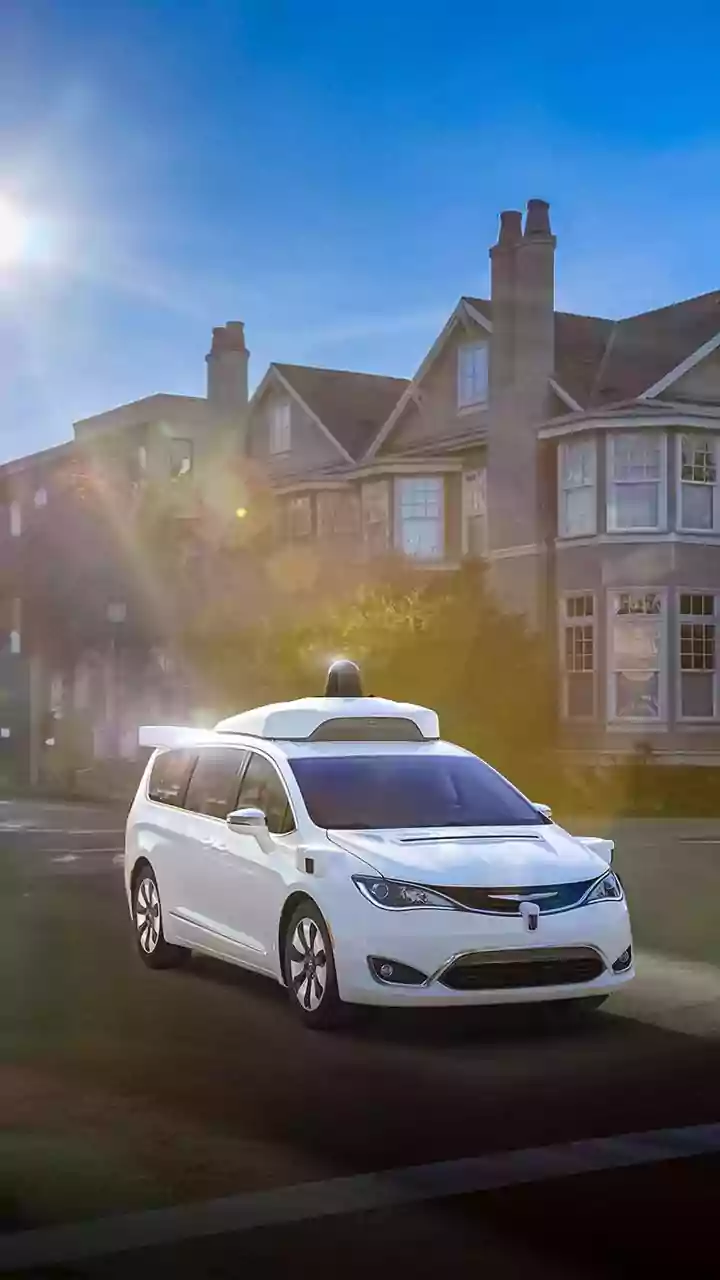
Google's Waymo operates a widely available robotaxi service across six major US cities and plans to expand further, including international markets. The company has shed light on its 'remote assistance' (RA) program, detailing how human workers provide support when the autonomous system signals a need. According to Waymo's vice president, these remote agents offer advice and data that the self-driving software can choose to accept or disregard, thereby clarifying that they do not directly control the vehicle's actions. At any given time, approximately 70 remote assistants are monitoring around 3,000 vehicles. This workforce is geographically diverse, with about half comprising contractors based in the Philippines, complemented by staff in Arizona and Michigan. These remote operators are equipped with Philippine driving licenses and undergo rigorous training in US traffic regulations. Waymo also implements strict drug and alcohol screening upon hiring and conducts random testing quarterly. For more complex issues, such as accidents or interactions with law enforcement, a specialized US-based team provides advanced support, demonstrating a layered approach to human assistance within the autonomous system.
Tesla's Human Oversight
Tesla initiated a limited robotaxi service in Austin, initially featuring human safety monitors in the front passenger seats. While Elon Musk later indicated that some vehicles began operating without these monitors, chase cars are still employed in certain scenarios. Furthermore, a ride-hailing service operated by Tesla in the Bay Area continues to utilize human drivers. In official filings, Tesla's AI technical program manager detailed the company's operation of 'remote operators' based in Austin and the Bay Area, emphasizing that these operators must be located within the US. The company confirms that its operators undergo background checks, drug and alcohol screenings, and possess valid US driver’s licenses, although the frequency of these interventions remains unspecified. Industry experts underscore the ongoing significance of these remote assistance systems for safety. As researcher Philip Koopman points out, any human involved in the system, even remotely, introduces a potential safety factor that requires careful management and consideration to prevent accidents.