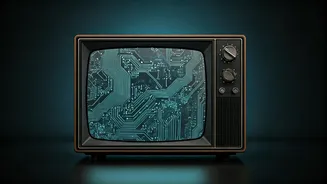








Early TV's Beginnings
Television, a now-ubiquitous medium, has a history filled with interesting facts. The early days of TV were characterized by experimentation and innovation.
The first public TV broadcasts occurred in the late 1920s, but it took several years for the technology to mature and become widespread. These broadcasts were rudimentary compared to today's high-definition content, often featuring simple programming. Early television sets were expensive and primarily available in wealthier households. Furthermore, the programming was limited, often consisting of live performances, news, and experimental dramas. The evolution of television from a niche technology to a mass medium is a story of technological advancements and cultural shifts. Early pioneers laid the groundwork for the industry that would dominate entertainment and information for decades to come. Early programs were live, making mistakes a part of the experience, and early stars quickly became household names. The challenges in those formative years shaped the future of the medium. The transition was gradual, marked by increasing quality, accessibility, and content diversity.
Pioneering TV Moments
Television has witnessed many historical moments that have shaped culture. The first televised presidential debate between John F. Kennedy and Richard Nixon was a watershed event, transforming how political campaigns were conducted and perceived. Live broadcasts of significant events, such as the coronation of Queen Elizabeth II in 1953, brought the world closer together. These broadcasts had a profound effect on global audiences. The spread of news and entertainment was accelerated by the immediacy of television. Additionally, the development of color television marked a dramatic shift in the viewing experience, bringing vivid visuals to screens across the country. Space explorations were also captured and broadcast to the world. The introduction of 24-hour news channels and the advent of cable further diversified programming. The impact of these moments cemented television's place as a powerful force in society. These early moments paved the way for the media landscape we recognize today, changing everything from how we get our news to how we entertain ourselves.
Iconic TV Shows Emerge
The advent of the television allowed the emergence of iconic TV shows. Classic shows like "I Love Lucy," "The Twilight Zone," and "The Ed Sullivan Show" became cultural touchstones, drawing vast audiences and influencing subsequent programming. These shows established many of the conventions still used in television today. Sitcoms, dramas, and variety shows found a home on television. The rise of these programs facilitated the development of a shared cultural experience. The impact of TV also extended beyond entertainment. These programs broke boundaries and tackled important social issues. Production techniques, writing styles, and acting methods were refined. The popularity of these programs led to spin-offs, remakes, and global adaptations. The legacy of these shows can still be seen in contemporary television. The shows defined generations and created lasting memories.
TV's Influence on Culture
Television has had a huge effect on popular culture. TV shows have influenced fashion, language, and behavior. Catchphrases from hit shows became commonplace, and characters became household names. Trends were created and spread. Moreover, television has played a significant role in shaping public opinion. The way news is presented, and the narratives told on television, shape our view of the world. By showcasing diverse stories, television has also helped promote inclusivity and raise awareness about various social issues. TV's influence also extends into the business world, creating product placement and advertising. The impact of television is multifaceted. It changed how we communicate, consume, and understand the world. TV is a reflection of society. The evolution of television continues to evolve, reflecting and shaping society's values.
TV's Behind-the-Scenes Secrets
Behind the scenes, TV production contains interesting facts. The work of television writers, directors, and editors is often overlooked. However, these figures are responsible for creating the shows we enjoy. The development of special effects and editing techniques has dramatically advanced the visual experience. The budget for television series varies wildly, impacting the quality of production, the talent hired, and the overall scope. The casting process, from auditions to the final selection of actors, requires skill. The creation of a successful TV show is a team effort. The evolution of production techniques has transformed from live broadcasts to high-definition recordings. Behind the camera, there is a complex industry. The hard work and innovation have allowed the creation of TV shows that entertain and engage viewers. The creative decisions made in these behind-the-scenes processes influence what we see onscreen.
Technological Advancements
The technological evolution of television has been remarkable. The shift from black and white to color television was revolutionary, adding a new dimension to the viewing experience. The introduction of cable and satellite services expanded the range of channels available. Digital technology has further enhanced image and sound quality. The rise of streaming services has disrupted the industry. These services offer on-demand content accessible on various devices. The technology continues to evolve. High-definition, 4K, and now 8K TVs provide a greater degree of realism. Smart TVs and interactive features are becoming commonplace, changing the way people watch television. Virtual reality and augmented reality are the next phase. Technology has always been at the heart of TV. Innovation in technology has made television better.
TV's Future Prospects
The future of television is dynamic, with emerging trends reshaping the landscape. Streaming services are projected to continue growing, offering a wide array of content. The move toward personalized viewing experiences, with customized recommendations, is also gaining momentum. The integration of artificial intelligence and machine learning is improving content delivery and viewer engagement. Subscription models and content-based advertising will evolve. Short-form videos and interactive content are gaining popularity, especially among younger audiences. Virtual reality and augmented reality experiences provide new ways of consuming television. The future will bring increased content and diverse viewing options. The television industry is poised for continued transformation, driven by technological innovations, changing consumer preferences, and the ever-growing demand for entertainment.