
JWST: A New Era
The James Webb Space Telescope (JWST) has ushered in an era of unprecedented astronomical observation, offering a view of the universe that was previously
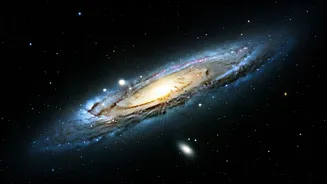
impossible. Launched as a successor to the Hubble Space Telescope, JWST boasts a larger mirror and advanced infrared capabilities, enabling it to peer deeper into space and time than ever before. Its ability to detect infrared light is crucial because it can penetrate the dust and gas clouds that obscure earlier objects. The JWST's unique vantage point has allowed astronomers to study the formation of the universe's first galaxies and to investigate the behavior of supermassive black holes, offering a wealth of new data that challenges existing cosmological models. The data collected by JWST is revolutionizing astrophysics, as scientists rethink theories about the creation and evolution of the universe.
Unveiling Black Holes
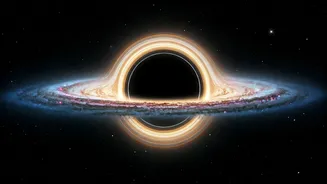
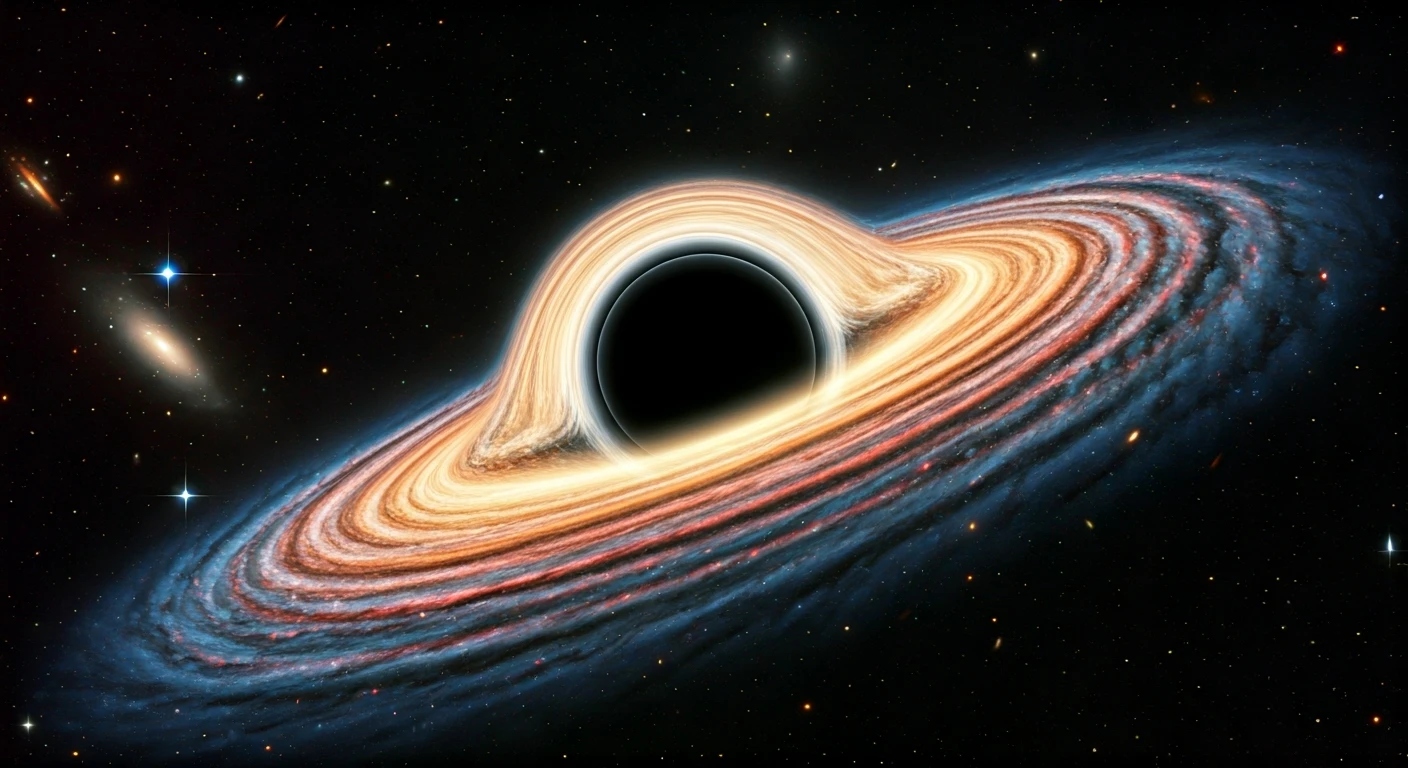
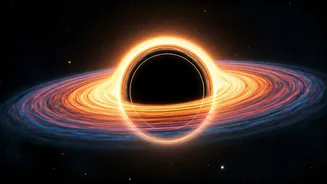
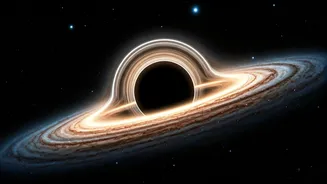
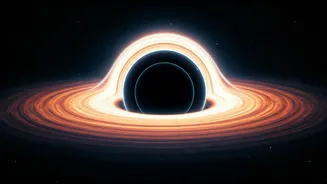
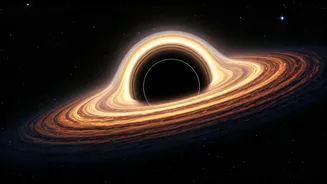
One of the primary focuses of the JWST's research has been the study of supermassive black holes, which reside at the centers of most galaxies, including our own Milky Way. The telescope’s capacity for infrared detection is especially important here, as it can see through the dust and gas surrounding these black holes, which often obscures them from visible light telescopes. JWST observations have allowed scientists to study how these supermassive black holes formed and evolved in the early universe, where they existed much earlier than previously anticipated. The observations have presented scientists with a challenge to current theories about their origin. Additionally, the JWST is investigating how these black holes influence the formation and evolution of galaxies, as they can have a significant effect on the surrounding environment through the powerful jets of radiation they emit. By examining these early black holes, researchers hope to better understand the fundamental processes that shaped the cosmos.
Early Universe Insights
The findings obtained by JWST are providing valuable insight into the very early stages of the universe, offering clues about the formation of the first galaxies and stars. These observations have allowed astronomers to analyze the chemical composition of early galaxies and the distribution of their dark matter content. The JWST has detected galaxies that existed only a few hundred million years after the Big Bang, when the universe was in its infancy. Studying these earliest galaxies helps us learn how the first stars and galaxies formed, how they clustered together, and the rate at which they produced the elements that make up everything around us today. This data is also aiding in the calibration of cosmological models and the refining of estimates for the age and expansion rate of the universe. Consequently, JWST is becoming a cornerstone for a deeper understanding of the universe's origins and its subsequent evolution.
Future Research Awaits
The work of the James Webb Space Telescope is far from over. The data collected by the telescope will continue to be analyzed for years to come, and the instrument will continue to provide new insights. Researchers are already developing further research projects to use JWST's capabilities for a better understanding of the universe. Future studies will explore the formation of planetary systems, the search for exoplanets, and the composition of distant objects. Further observations will also include the use of sophisticated spectroscopic techniques to analyze the light from distant galaxies and to determine the elemental composition of stars and interstellar environments. The information from JWST is expected to revolutionize our understanding of the cosmos, from the formation of galaxies to the potential for life beyond Earth, as it is constantly revealing new secrets that are reshaping our understanding of the universe.