
Console Evolution: A History
The history of gaming consoles is a fascinating narrative, commencing with the rudimentary systems of the past and progressing to the sophisticated platforms
of the modern era. Early consoles, like the Magnavox Odyssey, were simple devices. They utilized discrete components to create rudimentary graphics. The arrival of the Atari, and later the Nintendo Entertainment System (NES), fundamentally altered the industry. These systems introduced iconic games and gameplay mechanics that are still recognizable today. The subsequent eras brought about technological improvements, transforming gaming experiences with improved graphics, sound, and processing power. The introduction of 3D graphics in consoles like the PlayStation and Nintendo 64 marked another leap forward. The rise of online gaming, through platforms like Xbox Live and PlayStation Network, facilitated social experiences, enhancing the collaborative and competitive aspects of gaming, further reshaping the industry.
The Current Console Titans
Today's console market is dominated by three main players: Sony, Microsoft, and Nintendo. Sony's PlayStation series is renowned for its immersive single-player experiences and powerful hardware, delivering stunning visuals and a robust library of exclusive titles. The PlayStation 5, the latest iteration, continues this legacy with features like ultra-fast storage and ray tracing. Microsoft's Xbox, on the other hand, emphasizes its Game Pass service, which provides access to a vast library of games for a monthly subscription. The Xbox Series X is also known for its strong performance capabilities. Nintendo's Switch, a hybrid console, differentiates itself with its unique portable and home console design. This allows players to enjoy games both at home on their TV and on the go. The Switch caters to a wide audience with its family-friendly titles and innovative gameplay mechanics.
Features to Consider
When selecting a gaming console, several aspects require careful consideration. One important factor is the available game library. Consider the types of games you enjoy playing, and verify whether the console has a sufficient selection of titles that suit your interests. Graphics and performance capabilities play a crucial role in delivering a smooth and visually appealing gaming experience. Newer consoles often feature advanced processors, enhanced graphics cards, and faster storage solutions, which translates into enhanced performance, including quicker load times and stunning visuals. Online services are essential for multiplayer gaming, game downloads, and other online functions. Verify that the console provides robust online features, including a reliable network infrastructure and user-friendly interfaces. The price of the console, as well as the costs of games and accessories, also impacts your purchase decision. It's a wise strategy to determine your budget beforehand and take into account all of the associated expenses.
Console Accessories
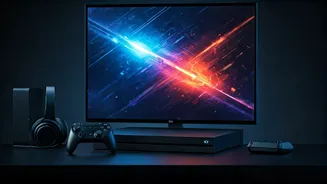
Accessories play an essential part in maximizing the gaming experience. Controllers are the primary method of interacting with games, and they come in many forms, from standard gamepads to specialized controllers designed for certain genres. Extra controllers are essential for multiplayer gaming sessions. Headsets are another significant accessory. They enable immersive audio experiences, allowing players to hear subtle audio cues and communicate with other players in online games. The right headset can greatly improve your gaming enjoyment. External storage devices are very helpful for expanding the console's storage capacity. Consoles sometimes have a limited amount of built-in storage. Additional storage enables you to install more games, downloadable content, and media files without having to constantly uninstall and reinstall them. Other accessories include racing wheels, flight sticks, and motion controllers that cater to different gaming preferences, enhancing the immersion and engagement for different types of gameplay.
Making Your Choice
Selecting the right gaming console relies on your individual needs and preferences. Start by pinpointing your primary gaming interests. Are you drawn to action-packed adventures, competitive multiplayer games, or family-friendly titles? This helps identify which console has the best selection of games you are interested in. Next, assess your budget. This consideration includes the cost of the console, the games you want to play, and any accessories you might require. Explore the exclusive titles available on each platform. Some consoles offer unique games that are only available on their system. Consider the graphics and performance capabilities. If you prefer high-fidelity graphics and smooth gameplay, you should prioritize consoles with cutting-edge hardware. Online features and services can also have a big influence. Determine whether you value online multiplayer gaming, game streaming services, or other online capabilities. By thoroughly examining these aspects, you can choose the console that offers the most satisfying and personalized gaming experience.