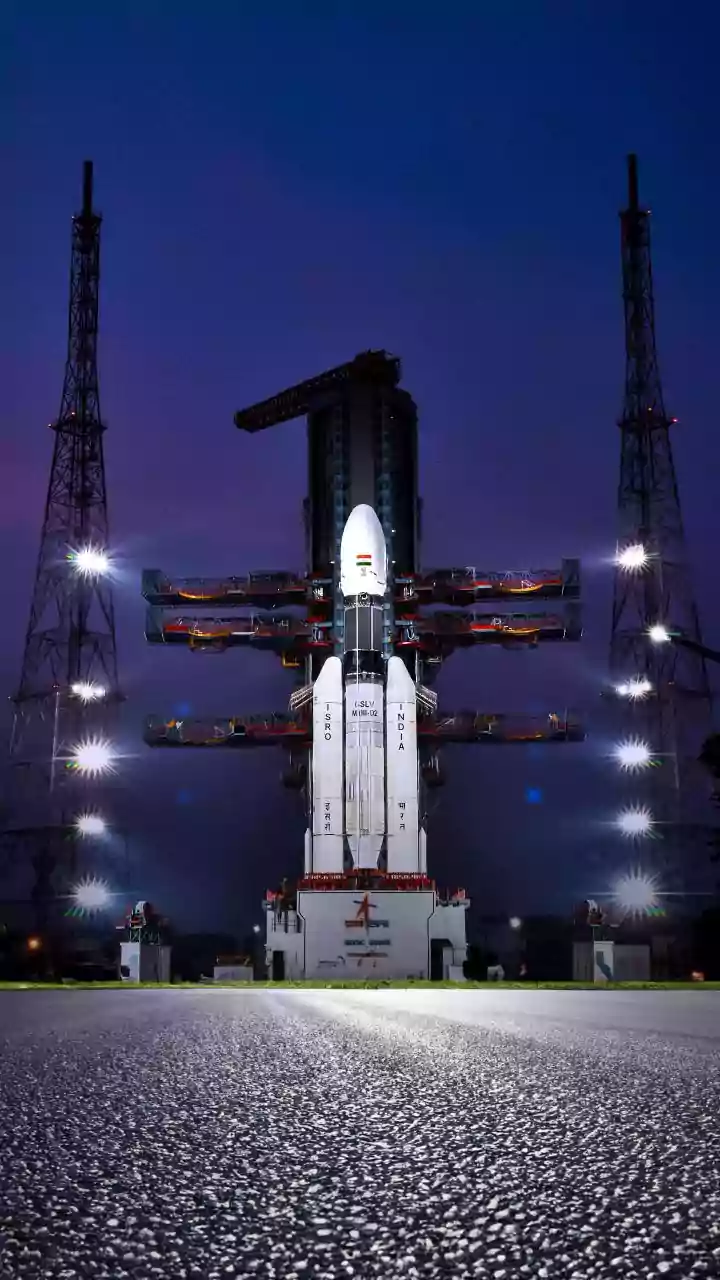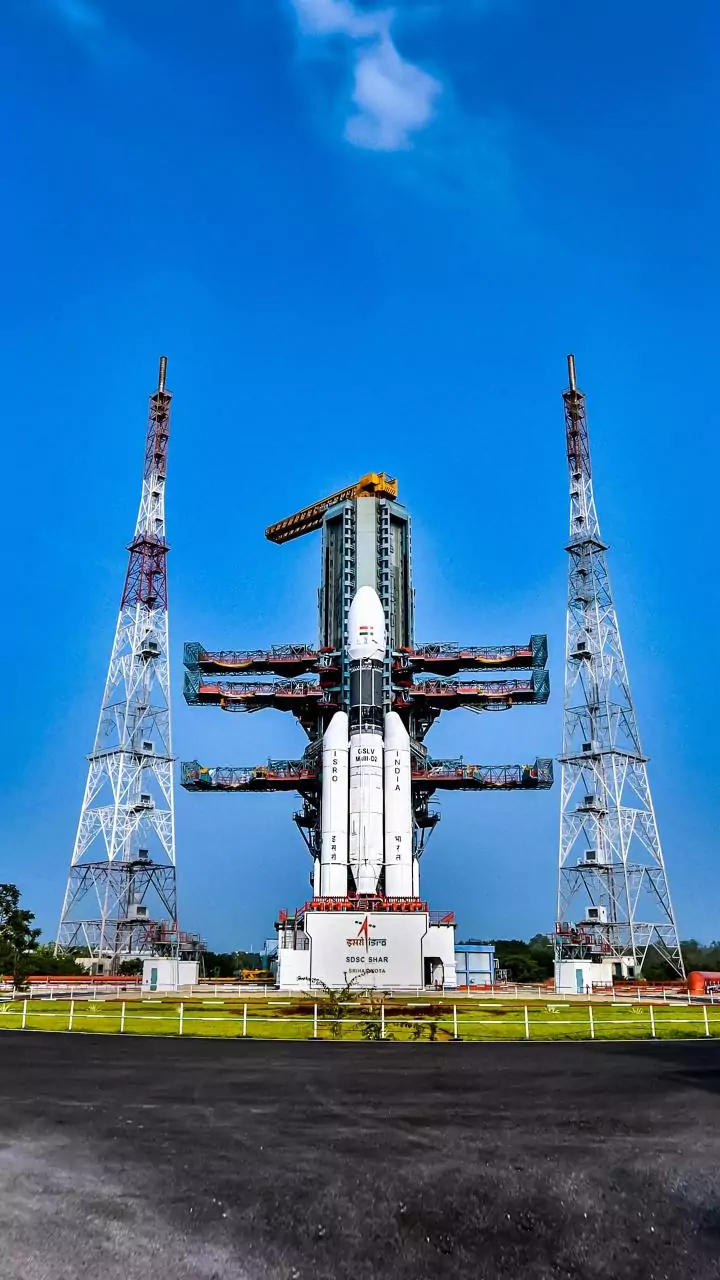








PSLV Mission Failure
The recent failure of the ISRO's PSLV mission represents a significant setback for India's space program. Details indicate the cause as a malfunction within
the third stage of the rocket. This marks the second time the PSLV, a workhorse for ISRO, has encountered such an issue. While specific details about the payload were not mentioned, the failure underscores the challenges involved in space launches. The incident prompts a thorough review to understand the root cause and implement corrective measures. This ensures the ongoing development and success of future missions. These efforts are crucial for maintaining momentum in India's ambitious space endeavors.
Third-Stage Glitch
The primary cause of the PSLV's failure has been identified as a glitch within its third stage. This stage is responsible for the final push, placing the payload into the intended orbit. When the third stage fails, the rocket is unable to deliver its cargo. This results in an off-course trajectory. The exact nature of the glitch is under investigation. This involves detailed analysis of telemetry data and component inspections. Determining the precise cause will enable ISRO engineers to make necessary design modifications or operational adjustments. This should help prevent future occurrences and maintain the reliability of the PSLV. Such challenges are not uncommon in space missions. They provide valuable learning opportunities and drive continual advancements in technology and expertise.
Impact and Implications
The PSLV failure has implications for ISRO and India's space program. It potentially delays planned satellite deployments. These satellites support various applications such as Earth observation, communication, and scientific research. Such delays can affect various sectors reliant on space-based services. The setback could also impact international partnerships and launch agreements. These are essential for expanding India's space capabilities. However, failures are a part of space exploration. It is crucial to view this incident as an opportunity to reinforce processes. This includes improved quality control, and rigorous testing protocols. The goal is to ensure the continued success and advancement of India's space program on the global stage.
ISRO's Response
Following the mission's failure, ISRO has initiated a thorough investigation. This investigation aims to pinpoint the exact cause of the third-stage glitch. Engineers and scientists are meticulously analyzing all available data. This includes telemetry readings, and examining rocket components. The goal is to fully understand the sequence of events. Based on the findings, ISRO will implement corrective measures. These may include design changes, enhancements to testing procedures, or modifications to launch protocols. The organization's commitment to continuous improvement and learning is critical. It reinforces its commitment to space exploration, ensuring the future success of its missions. ISRO's response demonstrates its dedication to maintaining the highest standards of safety and reliability in space operations.
Looking Ahead
Despite this setback, ISRO remains committed to its long-term space exploration goals. The organization has numerous missions in the pipeline. These include future PSLV launches, as well as the development of advanced rockets like the GSLV (Geosynchronous Satellite Launch Vehicle). ISRO's focus will now turn to conducting a detailed review. They'll also update launch preparations and strengthen existing engineering practices. This will help them advance India's space capabilities. This is also significant for future projects like the Gaganyaan human spaceflight mission and the Chandrayaan lunar exploration program. Learning from each mission, whether successful or not, is part of the space exploration process, enabling ISRO to pursue its vision of pushing the boundaries of space exploration.