
Drone Concerns Escalating
The utilization of drones has witnessed a significant surge, transforming diverse sectors, from delivery services to aerial photography. However, this
proliferation has also brought forth considerable challenges, particularly in security contexts. Unauthorized drone operations can pose significant risks, encompassing potential breaches of privacy, smuggling of prohibited items, and even facilitating terrorist activities. Law enforcement agencies worldwide are actively grappling with the task of effectively managing this technological advancement and mitigating associated risks. The Kerala Police's introduction of the Eagle Eye system is a direct response to these burgeoning concerns. The intention is not to impede the legitimate use of drones, but rather to establish regulations and safety protocols for the overall well-being of the public.
Introducing Eagle Eye
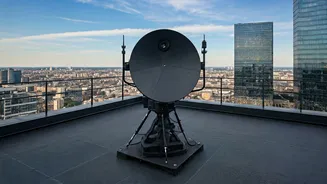
The 'Eagle Eye' system is a sophisticated anti-drone technology designed to detect, track, and potentially neutralize unauthorized drones. It is a comprehensive system, incorporating a range of sensors, including radar and radio frequency scanners. These components work together to identify drones operating within a designated area. When a drone is detected, the system will start tracking its location, and the operator can then take action as required. The Eagle Eye system is not just a reactive measure; it's a preemptive one, enabling the police to monitor the airspace proactively, and ensuring a safer environment for citizens. This proactive stance showcases the Kerala Police's dedication to employing cutting-edge technology for public protection.
System Functionality Detailed
The operational capabilities of the Eagle Eye system are extensive. Initially, the radar component scans the airspace to detect any aerial objects. Following detection, radio frequency scanners analyze the signals transmitted by the drone to determine its control source. The system can then pinpoint the drone's position, providing real-time data to law enforcement officers. Beyond tracking, the system offers options for countermeasure deployment. These may include jamming the drone's control signals, thereby preventing it from being further operated. The system's flexibility in managing drone-related threats demonstrates its effectiveness. Such features make Eagle Eye a crucial tool in maintaining security and ensuring compliance with drone regulations.
Impact on Public Safety
The implementation of the Eagle Eye system has considerable ramifications for public safety within Kerala. By proactively monitoring airspace and preventing unlawful drone operations, the police force can safeguard essential infrastructure, such as airports and government buildings, from potential threats. Furthermore, the system helps to curb illicit activities like the smuggling of contraband or the surveillance of private property. It protects the privacy and security of citizens, reducing the potential for misuse. The Eagle Eye system stands as a clear indicator of the Kerala Police's commitment to leveraging technological advancements to enhance public safety.
Future Implications Considered
The introduction of the Eagle Eye system is a significant stride in the Kerala Police's efforts to incorporate innovative technology. Considering the increasing prevalence of drones and their potential misuse, this system's capabilities make it a crucial component in maintaining public safety and order. It is anticipated that other law enforcement agencies will carefully monitor Kerala's experience with the system. They may potentially adopt similar strategies, thereby fortifying the national security framework. With drone technology advancing at a rapid rate, the need for robust anti-drone systems will continue to grow, making investments such as the Eagle Eye a key element of future security measures.