







The Centenarian Connection
Research into the lives of centenarians, individuals who reach the remarkable age of 100 or more, has uncovered fascinating insights into the factors contributing
to their exceptional lifespan. While genetics plays a role, studies highlight the significant influence of lifestyle and environmental factors. Specifically, a large cohort analysis revealed that children of centenarians, even those without a distinct genetic predisposition for extreme longevity, tend to exhibit healthier lifestyle patterns. Among these, dietary habits stand out as a powerful, controllable element. These individuals, many of whom are participants in the New England Centenarian Study, a comprehensive investigation into long-lived families, generally consume diets rich in beneficial foods and lower in detrimental ones. This pattern has been linked to reduced risks of major health issues such as stroke, dementia, type 2 diabetes, and cardiovascular disease, suggesting that adopting similar eating patterns could be a key strategy for promoting sustained health and potentially extending lifespan for a wider population.
Dietary Pillars of Longevity
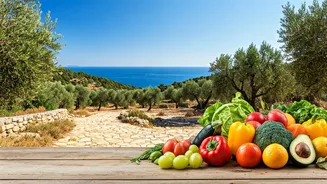
The offspring of centenarians consistently demonstrate a dietary pattern that favors nutrient-dense foods known for their health-promoting properties. Specifically, these individuals consume a greater quantity of fish, fruits, and vegetables compared to the general population. This increased intake of produce and fish is directly associated with better heart health, enhanced cognitive function, and improved metabolic regulation. Concurrently, they tend to limit their consumption of sugar and sodium. Reducing sugar intake is crucial for preventing metabolic disorders like diabetes and maintaining stable energy levels, while lower sodium consumption is vital for managing blood pressure and reducing the risk of cardiovascular complications. This balanced approach to eating, emphasizing whole foods and minimizing processed items high in sugar and salt, forms a cornerstone of their healthier aging process. It's not just about what they eat, but the overall quality and balance of their diet that contributes to their remarkable well-being and longevity.
Beyond Genetics: Environmental Impact
While genetic factors are estimated to account for approximately 50% of the variation in lifespan, excluding non-biological causes of death, environmental influences play an equally, if not more, significant role. For the children of centenarians, this means that inherited biological resilience is often complemented by a shared environment that fosters healthy habits. Their dietary choices are a prime example of these environmental influences. By adopting eating patterns rich in fish, fruits, and vegetables and low in sugar and sodium, they are actively supporting the optimal function of their longevity-related genes. Nutrition, being a controllable non-genetic factor, offers a powerful avenue for individuals to influence not only how long they live but also how healthily they age. This perspective underscores the importance of accessible and informed dietary choices in the pursuit of a longer, more robust life, moving beyond a purely genetic outlook.
Bridging Nutritional Gaps
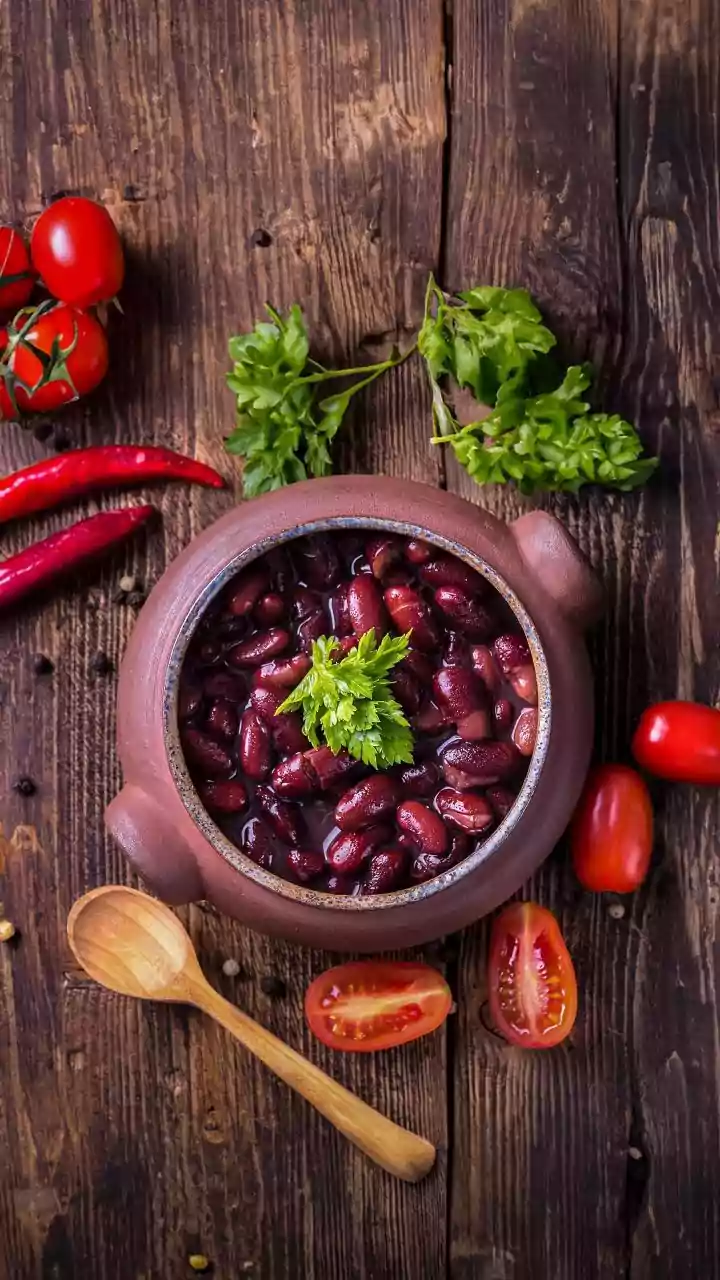
Despite the generally healthy eating patterns observed among centenarian offspring, the research highlights that even this group often falls short of recommended intake levels for certain crucial food categories, specifically whole grains and legumes such as beans, peas, and lentils. This observation suggests a broader challenge in achieving optimal nutrition across the population. Furthermore, the study revealed a significant correlation between education, income, and diet quality. Centenarian offspring with lower educational attainment showed a more pronounced nutritional gap compared to similarly educated individuals without long-lived parents. However, this disparity narrowed considerably among those with graduate degrees, indicating that higher socioeconomic status can help mitigate nutritional deficiencies. This underscores the need for targeted interventions to make nutritious foods, including whole grains and legumes, more accessible and affordable to individuals across all educational and socioeconomic backgrounds.
Enhancing Healthspan for All
The ultimate goal of this research is not merely to extend lifespan but to 'compress morbidity,' enabling individuals to live to very old ages in good health before experiencing a rapid decline. By identifying and understanding the lifestyle patterns, particularly dietary habits, that are associated with healthy aging in centenarian offspring, scientists aim to make longer, healthier lives achievable and affordable for a wider population, irrespective of their genetic makeup. The findings from the New England Centenarian Study provide valuable lessons on how specific dietary choices – prioritizing fruits, vegetables, and fish while moderating sugar and sodium – can contribute to better metabolic, cardiovascular, and cognitive health. Future efforts will focus on developing strategies to make these healthier foods more convenient and cost-effective, ensuring that everyone has the opportunity to benefit from these longevity-promoting dietary practices, whether they aspire to match a centenarian parent's lifespan or simply wish to live longer and healthier than previous generations.