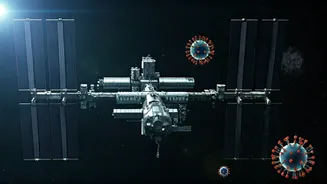







Viruses' Space Odyssey
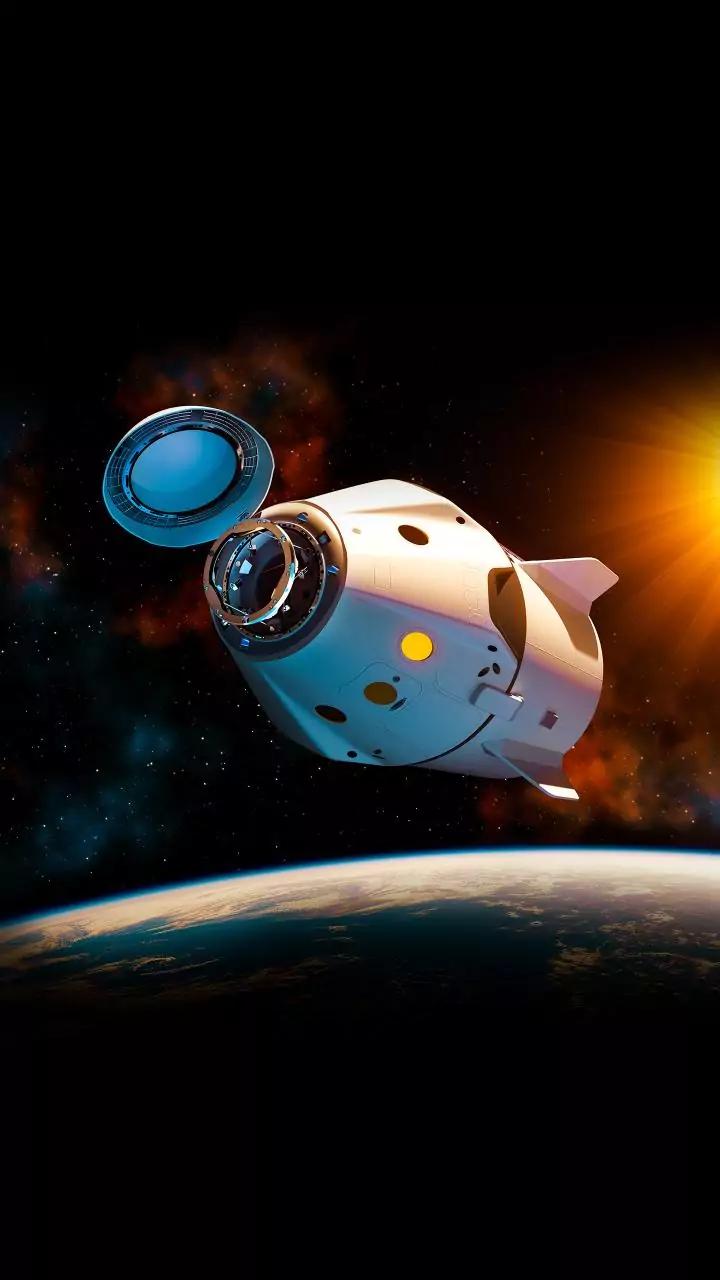
The International Space Station, orbiting our planet, has become an unlikely arena for studying viral evolution. Researchers, captivated by the adaptability
of viruses, began conducting experiments to observe how these microscopic entities behaved in the unique conditions of space. The absence of gravity, increased radiation exposure, and enclosed environment of the ISS were thought to possibly influence the behavior of viruses in unexpected ways. The findings from this research have provided valuable insights into how viruses can change and develop, and have challenged previous understandings of viral behavior in space and on Earth. These experiments gave scientists an opportunity to see firsthand how these microorganisms respond to the specific environments they're exposed to. For example, some viruses showed unexpected changes in their genetic makeup, which helped scientists learn more about viruses. The experiments have opened up new questions about how life adapts to harsh conditions.
Unusual Viral Adaptations
One of the key findings from the research conducted on the ISS was the observation of unusual viral adaptations. Viruses, as they were exposed to space conditions, underwent transformations that were not seen on Earth. These changes were reflected in their genetic makeup, affecting how viruses replicated and interacted with their hosts. Some viruses showed increased resilience to radiation, while others developed unique structures to cope with the absence of gravity. The viral adaptations seen in space were often distinct from what scientists have seen in laboratories on Earth, which underscored the importance of this unique environment. The findings suggest that extreme conditions, such as those found on the ISS, can lead to accelerated or unexpected viral evolution, which is opening up new avenues for understanding viral behavior. These insights could have implications for understanding how viruses might behave in various environments, even beyond our planet. The space-based research helps us to learn about how viruses respond to environmental stressors.
Implications for Earth
The research conducted on the International Space Station into viral evolution carries significant implications that reach far beyond the confines of space. Scientists believe that insights gleaned from studying viruses in space can have a profound impact on understanding and addressing viral threats here on Earth. The data gathered from the ISS could help scientists develop more effective antiviral treatments and vaccines. Understanding how viruses change under extreme conditions helps researchers predict how they may adapt in the future, including how they may overcome human immune responses. The findings from the space station could also enhance our readiness for viral outbreaks, by providing crucial information about the potential ways viruses can evolve and become more dangerous. The research also helps in learning about viruses found in challenging environments, not just in space. These research projects can boost the knowledge that informs global health efforts.
Future Research Directions
As the ISS research continues, new avenues for exploration have emerged. Scientists are focused on additional experiments to delve deeper into the mechanisms of viral adaptation and the roles played by environmental factors. Some researchers want to examine how different viruses behave under simulated Martian conditions or lunar conditions. Further investigation is aimed at identifying the specific genetic changes that occur during viral evolution in space, as this can provide more targeted therapeutic approaches. Moreover, researchers are looking at the possibility of long-term studies to observe how viruses evolve over several generations. This approach would allow them to observe how viruses adapt over a longer timeframe and potentially identify vulnerabilities that could be exploited in treatments. These future research directions could help scientists prepare for any new threats posed by viruses.