




Artemis 1 Paving the Way
The foundation for Artemis II was firmly established by the uncrewed Artemis 1 mission. This critical endeavor, which concluded on December 11, 2022, saw
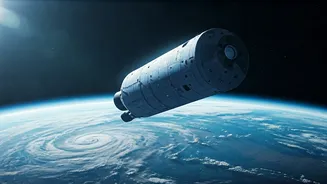
the Orion spacecraft traverse over 8,000 nautical miles at speeds exceeding 12,000 nautical miles per hour. During its 25.5-day journey, Orion set a record for uncrewed vehicle range and, crucially, allowed NASA to rigorously evaluate the effectiveness of its heat shield. This evaluation was paramount, providing essential data to ensure the safety of future crewed missions. The success of Artemis 1 demonstrated the robust capabilities of the Space Launch System (SLS) rocket and the Orion spacecraft, paving the way for the historic crewed flights that would follow.
Rocket and Spacecraft Integration
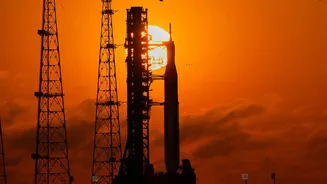
The monumental Artemis II mission began its physical assembly and preparation on January 16, 2026. At Kennedy Space Center, the colossal 322-foot-tall Space Launch System (SLS) Rocket and the Orion Spacecraft were brought together. Extensive final checks were meticulously performed on both the core stage and the booster engines, ensuring every component was operating at peak performance. This intricate integration process is a vital step before the combined vehicle embarks on its journey to Launch Pad 39B, signaling readiness for the ambitious April 1st mission. The sheer scale and complexity of this stage highlight the engineering marvels involved in launching humans back towards the Moon.
Media Preparations for Launch
In anticipation of the Artemis II rocket's rollout, media agencies converged at Kennedy Space Center on January 16th. Their primary objective was to meticulously set up a multitude of remote cameras. These sophisticated setups were strategically configured to capture every angle and detail of the most massive rocket ever built as it made its slow, deliberate journey toward the launch pad. The presence of numerous cameras underscores the global significance of this mission and the desire to document this historic moment in space exploration for audiences worldwide, ensuring breathtaking images of the rocket's progression.
Historic Ten-Day Journey
More than five decades after the last Apollo mission, NASA stood just 48 hours from returning humans to the lunar surface with Artemis II. This significant 10-day mission was slated to mark the inaugural crewed flight of the powerful Space Launch System (SLS) rocket and the sophisticated Orion spacecraft. Carrying four pioneering astronauts, the mission's objective was to journey around the Moon. This entire endeavor built upon the groundwork laid by the uncrewed Artemis 1 in 2022, encompassing everything from survival training for the crews to the complex integration of hardware in 2026, all leading to this pivotal launch.
Artemis II at the Pad
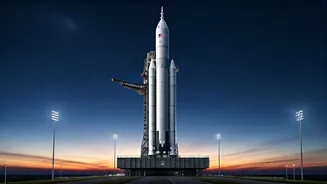
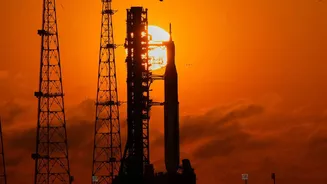
Following its final rollout on March 20th, the Artemis II mission achieved a critical milestone: its SLS rocket and Orion spacecraft were positioned at the launch pad at Kennedy Space Center. Having completed all necessary ground tests, the colossal rocket was fully fueled, ready for its lunar voyage. The fuel loading process is a complex and crucial operation, ensuring the immense power needed for the journey to the Moon is available at the precise moment of liftoff. The sight of the rocket standing tall at the launch pad, prepared for its historic flight, signifies the culmination of years of dedicated work and planning.
Crew Safety Gear
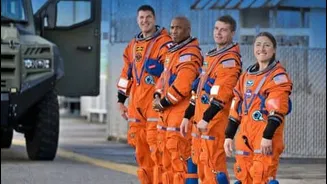
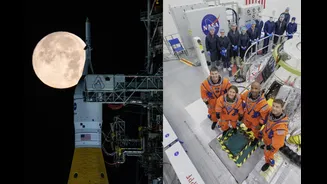
The Artemis II crew members underwent rigorous training while utilizing advanced Orion mock-up environments. They were seen wearing bright orange Outer Space Contingency Suits (OCSS). These specialized suits are engineered to provide essential protection to the astronauts, maintaining both pressure and a stable oxygen supply throughout the demanding phases of launch and re-entry. This critical life-support system is indispensable for ensuring the crew's safety during their ten-day flight to and around the Moon, representing the pinnacle of astronaut protection technology.
Prime and Backup Crews
On January 17th, the Artemis II mission united its prime and backup astronaut crews for a significant group photograph. The prime crew, consisting of Wiseman, Glover, Hansen, and Koch, stood alongside their backups, Andre Douglas and Jenni Gibbons. This collaborative team engaged in extensive reviews of mission procedures. This thorough preparation ensured that both the primary astronauts and their support crew were fully trained and ready ahead of their arrival at the Cape for the mission's commencement. The synergy between these two groups is vital for mission success and contingency planning.
Water Survival Training
Commander Reid Wiseman engaged in intensive water survival training throughout 2024 at NASA’s Neutral Buoyancy Laboratory. This specialized training is specifically designed to prepare astronauts for the high-speed re-entry of the Orion spacecraft into Earth's atmosphere and the subsequent splashdown in the ocean. A key focus is learning how to effectively stabilize oneself in a raft after exiting the vehicle in potentially challenging conditions. This vital preparation ensures the crew's safety and swift recovery upon mission completion.
SLS First Ignition
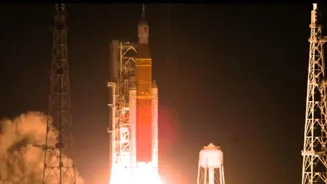
A pivotal moment in NASA's lunar ambitions occurred on November 16, 2022, at 1:49 AM EST. On Launch Pad 39B, NASA successfully executed the first-ever ignition of its Space Launch System (SLS) Rocket alongside the Orion spacecraft. This uncrewed test mission was instrumental in demonstrating the capability of the most powerful rocket ever built to propel the Orion capsule on its trajectory towards the Moon. The successful ignition and sustained burn validated the rocket's performance and marked a significant step forward in the Artemis program's progression towards crewed lunar missions.