







A Deadly Prognosis
Historically, a diagnosis of diabetes was a bleak prospect, effectively a death sentence. Before significant advancements in medical understanding and treatment,
the condition was relentless. Its effects progressed rapidly, leading to fatal consequences with little hope for survival. The medical community struggled to grasp its causes, and this lack of understanding meant there was no real chance for effective intervention, which left those affected facing a grim reality. The lack of knowledge and resources limited any chance of managing the condition, solidifying its reputation as a terminal illness.
Defining Diabetes
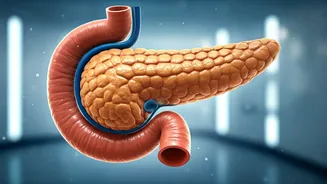
Diabetes is characterized by the body's inability to regulate blood glucose levels properly. This breakdown leads to either insufficient insulin production or the cells' resistance to insulin's effects. Type 1 diabetes typically emerges when the immune system attacks and destroys insulin-producing cells in the pancreas, whereas in Type 2 diabetes, the body either doesn't make enough insulin or the cells become resistant to its effects, frequently associated with lifestyle factors like diet and lack of physical activity. Both types cause high blood sugar levels (hyperglycemia), which over time can lead to serious health complications like heart disease, kidney damage, and nerve damage. The classification into types helps to guide diagnosis, treatment, and ongoing management, each demanding specific approaches to keep blood sugar levels within healthy ranges and reduce the risk of further health complications.
The Current Landscape
Today, diabetes is a manageable condition, not a death sentence, although it still poses significant challenges. The scientific and medical advancements have vastly improved patient outcomes. Treatments now include insulin injections or pumps, oral medications to manage blood sugar, and lifestyle modifications. Regular monitoring of blood glucose, a balanced diet, and consistent physical activity play crucial roles in controlling the disease. Technology, like continuous glucose monitors (CGMs), has further enhanced the ability to monitor and manage the disease. Despite these advances, diabetes remains a leading cause of death globally, underscoring the ongoing need for continued research, more effective treatments, and better prevention strategies. Early detection and proactive management are critical in minimizing complications and improving the quality of life for individuals with diabetes.
The First Patient's Story
The history of diabetes treatment is marked by pivotal moments, including the treatment of the first patient. The specifics surrounding the first patient and the treatment provided highlight early struggles and triumphs in managing the condition. This initial success revealed the potential of medical interventions and sparked further investigation. Stories from these early stages are crucial in understanding how we got to where we are now. Although the exact details of the first patient's life are hard to trace, the impact of the treatment was life-changing. It was a beacon of hope in a dark period. These early treatments, however basic, served as a crucial step towards the advanced treatments we have today, showing that even simple interventions could have profound impacts.
The Nobel Controversy
The Nobel Prize associated with the discovery of insulin for diabetes treatment has a controversial history. The recognition of the discovery with the Nobel Prize was a pivotal moment in medical science, but the allocation of the award was, at the time, surrounded by debate. The specific arguments and details of the Nobel Prize award illuminate the complex nature of scientific breakthroughs and the political and personal issues involved. The debate over who should be recognized is not unique. It underscores that such events are not always clear-cut. This situation highlighted questions about acknowledging the contributions of all those involved and the complexities in scientific discovery.