





Orbital AI Ambitions
Elon Musk has been a vocal proponent of establishing artificial intelligence data centers in the vacuum of space, often presenting these futuristic projects
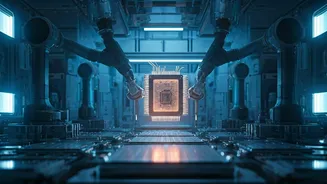
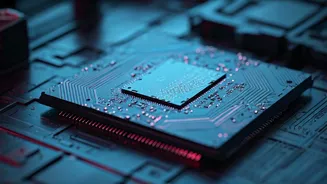
as near-certainties. He has championed this concept, notably at the World Economic Forum, where he described it as an obvious and essential step. Following this, a significant development occurred with the announcement of a merger between SpaceX and his AI firm, xAI. Musk articulated that scaling AI capabilities necessitates building its foundational infrastructure in space. To support these celestial computing aspirations, a specialized TeraFab chip factory has been established. This facility is dedicated to producing chipsets engineered to withstand the high-ion energy and radiation prevalent in space, ensuring operational resilience for advanced machinery beyond Earth's atmosphere.
IPO Filing's Cautious Disclosure
While public enthusiasm is high, SpaceX's own S-1 filing, a mandatory document for companies seeking to go public, presents a far more reserved outlook. This official filing quietly informs potential investors that the ambitious plans for orbital AI data centers and the establishment of human settlements on the moon and Mars are fraught with considerable technical complexity. The document explicitly states that these ventures involve unproven technologies and that their commercial viability is not guaranteed. Furthermore, the filing highlights the inherent dangers of operating any space-based AI infrastructure within the 'harsh and unpredictable environment of space.' This exposure significantly increases the risk of equipment malfunction or outright failure, a stark contrast to the confident narrative often portrayed publicly.
Starship's Crucial Role
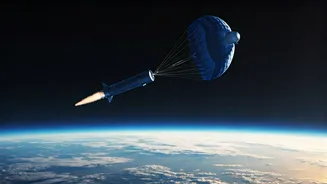
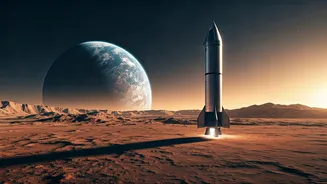
A cornerstone of SpaceX's future growth strategy is its next-generation reusable rocket, Starship. The IPO filing underscores that any setbacks or delays in Starship's development directly imperil SpaceX's ability to realize its expansive, space-based ambitions. Given Starship's history of multiple delays and testing failures, this caveat is far from minor. Although risk disclosures are a standard legal requirement for IPO filings, designed to enumerate all potential pitfalls, the language used regarding these cutting-edge technologies is notably subdued. This cautious fine print stands in striking contrast to the ebullient public statements made by Elon Musk about the very same innovations he uses to generate excitement for the upcoming IPO.