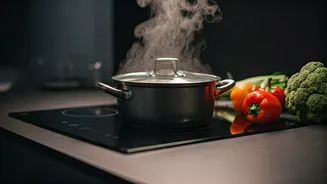








Consolidate Cooking Times
One of the primary culprits behind excessive fuel usage is fragmented cooking, where meals are prepared in numerous small bursts throughout the day. A
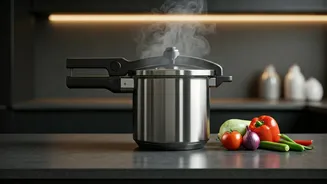
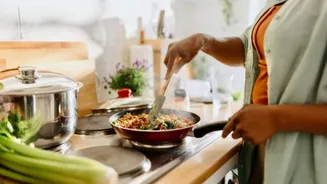
far more efficient strategy involves consolidating culinary activities into designated, planned periods. For home cooks, this might mean preparing multiple components for different meals simultaneously, perhaps chopping vegetables for a stir-fry and a curry at the same time. In a professional restaurant setting, this translates to structured preparation cycles and batch cooking, where large quantities of specific ingredients or base sauces are prepared in one go. The outcome of this approach is a kitchen that expends energy with deliberate intention, rather than a constant, often wasteful, operational hum. By grouping cooking tasks, you significantly reduce the number of times burners need to be ignited and heated, leading to substantial LPG savings.
Rethink Milk Boiling
For generations, boiling milk has been an ingrained ritual in Indian households, driven by a historical need to ensure its safety. However, modern advancements have rendered this step largely unnecessary. Technologies like Ultra High Temperature (UHT) processing subject milk to extreme heat, far exceeding what can be achieved at home, and then it's sealed in sterile, airtight packaging, such as Tetra Pak cartons. This process guarantees the milk's safety and longevity until it's opened, effectively fulfilling the original purpose of boiling before it even reaches your kitchen. Continuing to boil UHT milk is therefore a habit rooted in the past, not a necessity today. Embracing UHT milk offers a simple, everyday change that eliminates a recurring cooking cycle, leading to considerable LPG savings over time without any compromise on health or safety standards.
Choose Ready-to-Use Ingredients
A significant portion of fuel expenditure in kitchens stems not from the final cooking phase but from preliminary preparation steps that can often be bypassed. The market now offers a diverse array of ingredients in convenient, ready-to-use formats, designed to be incorporated directly into dishes. This includes items like pre-made soups, tomato bases, and purees. For instance, at home, you can now add milk directly to your tea or coffee without prior boiling, or utilize ready-made tomato puree without the need for lengthy reduction. In restaurants, this translates to faster dish assembly, greater consistency in flavour and texture, and a reduced need for repeated use of cooking equipment. The dish itself remains the same, but the process is streamlined by eliminating redundant steps that no longer add substantial value to the final product.
Intentional Flame Usage
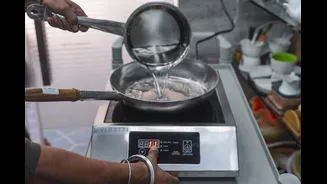
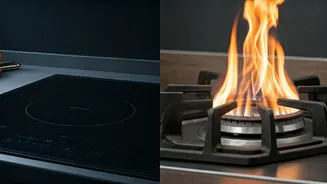
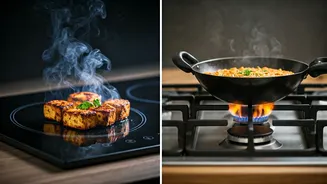
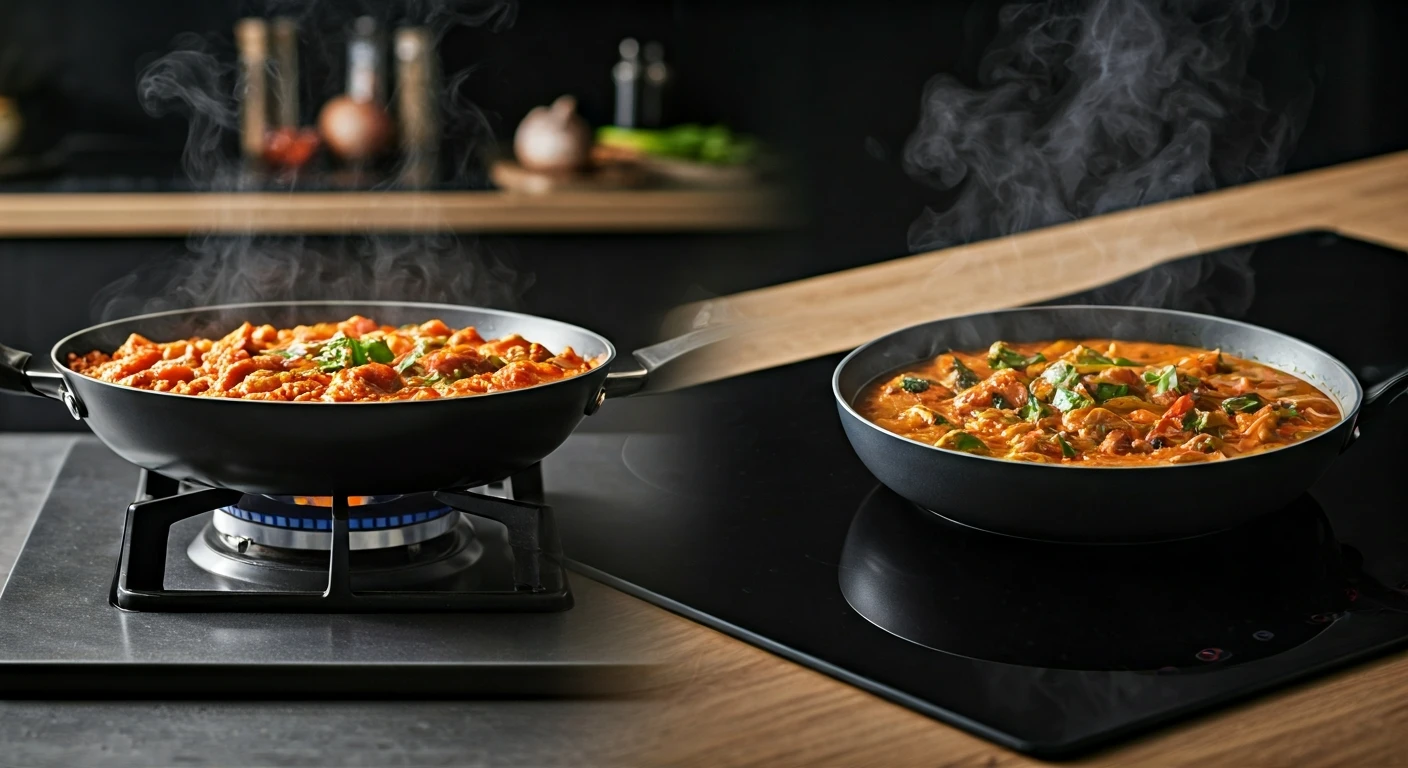
A common yet often overlooked source of fuel wastage occurs when kitchen burners are left unattended between cooking tasks or operated at an intensity far greater than required for the specific culinary action. This creates a persistent, subtle drain on LPG reserves that accumulates over time. Practicing more mindful flame management is crucial. This involves consciously switching off burners when they are not actively in use, precisely adjusting heat levels according to the immediate need of the dish or ingredient, and ensuring that the size of the cooking vessel is appropriately matched to the burner it sits upon. While these might seem like minor adjustments individually, their consistent application can lead to remarkably noticeable improvements in overall fuel efficiency, making a tangible difference in LPG consumption.
Minimize Food Waste
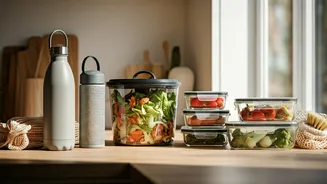
The issue of food waste extends beyond its direct financial implications; it is intrinsically linked to energy consumption within the kitchen. When food is over-prepared or spoilage occurs, it frequently necessitates reheating or re-cooking processes, thereby increasing the demand for LPG. Consequently, a reduction in food waste directly translates to fewer redundant cooking cycles and, by extension, a decrease in overall energy usage. Cultivating a more mindful approach to purchasing, storing, and preparing food minimizes the likelihood of waste, thereby conserving precious fuel resources. This interconnectedness highlights that efficient kitchens are not just about cooking skillfully but also about managing resources wisely, including the prevention of unnecessary food spoilage.
Cultivate Energy Awareness
Ultimately, achieving significant fuel savings hinges on cultivating a heightened awareness of everyday energy consumption patterns. Many of the most impactful opportunities to conserve LPG are embedded within small, daily decisions. These include consciously avoiding unnecessary boiling of milk or water, opting for convenient ready-to-use ingredients whenever feasible, and diligently turning off burners when they are not actively contributing to the cooking process. When these mindful habits are adopted and practiced consistently, they converge to create substantial cumulative savings, offering considerable benefits for both individual households and commercial establishments alike. This shift towards conscious energy use transforms routine kitchen activities into opportunities for resource conservation.