




India's Mythical Saraswati
The Saraswati River is a name deeply woven into the fabric of Indian ancient texts, particularly the Vedas, where it is described as a once-mighty visible
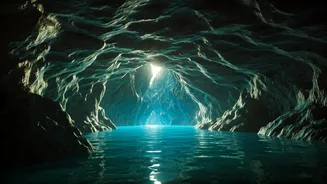
river. According to historical and mythological accounts, this significant waterway mysteriously vanished from the surface, its course believed to have been altered by dramatic geological shifts and considerable changes in climate over millennia. While its visible flow ceased, many scientific explorations and scholarly theories suggest that the Saraswati River endures today as a series of underground water channels and aquifers, primarily flowing beneath the northwestern regions of India. The enduring enigma of its disappearance continues to captivate both scientific researchers investigating its hidden path and spiritual devotees who hold it in high reverence, connecting the past to the present through its legendary presence.
Philippines' Puerto Princesa
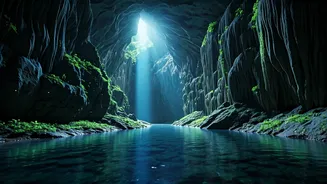
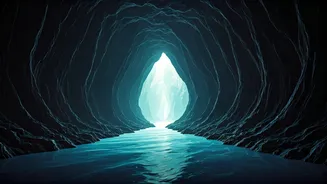
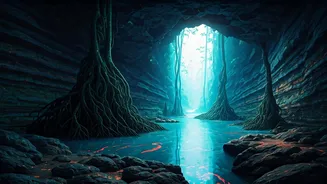
Recognized globally as a UNESCO World Heritage Site, the Puerto Princesa River in the Philippines stands out as one of the planet's most extensive navigable underground rivers. This natural wonder snakes its way through an elaborate system of limestone caves, extending for over 8 kilometers before eventually reaching the open sea. Navigating its shadowy depths offers an extraordinary experience, with visitors encountering breathtaking rock formations sculpted over eons, a unique and fragile ecosystem adapted to perpetual darkness, and a series of dimly lit passages that contribute to its allure. Its remarkable geological features and exceptional biodiversity have cemented its status as a significant natural attraction and a marvel of the subterranean world, drawing adventurers and nature enthusiasts alike to witness its splendor.
Mexico's Río Secreto
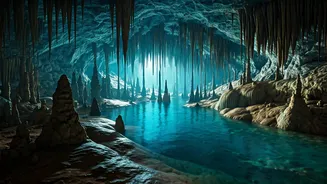
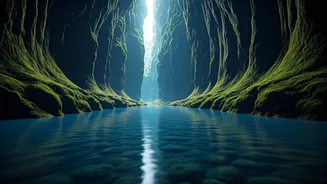
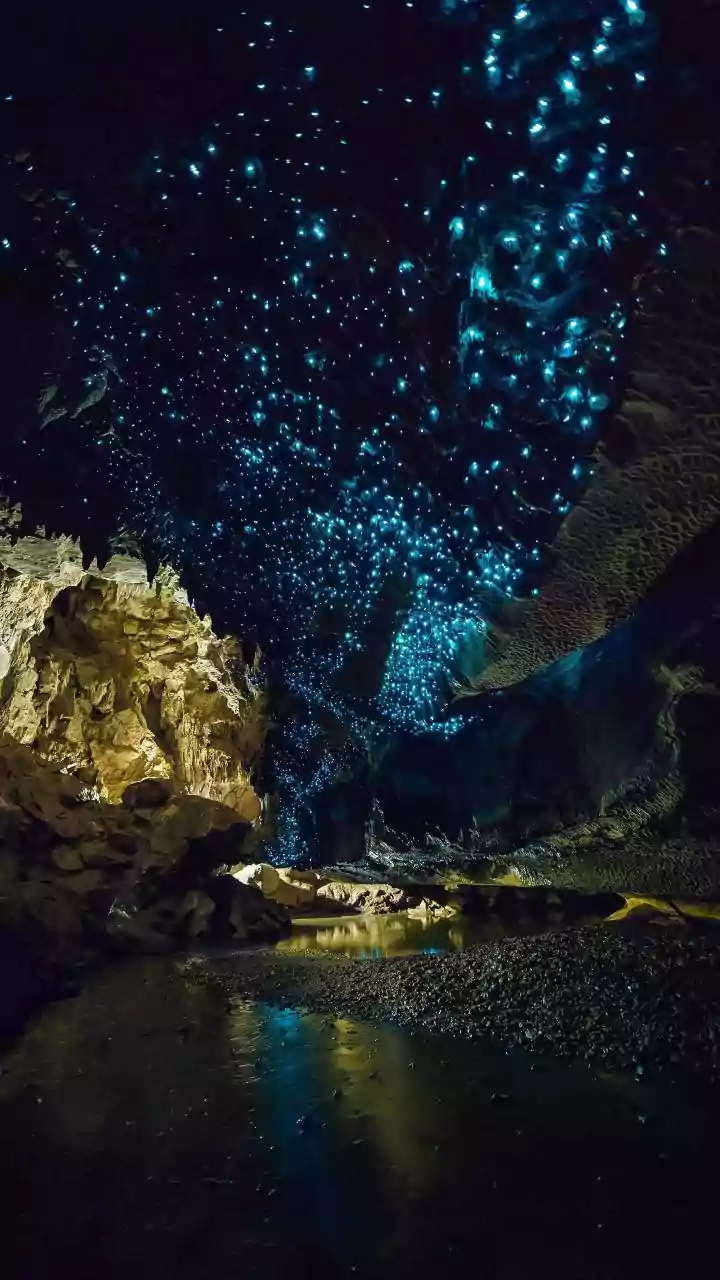
Nestled within the vibrant landscape of Mexico's Yucatan Peninsula lies Río Secreto, a remarkable component of an extensive network of subterranean rivers intricately formed within a vast cave system composed of limestone. The waters here are exceptionally clear, creating an almost ethereal environment as they flow beneath a canopy of impressive stalactites and a floor adorned with stalagmites. This journey through its crystal-clear channels offers an otherworldly perspective on natural beauty and geological artistry. Beyond its aesthetic appeal, the Río Secreto system plays a crucial role in supporting a delicate and often overlooked subterranean biodiversity, showcasing the resilience of life in extreme conditions and highlighting the ecological importance of these hidden aquatic environments.
USA's Elusive Lost River
True to its fitting moniker, the Lost River in Indiana, United States, exemplifies the unpredictable nature of subterranean watercourses. Along its journey, this river repeatedly disappears from view, plunging underground into a complex karst landscape characterized by sinkholes and underground passages. It then re-emerges miles away from where it vanished, making it a focal point for extensive hydrological research and study within the United States. The river's erratic and often enigmatic course serves as a compelling illustration of the dynamic and ever-changing processes that govern underground water systems, demonstrating how water shapes the landscape in ways that are not always readily apparent to the casual observer.
France's Labouiche River
Heralded as potentially Europe's longest navigable underground river, the Labouiche River navigates an immense and intricate cave system located in the southern part of France. This hidden waterway provides a unique opportunity for exploration, allowing visitors to journey through parts of its course aboard boats. During these excursions, participants can marvel at the spectacular rock formations, a testament to millions of years of geological activity and water erosion. Guided tours also offer insights into the profound geological processes that have sculpted this remarkable underground river and its surrounding cave environment over vast stretches of time, offering a tangible connection to Earth's ancient history.