
Dispelling Common Myths
Many long-held beliefs cloud the perception of senior living in India. One pervasive myth suggests that elderly individuals are a burden, requiring constant
care and unable to contribute meaningfully to society. However, this is far from the truth. In reality, many seniors possess a wealth of experience, wisdom, and skills, capable of enriching their communities. Another misconception is that community living is a sign of abandonment by families. The truth is often quite the opposite; it's a proactive choice for enhanced independence, social engagement, and access to necessary support, allowing for more quality interactions with family members. Furthermore, it is not always true that senior living communities are only for those with significant financial resources. A variety of options exist, catering to diverse budgets and needs, making them accessible to a wider demographic.
The Realities of Aging
The realities of aging in India are multifaceted, encompassing various challenges and opportunities. One significant challenge is the changing family structure. With the rise of nuclear families and migration for work, many seniors find themselves living alone or with limited familial support. This can lead to feelings of isolation and a decline in social interaction. Healthcare access is another critical aspect. While the healthcare infrastructure in India is improving, access to quality and affordable healthcare remains a concern for many elderly individuals. The financial implications of aging also present challenges, particularly for those without adequate retirement savings or access to social security benefits. However, amidst these challenges are opportunities, such as the increasing awareness and acceptance of senior living communities and the growing availability of age-friendly services and products. The government and NGOs have also initiated various programs to support the elderly.
Community Living Trends
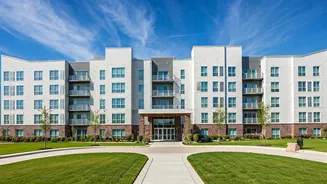
Community living is becoming increasingly popular among India's seniors, representing a significant shift in how they choose to spend their golden years. This trend is driven by several factors, including the desire for independence, social interaction, and access to specialized care and amenities. These communities offer seniors a supportive environment, reducing feelings of loneliness and isolation. They also provide opportunities for socialization, with organized activities, shared meals, and recreational facilities fostering a sense of belonging. The availability of on-site medical care and support services is another key advantage, providing peace of mind and ensuring access to immediate assistance when needed. Moreover, community living enables seniors to remain active and engaged, pursuing their interests and hobbies while leading fulfilling lives. The growth in this sector highlights a changing perception towards old age and underscores the increasing emphasis on well-being and a better quality of life for the elderly population.
Purposeful Ageing: Future
The future of purposeful aging in India emphasizes the importance of active engagement, continued learning, and contributing to society. It's about empowering seniors to remain active, involved, and independent for as long as possible. The concept encourages a proactive approach to well-being, focusing on physical, mental, and social health. This includes promoting healthy lifestyles, providing opportunities for lifelong learning, and creating avenues for seniors to give back to their communities. Volunteer work, mentorship programs, and involvement in social causes enable seniors to use their skills and experience to benefit others, fostering a sense of purpose and fulfillment. Technology also plays a vital role, providing tools and resources that support independent living and enhance communication. The key is to shift the narrative around aging, embracing the wisdom, experience, and value that seniors bring to society, thereby creating a more inclusive and supportive environment.