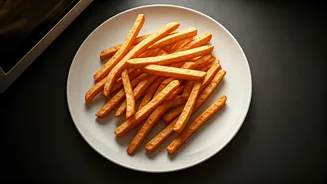







The Health Fry Dilemma
Fried foods, especially popular items like French fries, are a culinary delight for many, but their high oil content often raises health alarms. Concerns
about weight gain and elevated blood pressure are common, leading to a demand for reduced-fat alternatives. The challenge for food manufacturers lies in creating products that satisfy consumer cravings for taste and texture while offering a healthier profile. This quest for a guilt-free fried experience is what drives innovative research in food science, aiming to balance indulgence with well-being. The goal is to make healthier choices more accessible without compromising the sensory pleasure that makes these foods so appealing in the first place, bridging the gap between desire and dietary considerations.
Microwave Frying Innovation
Researchers at the University of Illinois Urbana-Champaign have explored an exciting new approach called microwave frying, specifically targeting French fries. Their findings indicate that a hybrid method, integrating microwave heating with conventional frying, can dramatically cut down on oil absorption while ensuring the fries retain their desirable crispiness. This dual-action technique not only reduces the fat content but also appears to shorten the overall cooking duration. The principal investigator, Pawan Singh Takhar, a professor of food engineering, highlights that consumers often prioritize taste and texture, even when aware of health implications. His team's research is geared towards achieving lower fat levels without noticeably altering the beloved flavor and mouthfeel of fried foods.
Understanding Oil Absorption
A key obstacle in achieving healthier fried foods is preventing excessive oil from permeating the food during and after the cooking process. Inside foods like potatoes, pores initially contain water. As heating commences, this water evaporates, creating voids. When negative pressure arises, it acts like a vacuum, drawing oil into these empty spaces, much like sucking liquid through a straw. Scientists estimate that approximately 90% of conventional frying occurs under conditions that promote this oil absorption. Therefore, a primary strategy to limit fat intake is to minimize the time spent under these negative pressure conditions and, conversely, extend periods of positive pressure, which helps repel oil from entering the food's structure.
Microwaves' Pressure Play
Microwave heating operates differently from conventional methods; it penetrates the food and heats from the inside out by agitating water molecules. This internal heating generates vapor, increasing internal pressure. This heightened pressure helps to counteract the negative pressure that typically draws oil into the food during frying. Essentially, the higher internal pressure created by microwaves acts as a barrier, pushing against oil infiltration. This distinct heating mechanism offers a significant advantage in controlling the amount of oil absorbed by foods like French fries, contributing to a healthier final product while maintaining structural integrity.
The Hybrid Frying Method
While microwave heating alone can lead to sogginess, conventional frying is crucial for achieving the desired crispiness. The innovative solution proposed by the researchers is a combined approach. By integrating microwave generators into existing commercial frying equipment, food manufacturers can leverage the benefits of both methods. Conventional heating ensures the fries remain delightfully crispy, while the microwave component effectively reduces oil absorption. This synergistic technique promises a practical and economically viable path towards producing healthier fried foods on a large scale, potentially transforming consumer choices and dietary habits.