





The Silent Threat
For forty years, I've witnessed hypertension's insidious destruction firsthand, long before it leads to critical events. This disease rarely announces
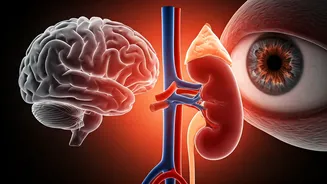
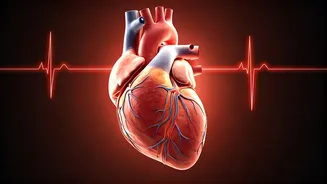
itself dramatically; it's a master of disguise. The consequences are stark: hardened arteries, enlarged hearts, failing valves, and ruptured vessels. My aim is to illuminate the subtle, easily missed indicators that your blood pressure is escalating beyond safe limits, and how these signs might manifest differently in men and women. Elevated blood pressure places relentless strain on the entire cardiovascular network. The heart must pump with increased force against higher resistance, leading to thickening and reduced flexibility of the left ventricle. Simultaneously, arteries endure constant pressure, causing them to stiffen, become prone to plaque buildup, and lose their capacity to absorb the heart's forceful output. This gradual, unnoticed remodeling over years culminates in heart failure, coronary artery disease, stroke, and kidney damage. The body's adaptive mechanisms often mask these early warnings, making awareness paramount.
Overlooked Early Warnings
Many individuals dismiss persistent morning headaches, often described as a dull, constricting band around the head, as mere dehydration or sleep deprivation. However, these can be an early indicator of elevated blood pressure levels that persist through the night and into the early morning. Research has shown that the morning surge in blood pressure is a significant predictor of silent cerebrovascular issues and cardiovascular events, particularly in older individuals with hypertension. Furthermore, experiencing excessive fatigue and a noticeable decline in the ability to tolerate physical activity, where once-easy tasks now leave you breathless or exhausted, is not a sign of laziness. It signifies that your heart's reserve capacity is diminishing. This is directly linked to left ventricular hypertrophy, a condition where the heart muscle thickens due to sustained high blood pressure, and is a recognized independent risk factor for heart failure and sudden cardiac death. Visible signs like strong, persistent pulsations in the neck or a noticeable pounding sensation can signal increased pulse pressure or arterial stiffness, both critical red flags for vascular disease. Studies indicate that aortic stiffness, quantified by pulse wave velocity, independently predicts mortality from all causes and cardiovascular issues in hypertensive patients, even when accounting for conventional risk factors. Subtle cognitive changes, such as difficulty concentrating, slowed thinking, or a general feeling of mental fogginess, may point to damage in the brain's small blood vessels caused by chronic hypertension. These changes often precede more severe events like strokes and are frequently misattributed to aging or stress. In fact, hypertension is considered one of the most significant modifiable risk factors for late-life cognitive decline and dementia. While minor nosebleeds can occur occasionally, recurrent episodes or spontaneous bleeding in the eye (subconjunctival hemorrhages) without any injury warrant a blood pressure check. Likewise, frequently waking up to urinate (nocturia) is commonly thought to be a bladder or prostate issue, but it can also indicate compromised kidney function due to high blood pressure, as hypertension is a leading cause of chronic kidney disease, and nocturnal pressure can affect kidney function before other signs appear. Lastly, experiencing shortness of breath when lying down flat, or needing to use extra pillows to breathe comfortably (orthopnea), suggests early stages of heart failure, a serious consequence of untreated hypertension.
Gender-Specific Indicators
Women typically develop hypertension at a later stage than men, often post-menopause when protective hormonal effects diminish. Their symptoms tend to be more generalized and less specific, including fatigue, anxiety, sleep disturbances, and palpitations. Early on, women are more prone to developing diastolic dysfunction, characterized by a stiff heart, rather than overt systolic failure. The vagueness of these symptoms frequently leads to them being attributed to stress or hormonal fluctuations, potentially delaying diagnosis. Research indicates that blood pressure trends diverge significantly after midlife, with women experiencing more rapid increases after menopause and facing a higher relative risk of stroke and heart failure with preserved ejection fraction compared to men. Men, on the other hand, are more likely to develop hypertension earlier and present with classic complications like coronary artery disease and heart attacks. They often experience target-organ damage that becomes apparent sooner because it manifests as chest pain or acute coronary syndromes. However, men might also overlook subtle signs, such as early breathlessness during exertion, dismissing them as a result of being out of shape. Understanding these gender-specific nuances is crucial for timely diagnosis and intervention for both sexes.
Taking Action Now
Regular blood pressure monitoring is essential; using a home device to take readings twice daily for a week provides a more accurate picture than a single measurement at a clinic. Document these readings and share them with your doctor. Clinical trials have definitively shown that more intensive blood pressure control, aiming for systolic levels below 120 mmHg, significantly lowers cardiovascular events and overall mortality compared to standard targets. It's vital not to dismiss vague symptoms. Persistent morning headaches, the onset of new fatigue, frequent nighttime urination, or a noticeable decline in cognitive sharpness all warrant a blood pressure check and a comprehensive cardiovascular evaluation. Consider individual risk profiles based on sex; women experiencing atypical symptoms after menopause require thorough assessment, while men with early signs of exertional breathlessness need prompt evaluation for coronary artery disease. The most critical takeaway is to act early. Lifestyle modifications and appropriate medical treatment can effectively reduce the arterial strain that ultimately leads to severe cardiovascular conditions. Prevention, through proactive management of blood pressure, is the most potent form of 'surgery' I can recommend. Hypertension may be silent by nature, but it is not an unpreventable condition. Paying attention to these small, persistent changes in your body can serve as early warnings, signaling the need for intervention before the heart's condition becomes a more serious, overwhelming issue.