
Beavers: Master Builders
Beavers, known for their remarkable building skills, construct dams primarily to create a stable water environment. These environments provide protection
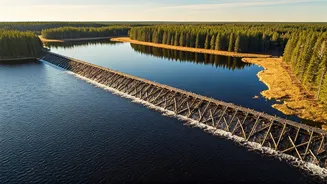
from predators and access to food sources, such as aquatic plants and the inner bark of trees. The construction of a dam involves felling trees, transporting the logs, and strategically placing them in a stream or river. They use mud, stones, and other materials to fill the gaps, making the structure watertight. The size of a dam often correlates with the availability of resources and the size of the beaver colony. The construction is a continuous process as beavers maintain and expand their dams over time, showcasing their architectural ingenuity and their crucial role in shaping aquatic ecosystems. The immense scale, however, is exceptional, standing out as a testament to their engineering capabilities.
Size Matters: Mammoth Dams
The world's largest beaver dam, an extraordinary structure, has captured the attention of scientists and the public alike due to its enormous scale. The dam stretches for an impressive distance and is visible from space, an indication of its massive construction and unique positioning within the landscape. This particular dam provides a distinct visual signature on satellite imagery, highlighting the magnitude of the beaver's effort. It suggests the presence of a sizable beaver population capable of sustaining and expanding the dam over a considerable period. This exceptional example not only illustrates the exceptional abilities of beavers but also the significant impact they can have on the environment they inhabit. The discovery of such an extensive structure sparks both scientific interest and popular fascination, underscoring the remarkable ways that animals can alter their environment.
Space's Unique Perspective
The ability to observe the beaver dam from space introduces a unique approach to studying its physical characteristics and environmental effects. Satellite imagery offers a broad perspective that can't be gained from ground-level observation, showing the precise dimensions and overall structure of the dam. Such high-altitude views allow for the monitoring of changes over time, offering insights into beaver behavior and its impacts on the environment. Space-based observation assists scientists in mapping and assessing the extent of habitat alteration, water flow changes, and any possible ecological repercussions. It also permits the comparison of this particular dam with others across different landscapes, leading to a deeper understanding of beaver construction capabilities in various habitats. This method also opens the door for continuous monitoring of remote areas that might be hard to access otherwise, providing an important instrument for conservation and ecological research.
Significance of Dam
The existence of this large beaver dam demonstrates the extensive ecological role of beavers, including a significant impact on local ecosystems. Dams created by beavers create wetlands, which enhance biodiversity by providing habitats for various plant and animal species. Wetlands can also act as natural water filters, cleansing water and managing flood control by slowing water flow. Furthermore, dams can influence the structure of landscapes, creating diverse and dynamic environments. This specific dam demonstrates the power of a single species to significantly transform its surroundings. Understanding the construction and influence of such dams can help conservation efforts, supporting informed management practices that enhance the benefits provided by beavers and promoting a healthy ecosystem. The beaver dam is a valuable example of how animals actively shape their environments and the complex interactions within nature.
Beaver Dam's Future
The future of the world's largest beaver dam is influenced by both natural changes and anthropogenic factors. As the beavers continue to maintain and develop the dam, it will be shaped by the availability of resources like trees and the overall health of the environment. Climate change may also affect the dam, as shifts in weather patterns can influence water levels, impacting the dam's stability and the local ecosystem. Human actions, such as forestry, pollution, and the introduction of new species, also present challenges. It is vital to continue to monitor the dam and its surroundings, implementing sustainable practices that support both the beaver population and ecosystem well-being. Conservation initiatives may include safeguarding the dam's immediate environment from human disturbances and maintaining a healthy balance between natural evolution and external influences. This will ensure that the beaver dam remains a functional and beneficial feature of the landscape for future generations.