








The Rise of Heat Islands
Bengaluru, a city known for its pleasant climate, is experiencing a concerning trend in specific localities: the emergence of 'urban heat islands'. These
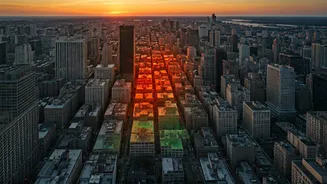
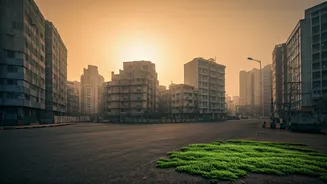
are areas where temperatures can be as much as 4 degrees Celsius higher than in surrounding regions. This phenomenon is not attributed to a city-wide heatwave but rather to localized environmental factors. The core reason behind this temperature disparity lies in the urban landscape itself. Extensive concrete structures, vast expanses of asphalt roads that absorb and store solar radiation, and a scarcity of green cover all contribute to heat entrapment. During the day, these surfaces absorb heat, and as night falls, instead of dissipating, they slowly release this stored warmth back into the atmosphere. This continuous cycle makes these urban pockets significantly hotter, especially after sunset, creating a stark contrast with more vegetated or less built-up areas.
Hotspots Identified
Key areas within Bengaluru have been identified as experiencing this urban heat island effect. The industrial hub of Peenya, characterized by its extensive concrete buildings and corrugated metal structures, exemplifies this issue. Such materials are known for their high heat absorption and retention capabilities. Similarly, the mixed-use corridor stretching from Nagawara to Hennur presents another critical zone. This region faces intense heat due to substantial ongoing construction activities and its role as a major transit intersection, meaning heavy vehicular movement and associated infrastructure further contribute to the heat load. These contrasting yet equally impactful urban environments demonstrate how different forms of development can exacerbate heat accumulation, leading to elevated nighttime temperatures and overall discomfort for residents.
Cooling Solutions Planned
In response to the growing concern over these heat islands, the Greater Bengaluru Authority (GBA) is reportedly planning to implement cooling measures. While specific details of these plans are still emerging, the focus is expected to be on mitigating the factors that contribute to the heat island effect. This could involve strategies such as increasing green cover through extensive tree plantation drives and developing more parks and green spaces. Additionally, exploring the use of cooler construction materials, such as reflective pavements and roofing, could be on the agenda. Promoting water bodies and permeable surfaces to aid in evaporative cooling are also potential avenues. The goal is to reintroduce natural cooling mechanisms into the urban fabric, thereby reducing surface temperatures and improving the microclimate of these affected areas for a more sustainable and comfortable urban living experience.