



A Decade of Loss
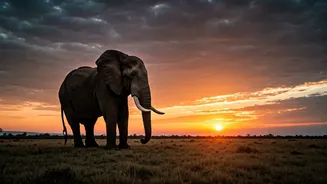
Over the span of a decade, from the fiscal year 2015-16 to 2024-25, Tamil Nadu has tragically witnessed 692 human fatalities directly attributed to encounters
with wild animals. This stark statistic underscores a persistent and alarming trend of negative interactions between human populations and wildlife within the state. Such incidents, while often underreported in broader public discourse, represent a severe and ongoing challenge that demands significant attention. The gravity of this situation is amplified by the fact that these are not isolated events but rather a consistent pattern of conflict, impacting communities and raising critical questions about coexistence and conservation strategies in a densely populated region like Tamil Nadu.
Western Ghats Hotspots
The districts situated in western Tamil Nadu are disproportionately bearing the brunt of human-wildlife conflict. Areas such as the Nilgiris, Coimbatore, Tiruppur, Erode, Salem, Namakkal, and Krishnagiri, along with Dharmapuri, have emerged as significant flashpoints for these dangerous encounters. These regions, characterized by their proximity to forest areas and wildlife corridors, naturally experience a higher frequency of interactions. Furthermore, the southern stretches of the Western Ghats, encompassing districts like Kanyakumari, Tirunelveli, Virudhunagar, Madurai, Theni, and Dindigul, are also observing a concerning escalation in these negative human-animal interactions. This widespread geographical impact highlights the systemic nature of the problem, extending beyond a few isolated pockets and affecting a substantial portion of the state's population living near wildlife habitats.