






The Hidden Heart Danger
A substantial study presented at the American College of Cardiology's Annual Scientific Session highlights a concerning link between frequent consumption
of ultra-processed foods and a markedly elevated risk of cardiovascular incidents. Researchers found that individuals who regularly consumed around nine servings of these items daily faced a 67% greater likelihood of experiencing major heart events, such as heart attacks, strokes, or even fatal outcomes from coronary heart disease, when compared to those who ate very few such products. This research underscores that the convenience often associated with packaged snacks, frozen meals, processed meats, sugary beverages, and certain breads and cereals comes with a significant health cost. The findings indicate that risk escalates with each additional serving, with every extra portion per day correlating to a more than 5% increase in the probability of a serious cardiac event. Notably, this association appeared to be more pronounced within the Black American community compared to other racial demographics, suggesting potential disparities in impact or consumption patterns.
Beyond Calories: The Processing Factor
This extensive U.S. investigation, encompassing 6,814 adults aged 45-84 without prior heart disease, is among the first large-scale efforts to detail the relationship between ultra-processed food intake and cardiovascular health across a diverse population. Its conclusions align with prior European research, expanding our understanding of these risks. Utilizing the NOVA classification system, researchers categorized foods, with ultra-processed items like corn chips falling into the highest tier. Participants consuming the most, averaging 9.3 servings daily, demonstrated a significantly higher risk of fatal coronary heart disease or stroke, alongside non-fatal heart attacks, strokes, or resuscitated cardiac arrests, compared to those averaging just 1.1 servings. Crucially, this elevated risk persisted even after meticulously controlling for numerous confounding factors. As lead author Dr. Amier Haidar noted, the association remained largely unchanged regardless of total calorie intake, overall diet quality, or the presence of common risk factors like diabetes, high blood pressure, high cholesterol, and obesity. This suggests that the negative impact of ultra-processed foods might stem from more than just excess calories or nutritional deficiencies, pointing towards the processing methods themselves as a critical element affecting heart well-being.
Quantifying the Risk Increase
The study meticulously detailed the incremental danger posed by each additional serving of ultra-processed food. On average, every extra daily portion was linked to a 5.1% rise in the probability of adverse cardiac events. This trend was particularly pronounced among Black Americans, who experienced a 6.1% increase in risk per serving, contrasting with a 3.2% increase observed in non-Black individuals. The researchers posited that several factors could contribute to these disparities, including targeted marketing strategies that may disproportionately influence certain communities and potentially limited access to healthier, less-processed food options in some areas. While the study did not directly explore the biological mechanisms at play, existing research offers plausible explanations. Ultra-processed foods are often dense in calories, added sugars, and unhealthy fats, which can interfere with satiety signals and metabolic processes. This interference may promote weight gain, chronic inflammation, and the accumulation of visceral fat, all of which are well-established contributors to the development of heart disease.
Navigating Healthier Choices
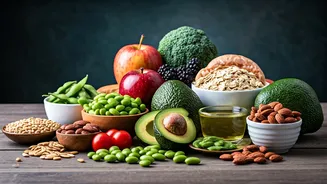
To mitigate these risks, health experts like Dr. Haidar emphasize the critical importance of mindful food selection and diligent label reading. Nutrition labels provide essential information regarding the presence of added sugars, salt, fats, and carbohydrates, which are typically found in higher quantities in ultra-processed items compared to whole foods such as plain oatmeal, nuts, beans, and fresh or frozen produce. The American College of Cardiology has also taken steps to promote healthier eating habits by endorsing a standardized front-of-package labeling system. This initiative aims to make superior nutritional choices more visible, accessible, and achievable for consumers, empowering them to make informed decisions at the point of purchase and thereby reducing their reliance on foods that could negatively impact their cardiovascular health.