



An Unexpected Obstacle
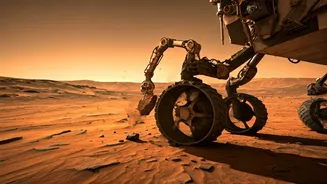
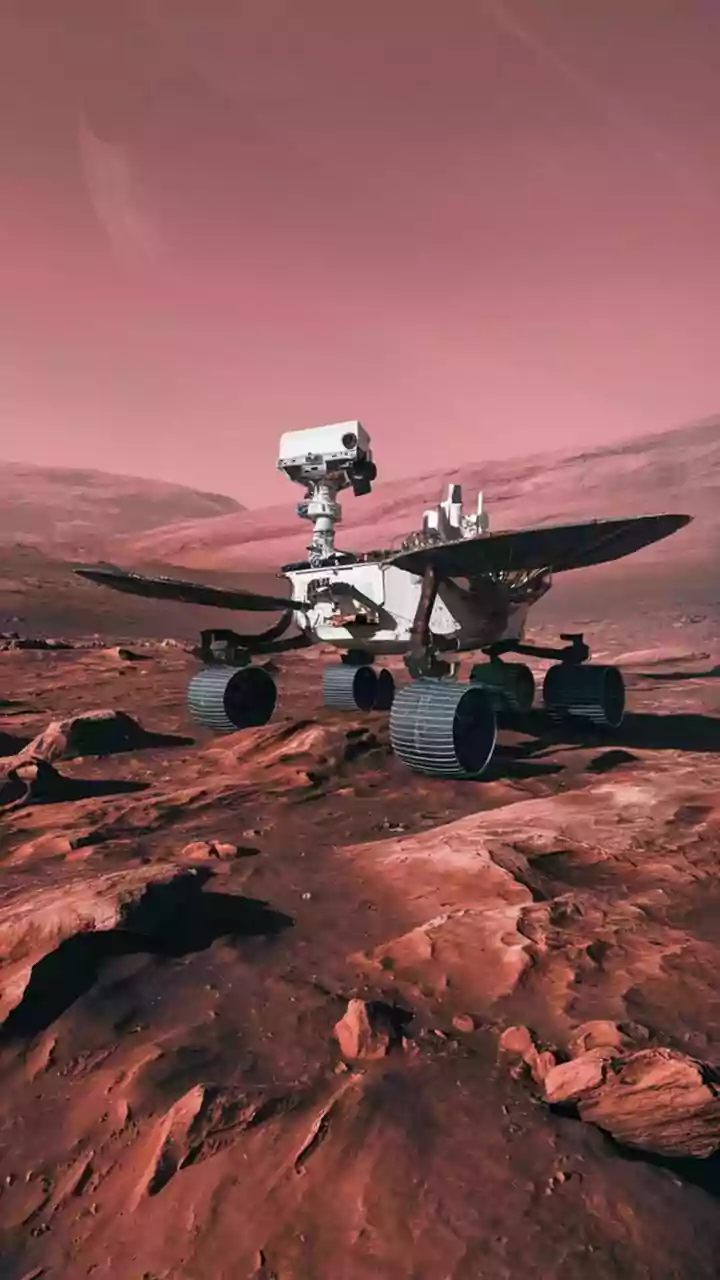
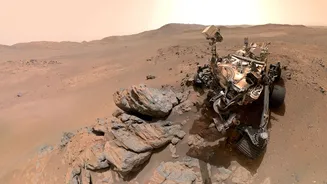
During a routine sampling mission on the Martian surface, NASA's venerable Curiosity rover encountered an unforeseen complication. While attempting to
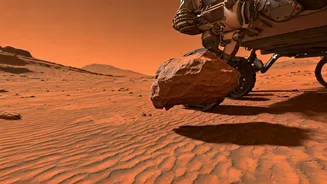
collect a pulverized sample from a rock designated "Atacama," a piece of the rock failed to detach as anticipated. Instead of breaking down into fine dust for analysis, a larger fragment adhered stubbornly to the drill sleeve, a component not designed to retain material. This unexpected development presented an immediate engineering puzzle for the mission control team back on Earth, as images soon confirmed the rock's tenacious grip even after the drilling process had concluded. The situation marked a peculiar deviation from the rover's otherwise predictable operations.
Initial Retrieval Attempts
Back on Earth, NASA's dedicated engineers meticulously analysed the situation, remotely controlling the Curiosity rover with extreme precision due to the vast distance. Their initial approach was conservative, involving gentle manoeuvres such as subtle arm movements and minor vibrations, hoping to dislodge the errant rock fragment. Slow, controlled rotations of the drill mechanism were also attempted, with the hope that centrifugal force would naturally release the debris. However, these cautious methods proved ineffective; the rock remained firmly attached, baffling the team. Over the ensuing days, they escalated their efforts, experimenting with a variety of angles, slightly increased vibration intensities, and more deliberate spinning sequences, but the Martian souvenir stubbornly refused to budge.
The Breakthrough Maneuver
Facing persistent challenges, the NASA engineering team devised a more dynamic strategy. On May 1st, Curiosity executed a robust combination of arm tilting, vigorous rotation, and enhanced vibration protocols. This more forceful, yet carefully calculated, sequence proved to be the solution. The rock fragment finally broke free from the drill sleeve and tumbled back onto the Martian landscape. Mission updates indicated that the detached piece sustained minor fractures upon its landing. This successful dislodging concluded a unique engineering challenge and served as the first documented instance of a complete rock becoming ensnared in Curiosity's drill sleeve throughout its extensive operational history. The incident underscored the unpredictable nature of Martian geology and the adaptability of the rover's operational team.
Geological Context Matters
Curiosity's primary objective is to gather powdered rock samples for its onboard laboratories, enabling detailed analysis of Mars' chemical composition and its potential past habitability. However, the Red Planet's geology is far from uniform. Rocks exhibit a wide range of properties, from soft and layered to brittle and exceptionally dense. Experts suggest that these inherent variations in rock structure can indeed lead to unforeseen outcomes during drilling operations. The "Atacama" rock's specific shape, texture, or internal composition likely played a significant role in its unusual adherence to the drill sleeve, highlighting the importance of understanding these geological nuances for future exploratory endeavors and ensuring the continued success of the Curiosity mission.