


Distant Galaxy Clusters
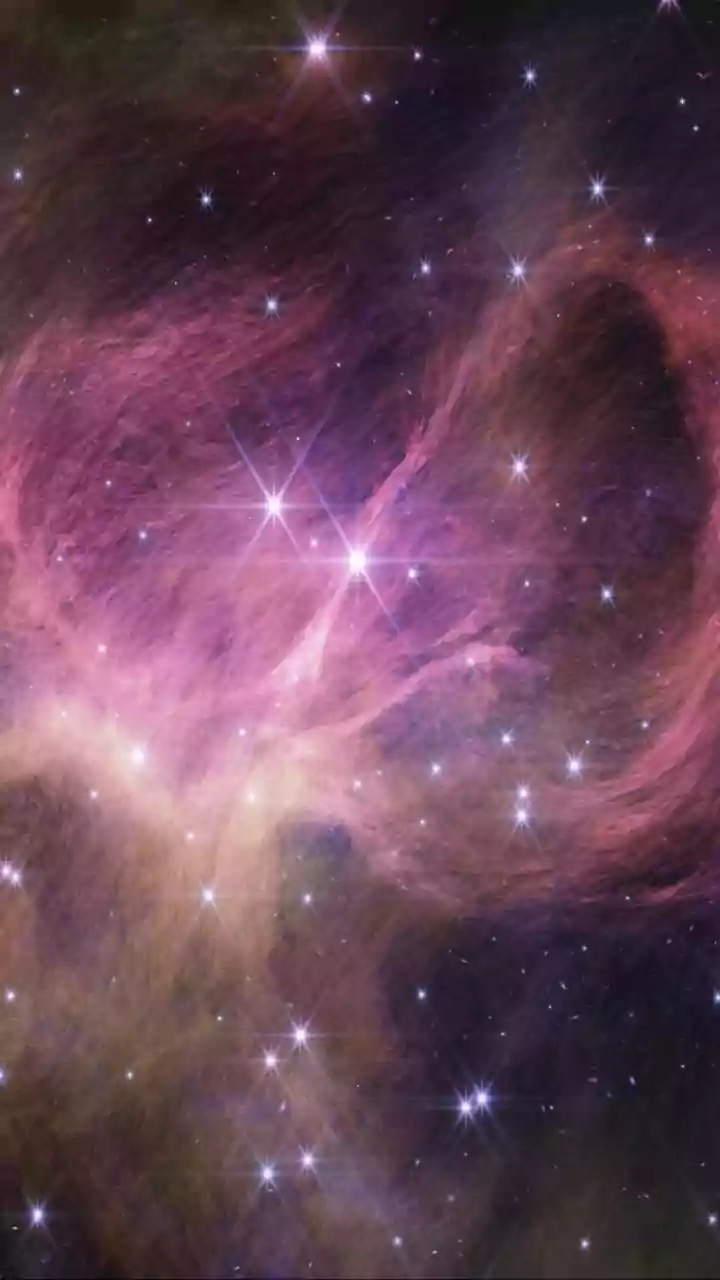
Scientists, using the NASA James Webb Telescope, have identified a remarkably distant and quiescent galaxy cluster, which is a collection of galaxies gravitationally
bound together. This cluster exists from a time that is quite early in the universe's history. The discovery is critical because it helps refine our understanding of how these cosmic structures emerged. It provides vital clues on the process by which galaxies accumulate and transform within these groups over vast timescales. The James Webb Telescope, with its advanced infrared capabilities, plays a crucial role in seeing these distant objects, allowing astronomers to observe them in ways that were previously impossible. The team involved in the observations hopes to gain a deeper comprehension of how galaxies were shaped and how they evolved in the early universe, providing key details on cosmic evolution in the process.
Black Hole Star System
The James Webb Telescope has also helped unveil a 'Jekyll and Hyde' star system. It contains a supermassive black hole. This dual nature implies complex interactions between the stars and their black hole. The telescope's capacity to examine infrared light has helped to clarify the environment around this central black hole, giving insights into how it affects its neighboring stars. The study of such systems adds to the broader knowledge of how black holes influence their surrounding galaxies. This new insight offers the potential for scientists to analyze how these colossal objects shape the evolution of galaxies and the wider universe. Detailed observations like these enhance the understanding of how stars and black holes interact, revealing secrets of the cosmos.
Solar Storms and Auroras
There are indications that the year 2026 could see increased solar storm activity, potentially leading to increased visibility of the Northern Lights. The timing corresponds with the post-solar maximum period, where solar events are expected to be more frequent. This surge in solar activity can trigger powerful geomagnetic storms that reach Earth, which can cause auroras. While these storms can generate stunning light shows, they can also cause disruption to satellite signals and other technological infrastructure. The forecast comes from studies of the sun's behavior, where scientists are working to understand the intensity and frequency of solar events. Monitoring these events and their potential impacts is crucial for safeguarding technological systems and understanding the connection between the Sun and Earth's environment.
Double Asteroid Impact
Astronomers witnessed a rare event: a double asteroid impact. This observation was made using various telescopes. They found the impact produced an unusual amount of dust, which then obscured the star system for some time. This rare event provides a unique chance to study the conditions following a major cosmic collision. It also sheds light on the nature of these events and their effects on planetary systems. This also provides vital data for future research of asteroid impacts and their implications for planetary development. By documenting these kinds of rare celestial events, scientists hope to better understand the processes that shape the universe, from the formation of planets to the potential dangers of asteroids in near-Earth space.