







Defining the Frontiers
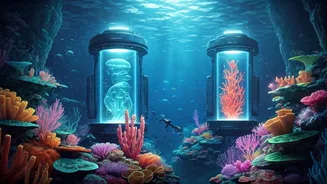
Marine biotechnology harnesses the ocean's vast biological resources, focusing on unique marine organisms for innovative applications. It includes areas
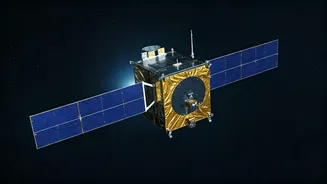
like drug discovery, aquaculture, and bioremediation. Space biotechnology, on the other hand, deals with biological research in the unique environment of space, addressing challenges such as radiation exposure and microgravity. This field explores life support systems, novel materials, and understanding the effects of space on organisms. Both these areas are characterized by extensive research and hold immense promise for the advancement of biotechnology. The potential applications are vast, from novel pharmaceuticals and sustainable aquaculture to advanced materials for space exploration. These fields present an opportunity to address critical global challenges.
India's Current Standing
India's biotechnology sector is experiencing significant growth, although the country's involvement in marine and space biotechnology is still developing. Currently, India has some research institutions and universities that are beginning to explore these fields, with a focus on areas like marine drug discovery and the study of extremophiles. However, the country has room for improvement in infrastructure, funding, and skilled human resources. India is at a pivotal point, with the potential to harness its scientific talent and the rich biodiversity of its coastal regions to advance these sectors. Recognizing the potential for biotechnology is essential to attract investment and foster innovation. It is also important to develop collaborative partnerships between industry, academia, and government to drive progress in these fields.
Why India Needs Them?
Marine and space biotechnology hold great significance for India's scientific and economic development. In the realm of marine biotechnology, the oceans surrounding India are rich in biodiversity, presenting opportunities for the discovery of novel compounds with potential pharmaceutical and industrial applications. In space biotechnology, research into space-based life support systems and advanced materials could support India's space missions. Advancing in these fields could help to build India's reputation for scientific prowess on a global scale. Additionally, they could pave the way for economic opportunities through the development of innovative products and services. Investing in these areas will also spur scientific and technological advancements that could have far-reaching effects on various industries. Further investments can also help to address some of the current challenges in healthcare, environmental conservation, and space exploration.
Biomanufacturing's Leadership Role
To position itself as a leader in biomanufacturing, India needs to pursue a multi-pronged strategy. This includes increasing investment in research and development, setting up state-of-the-art facilities, and promoting public-private partnerships. The establishment of dedicated centers for marine and space biotechnology can nurture innovation and provide a platform for training skilled professionals. Further strategies include creating clear regulatory frameworks to facilitate the commercialization of biotechnological products. It is important to foster a culture of innovation and entrepreneurship, supporting startups in this sector. Further international collaborations in the field of marine and space biotechnology would provide access to the latest technologies and global markets. This approach would equip India to become a major hub for biomanufacturing and establish a significant role in the global biotechnology landscape.
The Road Ahead
India's journey in marine and space biotechnology requires strategic planning and consistent execution. The focus should be on building a robust ecosystem that supports the entire value chain, from fundamental research to commercialization. This could be achieved by fostering a conducive policy environment that incentivizes investments in these fields. Developing educational programs and training initiatives is critical to create a skilled workforce capable of driving advancements in biotechnology. Furthermore, exploring international collaborations and forming partnerships with leading global institutions can enhance knowledge sharing and accelerate innovation. By adopting a proactive and integrated approach, India can transform into a global leader in marine and space biotechnology, contributing to scientific advancement and economic growth.