






Orbit Crowding Concerns
The expanding presence of satellites in Earth's orbit is a growing concern. The situation is getting more critical with each launch, as the probability
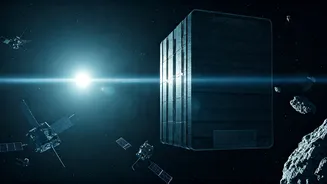
of collisions with existing debris and other satellites increases dramatically. This overcrowding poses significant challenges for future space missions. Debris, resulting from past collisions or the disintegration of old satellites, is a major threat. Even minor fragments can cause catastrophic damage at orbital speeds. The Kessler syndrome, a theoretical scenario, describes a chain reaction of collisions that could render specific orbits unusable for generations. It is essential to monitor and mitigate space debris to ensure the sustainability of space activities.
Project Suncatcher Risks
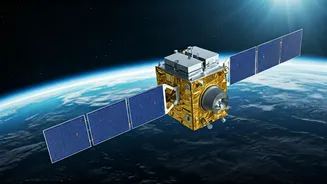
Project Suncatcher, a plan for deploying sun-synchronous satellites, exemplifies the challenges in space. While the project aims to leverage space for advanced technologies, its implementation must consider its impact on the crowded orbital environment. The deployment of additional satellites, especially in sun-synchronous orbits, raises the probability of encounters with existing space debris and functional satellites. The nature of these orbits, which have a high density of objects, further amplifies these collision risks. Without effective mitigation strategies, initiatives like Project Suncatcher could inadvertently exacerbate the risk of orbital collisions, causing considerable losses and potential disruption of space-based services.
Space Debris Threats
Space debris poses a significant threat to all operations in orbit. Created from old satellites, discarded rocket stages, and fragmentation events, this debris continues to grow in number. Collisions produce even more fragments, contributing to a cycle of escalating danger. Even small debris objects can cause extensive damage at orbital speeds. These impacts can disable satellites, disrupting essential services such as communication, navigation, and Earth observation. Addressing the space debris problem requires a multi-pronged approach that includes active debris removal, improvements in satellite design to reduce fragmentation, and stricter regulations to prevent the generation of new debris. These measures are vital to protect the sustainability of space activities.
Regulatory Gaps Persist
Currently, the lack of sufficient regulation amplifies the risks in space. Current regulations are inadequate to cope with the rapid expansion of satellite deployments and the consequent risks. There is a need for more robust international agreements to establish clear guidelines for satellite operations, debris mitigation, and the responsibility for space activities. The absence of comprehensive regulations can result in irresponsible practices, increasing the likelihood of collisions and debris generation. Strengthening the current regulatory framework is crucial to manage space sustainably, mitigating collision risks, and ensuring the continued benefits from space-based technology and research.
Data Center Impact
The establishment of AI data centers in space, though potentially innovative, adds to the complexity of the existing problems. These centers require a significant number of satellites, which could increase the number of objects orbiting the Earth. Each satellite deployed carries with it additional risks, including collision risks, and creating more space debris. The introduction of these centers needs to be carefully evaluated, balancing technological advancements with their environmental impact. Strategies must be developed to minimize the risks of collisions, reduce the generation of debris, and secure the long-term sustainability of space activities. It is important to remember that these data centers have potential implications not just for space, but also the world.