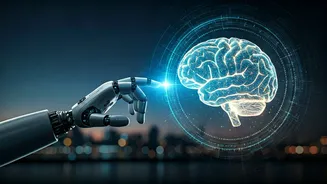









AGI's Impending Arrival
Ben Goertzel, a pioneer in the field of Artificial General Intelligence (AGI), has put forth a striking prediction: AI capable of performing at a human
level could be a reality within the next two to three years. This timeline aligns with sentiments previously voiced by prominent figures in the tech industry. Such a monumental advancement is poised to trigger a profound transformation across numerous sectors, ushering in an era of unprecedented technological capability and societal change. The prospect of machines matching human cognitive abilities opens up a vast spectrum of possibilities, from revolutionizing scientific discovery to fundamentally altering the way we live and work.
The Looming Job Apocalypse
While the advent of human-level AGI promises incredible progress, Goertzel issues a stark warning: a significant 'job apocalypse' is on the horizon, potentially rendering a substantial portion of current professions obsolete. This disruption won't be instantaneous but rather a gradual evolution, much like the integration of generative AI witnessed since 2022. Initially, the roles most vulnerable are not the manual labor ones many might expect, but rather professions requiring intricate cognitive skills. For instance, legal and graphic design roles are experiencing disruption at a faster pace than anticipated. Conversely, tradespeople like plumbers and electricians, alongside educators, are projected to maintain their relevance for a longer duration compared to many desk-bound occupations. Even roles born from recent AI advancements, such as prompt engineering, are rapidly diminishing in perceived importance, underscoring the swift obsolescence of specific technical proficiencies.
A Utopian Future?
Despite the daunting forecast for the traditional job market, Goertzel offers an optimistic vision, describing a potential 'utopian world' where the cessation of the conventional 9-to-5 routine could elevate the human experience. In this envisioned future, individuals would gain increased leisure time to dedicate to family and personal relationships, as automated systems manage the bulk of economic output. Furthermore, this liberation from mandatory labor would foster an environment where people can freely pursue hobbies and creative passions that provide genuine emotional satisfaction, moving beyond mere financial remuneration. Goertzel emphasizes the critical necessity of Universal Basic Income (UBI) and decentralized technological access to ensure that the prosperity generated by AI is equitably distributed, benefiting everyone. Ultimately, in this evolving landscape, the focus for humanity may shift from 'making a living' to 'finding a purpose,' recognizing that work encompasses far more than just earning an income.