






AI's Prank Demise
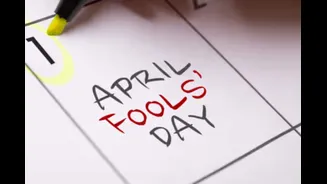
The digital landscape of April 1, 2026, presented a stark departure from previous years. What was once a day for lighthearted corporate jesting, like announcing
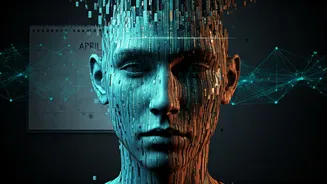
bizarre product variations, has evolved into a serious challenge for global information accuracy due to advanced generative AI. Deepfake technology has reached a point where it can replicate human emotions and speech with almost perfect fidelity. This advancement has blurred the distinction between a simple prank and a potentially damaging disinformation campaign. The inherent charm of older April Fool's pranks stemmed from their obvious absurdity, which allowed audiences to easily identify them as jokes. However, current AI video models generate footage so seamless and coherent, free from the visual glitches that once betrayed deepfakes, that the human eye can no longer reliably detect artificiality. Consequently, when a brand or influential figure releases content today, viewers are no longer scanning for technical flaws; their primary concern is discerning the actual reality of what they are witnessing. This sophistication has essentially 'killed' the traditional prank, shifting the audience's immediate reaction from amusement to suspicion, forcing a constant re-evaluation of everything seen online.
The Liar's Dividend
One of the most concerning consequences of the widespread use of deepfake technology is a phenomenon termed the 'Liar's Dividend'. In this era where the public is acutely aware that virtually any content – be it a corporate apology or a political address – can be convincingly faked by AI, there's a growing tendency to dismiss genuine events as fabricated. This heightened skepticism provides a convenient escape route for malicious actors aiming to evade responsibility. On an occasion like April Fool's Day, a truly significant leaked document or an urgent emergency broadcast could easily be disregarded by a wary public, mistakenly categorized as an orchestrated digital prank. The present danger extends beyond merely believing falsehoods; it erodes our capacity to confidently trust what is actually true. This erosion of trust is particularly perilous when factual information is crucial for public safety or societal understanding, making it harder to discern genuine crises from fabricated ones.
India's IT Rules
In response to the escalating problem of AI-driven misinformation, the Indian government implemented crucial amendments to its Information Technology Rules in early 2026. These revised IT Rules 2026 mandate that all forms of 'Synthetically Generated Information' (SGI) must be accompanied by permanent, unalterable metadata and clearly visible labels. For digital platforms and content creators, the implications are substantial: any AI-generated content that mimics authentic material but lacks these required labels is subject to swift takedown procedures. Furthermore, in instances of impersonation or scams that exploit digital identities, often amplified during festive periods, platforms are now obligated to remove the infringing content within a strict three-hour timeframe. This regulatory framework acts as a critical safeguard, ensuring that content intended as satire or pranks does not devolve into criminal deception or fraud, thereby protecting users from potentially harmful manipulations.
Spotting Deepfakes
Despite the remarkable advancements in AI technology in 2026, individuals can still safeguard their 'digital sanity' and discern fabricated content from reality. A primary method is to look for provenance indicators. Most reputable online platforms now integrate a 'Synthetic' tag or a C2PA watermark, typically located in the corner of video content, to denote AI-generated material. Additionally, employing a 'Logic Check' is vital. If a public figure appears to be making statements that starkly contrast with their established track record or seem specifically engineered to provoke an immediate, intense emotional reaction, it's a strong signal that the content might be a targeted prank or the product of automated bot networks. Finally, examining the distribution pattern of information is key. Genuine news of national importance will invariably be corroborated and distributed across multiple credible media outlets simultaneously. In contrast, a deepfake prank often originates from a single social media account and relies on rapid, unverified viral spread rather than established journalistic verification processes.