





The Diet Dilemma
For years, scientists have explored dietary strategies to induce significant fat loss, with some methods showing remarkable results in animal models. One
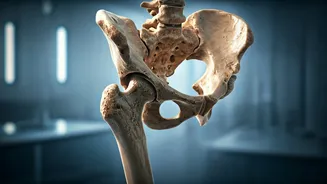
such approach involves restricting sulfur-containing amino acids, like methionine and cysteine. This restriction can lead to rapid shedding of excess weight, even when consuming a high-fat diet, and has even been linked to extended lifespans in studies. However, this metabolic boon comes with a significant drawback: compromised bone health. Diets that severely limit these amino acids have been observed to decrease bone mineral density, reduce the population of bone-forming cells, and increase fat accumulation within the bone marrow. This shift is thought to occur because bone and fat cells originate from the same precursor cells, meaning that altering the balance can directly impact bone integrity and strength, creating a difficult trade-off for individuals seeking to manage their weight.
Isolating the Cause
Intrigued by the bone-damaging side effect of sulfur amino acid restriction, researchers embarked on a mission to pinpoint the exact culprit behind this detrimental impact. Their hypothesis centered on cysteine, a key sulfur-containing amino acid, and its role in cellular defense and metabolism through glutathione (GSH). To test this, they designed a series of experiments using obese mice. These mice were divided into four groups, each on a different dietary regimen. One group received a standard diet, while another was placed on the sulfur amino acid-restricted (SAAR) diet. The remaining groups were given variations: one on the SAAR diet supplemented with N-acetylcysteine (NAC), which replenishes cysteine and glutathione levels, and another on a standard diet but treated with D, L-buthionine-(S, R)-sulfoximine (BSO), a compound known to reduce glutathione levels without altering the diet itself. This experimental setup allowed scientists to directly compare the effects of overall dietary restriction versus targeted glutathione reduction.
A Surprising Separation
The results of the study revealed a fascinating divergence in outcomes. Mice on the SAAR diet, as expected, exhibited rapid fat loss but also displayed significant bone deterioration, including reduced bone density, a decrease in bone-forming osteoblasts, and overall weaker bones. Furthermore, their bone marrow showed an increase in fat cells. Crucially, supplementing these mice with NAC successfully reversed these bone-related issues, confirming that the depletion of cysteine and glutathione was indeed the root cause of the bone damage. However, the mice treated with BSO presented a remarkable finding: they also became leaner, mirroring the weight loss effects of the SAAR diet, but without any adverse impact on their bones. Their bone density, strength, and cellular activity remained within normal ranges, and bone marrow fat did not increase. The authors explicitly noted that BSO achieved its anti-obesity effects without any detrimental consequences for bone health, a pivotal distinction.
Future Weight Loss Avenues
This groundbreaking research offers compelling evidence that fat loss and bone loss do not have to be inextricably linked. The study suggests that lowering glutathione levels may be the mechanism driving weight reduction, and importantly, how glutathione is reduced matters significantly. While broad dietary restrictions can disrupt multiple bodily systems, BSO appears to achieve its effects in a more precise, tissue-specific manner, minimizing collateral damage. This discovery paves the way for the development of future weight loss treatments that could potentially replicate the efficacy of restrictive diets but without their debilitating side effects. Given the challenges of adhering to strict dietary regimens like SAAR in real life, this targeted approach holds considerable promise. Nevertheless, the researchers emphasize that further investigation is essential to fully understand how BSO protects bone health, how these effects might vary between sexes and ages, and the long-term safety profile of such interventions.