
Fueling Test Underway
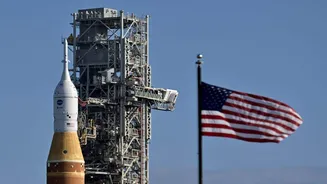
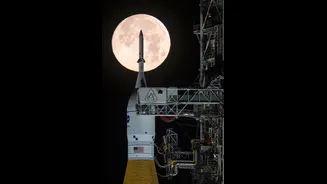
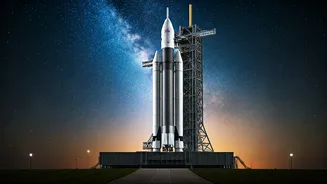
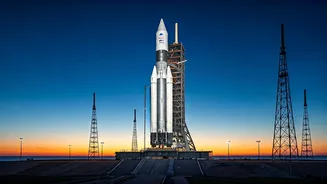
On February 2, 2026, NASA initiated a critical, day-long practice countdown for its massive 98-meter moon rocket at the Kennedy Space Centre. The primary
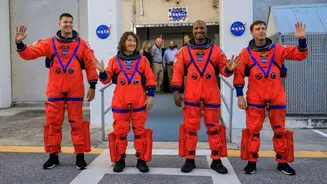
objective of this elaborate procedure was to load over 2.6 million liters of super-cold liquid hydrogen and oxygen into the rocket's tanks and maintain them for several hours, simulating the final critical moments before an actual launch. This extensive fueling demonstration is a make-or-break test, essential for determining the feasibility and timing of the first crewed mission to the Moon in over half a century. The astronauts, a crew of three Americans and one Canadian, were closely monitoring this rehearsal from Houston, Texas, where they had been in quarantine for a week and a half, awaiting the outcome of this pivotal test.
Leak Detected, Operations Halted
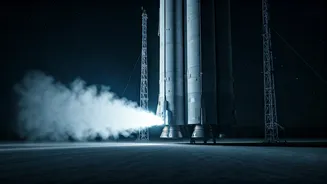
Mere hours into the extensive fueling operation, the launch team detected an excessive amount of hydrogen near the rocket's base. This unexpected anomaly forced an immediate temporary halt to the hydrogen loading process, with only about half of the core stage successfully filled. Engineers and technicians swiftly mobilized, employing troubleshooting techniques that had been honed during the Space Launch System (SLS) rocket's previous test flight three years prior. That initial launch was also significantly hampered by similar hydrogen leaks, though it eventually managed to lift off. The current situation, occurring with the launch window narrowing due to a cold snap, added considerable pressure to resolve the issue efficiently.
Countdown Clock Adjustments
Already running two days behind schedule due to a severe cold snap, NASA's launch preparations involved setting the countdown clocks to stop just 30 seconds before reaching zero, preceding engine ignition. This carefully planned simulation, which began ticking on the night of January 31, 2026, provided launch controllers an opportunity to meticulously practice all procedures and address any remaining technical challenges with the rocket. The recurrence of hydrogen leaks, which had previously delayed the first SLS rocket's launch for months in 2022, underscored the importance of successfully completing this fueling demonstration without further setbacks. The ability to finalize this test promptly could pave the way for commander Reid Wiseman and his crew to embark on their lunar journey as early as February 8, 2026.
Mission Scope and Lunar Ambitions
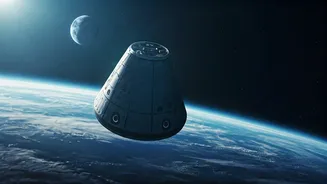
The upcoming approximately 10-day mission aims to send the astronauts on a trajectory that will take them past the Moon, around its far side, and then directly back to Earth. The primary objective is to rigorously test the capsule's life support systems and other critical components in the deep space environment. Notably, the crew will not enter lunar orbit nor attempt a landing during this voyage. This mission is a crucial stepping stone in NASA's new Artemis program, which envisions establishing a more sustained human presence on the Moon. Commander Wiseman's flight is intended to lay the groundwork for future lunar landings by subsequent astronaut crews, building upon the legacy of the Apollo program that last sent humans to the Moon in the 1960s and 1970s. The mission's launch is time-sensitive, with a hard deadline of February 11, 2026, after which it would be postponed until March, due to limited launch windows available each month, which have already been shortened by the extreme February cold.