





The Silent Crisis
India has made strides in eradicating widespread food shortages, yet a less visible challenge, known as hidden hunger, persists. This condition affects
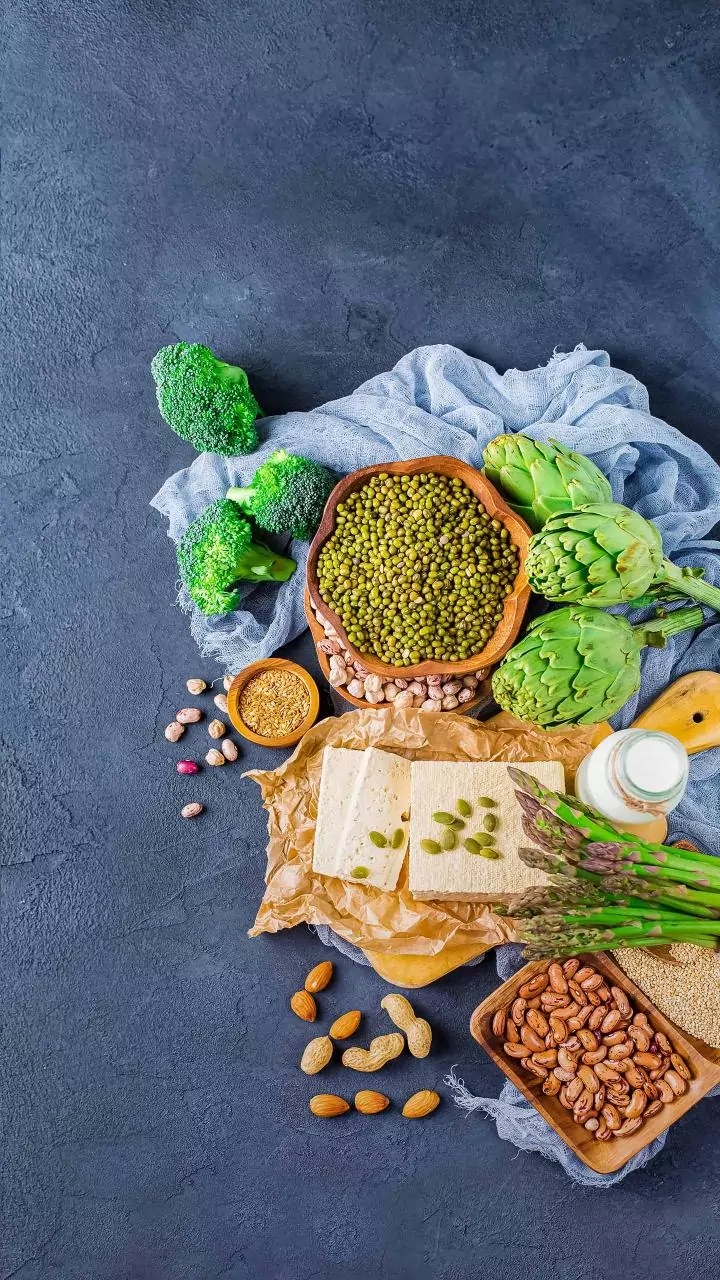
individuals who consume sufficient calories but lack essential micronutrients, such as iron, vitamin D, and vitamin B12. The consequences can manifest as chronic fatigue, a weakened immune system, and even anemia, impacting seemingly healthy populations. This nutritional gap highlights a crucial disconnect between simply eating enough and eating nutritiously, underscoring the need for a deeper understanding of dietary quality beyond mere quantity, particularly in urban settings.
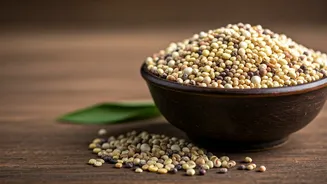
Millet's Promising Role
A recent two-month pilot study, a collaborative effort involving the Celiac Society of India, AIIMS Delhi, and the National Association of the Blind (NAB), has put forth compelling evidence for the role of traditional grains, specifically millets, in alleviating hidden hunger. Conducted among 54 adult residents, including 42 women at the NAB facility in Delhi, the research compared two groups. All participants were provided with supplements of vitamin D, vitamin B12, and multivitamins. However, one group experienced a dietary modification where a portion of their wheat-based meals was substituted with dishes featuring millets like ragi, bajra, and jowar. By analyzing blood samples before and after the intervention, the study aimed to measure improvements in key nutritional markers, providing a quantitative assessment of dietary impact.
Dietary Diversity's Impact
The study's outcomes revealed that while vitamin supplements led to general improvements in vitamin levels for all participants, those who incorporated millet-based meals into their diet exhibited more pronounced gains in certain nutritional markers. This effect was particularly noticeable among the women in the study. Although the sample size was modest, these findings strongly suggest that the quality of one's diet plays a significant, potentially overlooked, role in enhancing nutritional status. Experts emphasize that this reinforces the critical importance of dietary diversity, a practice that has regrettably diminished since the Green Revolution's shift towards prioritizing rice and wheat consumption, moving away from a broader spectrum of indigenous grains.
Nutritional Benefits Explored
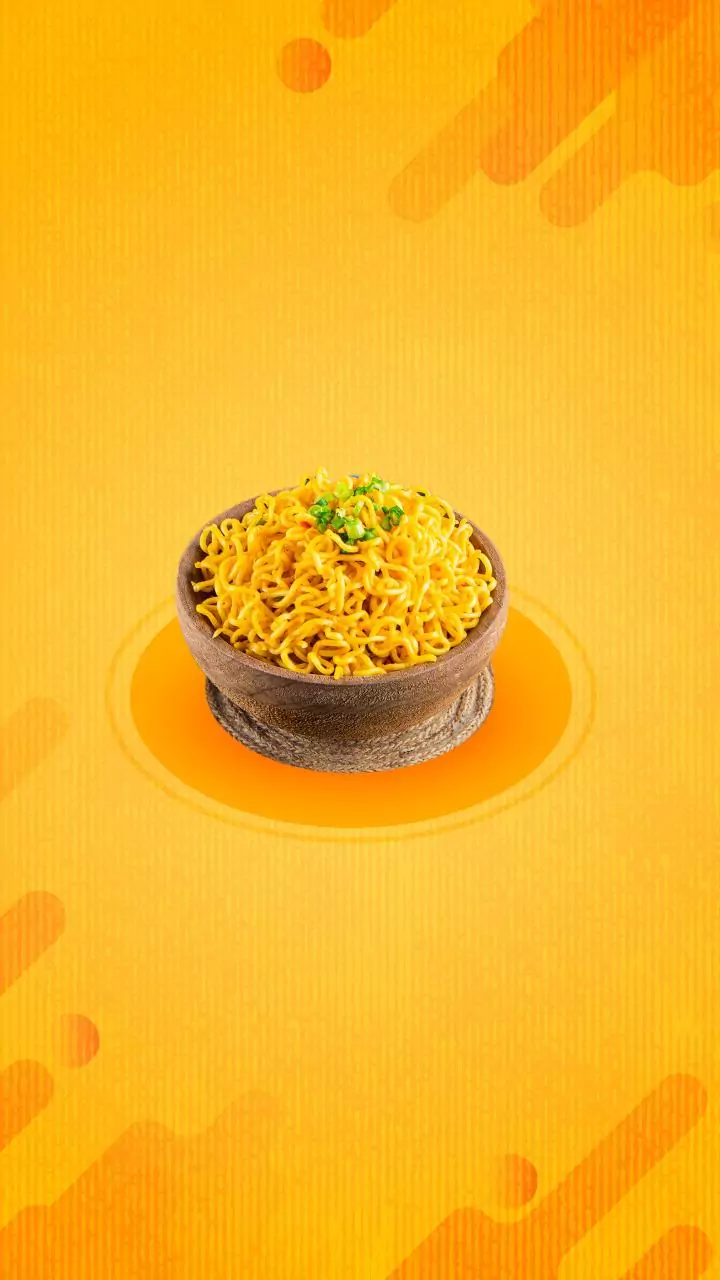
Millets, which were once a staple in Indian diets, are recognized for their rich nutritional profile, boasting high levels of dietary fiber, iron, and B-vitamins, and importantly, they are naturally gluten-free. While researchers acknowledge that millets do not directly supply vitamin D or B12, they propose that their inclusion in the diet may indirectly support better nutrient utilization. This could be attributed to an overall improvement in diet quality and a positive impact on gut health, creating a more conducive environment for the body to absorb and benefit from other nutrients. This suggests a synergistic effect where millets enhance the body's capacity to leverage its nutritional intake.
Observable Improvements Noted
Beyond specific nutrient markers, the study also observed encouraging trends in participants' general well-being. Hemoglobin levels saw an improvement in several women within the millet-consuming group, even though their iron stores didn't change significantly within the study's short timeframe. Participants also reported a subjective enhancement in their energy levels, mood, and overall sense of well-being. Nutritionists, like Ishi Khosla, concur that replacing wheat with millets can elevate the overall nutritional composition of meals and boost energy. Shalini Khanna, director of NAB India, noted visible improvements in women's strength, focus, and performance, although she raised concerns about the cost being a potential barrier to widespread adoption. She reiterated that while supplements are effective for correcting deficiencies, the fundamental role of a balanced diet remains paramount.