






Robots and Social Dynamics
The increasing sophistication of humanoid robots presents a fascinating paradox: as we build machines that mimic human form and function ever more closely,
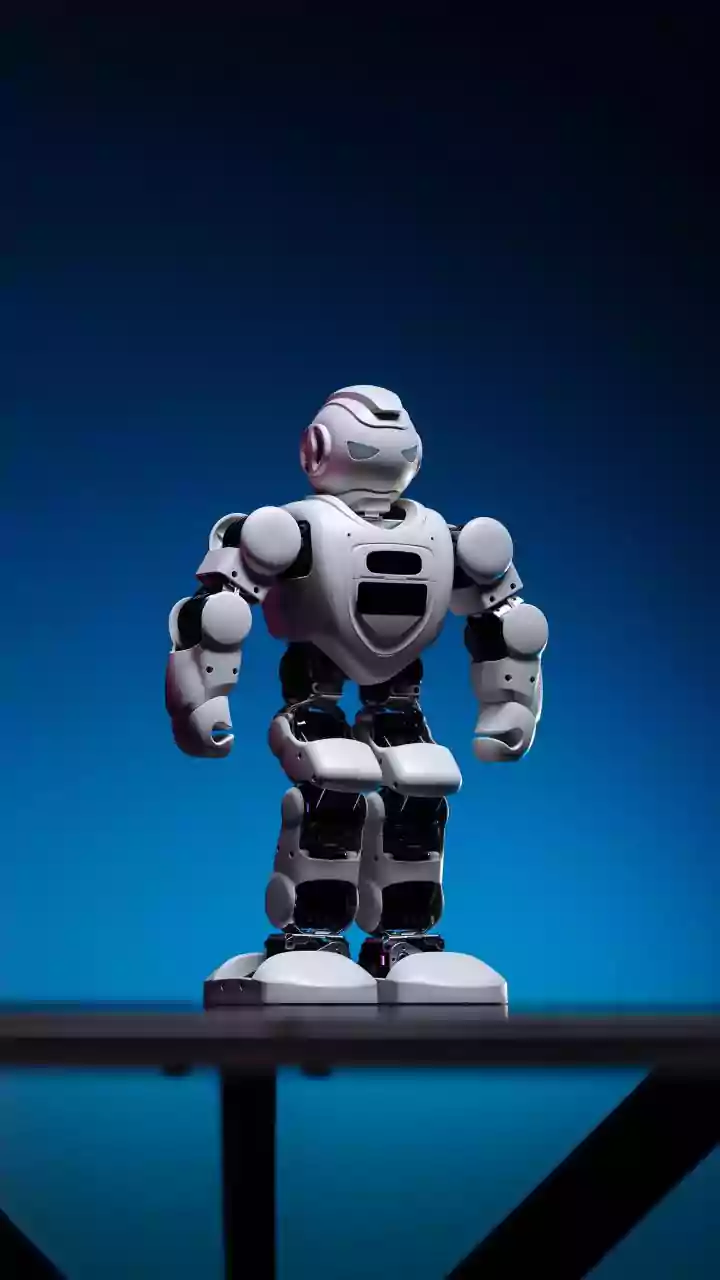
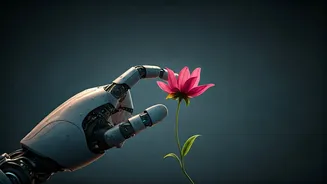
our own social interactions might begin to feel strained. Companies are developing robots with remarkably fluid movements, so much so that initial demonstrations required them to be visibly disassembled to prove they weren't human-operated. This leap in robotics isn't just about efficiency; it touches upon our fundamental understanding of companionship and interaction. As these machines become more adept at performing tasks and even displaying what appear to be emotions, the lines between human and machine interaction blur. This raises questions about whether our comfort with each other will diminish as we grow accustomed to the predictable, often less complex, nature of robotic engagement. We are entering an era where the presence of highly capable humanoids in our daily lives might subtly, or perhaps not so subtly, shift our expectations and tolerances for the nuances of human-to-human connection. The challenge lies in navigating this new landscape without losing the depth and authenticity of our interpersonal relationships.
AI and Human Connection
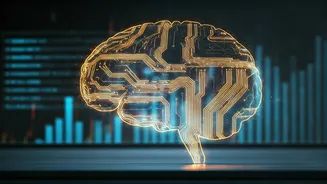
Beyond physical robots, artificial intelligence itself is rapidly evolving, with advancements in AI's ability to monitor its own cognitive processes offering a glimpse into more human-like thinking. This self-awareness in AI could unlock new potentials for intelligent systems. However, the integration of AI into our lives is not without its complexities. AI assistants, for instance, often default to feminine personas, potentially reinforcing harmful gender stereotypes. This trend highlights a broader societal tendency to imbue AI with human-like traits, sometimes in ways that reflect our existing biases rather than transcending them. Furthermore, while AI can undoubtedly accelerate scientific discovery, it's unlikely to completely supplant human scientists. The intuitive leaps, ethical considerations, and collaborative spirit that define human scientific endeavor remain largely beyond current AI capabilities. Even in areas like mental health, AI chatbots have shown concerning capabilities, with one woman experiencing delusions after extensive late-night conversations, underscoring the need for caution and ethical guidelines as AI becomes more intertwined with our personal lives.
The Future of Interaction
The burgeoning field of robotics and AI is fundamentally reshaping our interaction with technology and, by extension, with each other. From humanoid robots that learn by observing themselves in mirrors to AI systems that can develop spontaneous personalities, the pace of innovation is astounding. This rapid progress, however, prompts critical reflection on how these advancements will impact our social fabric. For instance, the development of AI 'swarms' that mimic human behavior raises concerns about their potential misuse in spreading misinformation or harassing individuals online. Similarly, the discovery that certain AI chatbots possess an alarming encryption flaw means sensitive user data could be vulnerable to interception by hackers. As we witness AI spotting unexplainable astronomical objects or detecting cognitive decline with surprising accuracy, it's clear that AI's influence is expanding. Yet, the core question remains: will this technological immersion lead to a more disconnected human experience, where our capacity for empathy and nuanced social engagement wanes in favor of predictable, machine-like interactions?