





Lunar Ambitions Ascend
SpaceX is strategically refocusing its ambitious long-term goals, with founder Elon Musk announcing a significant pivot from the long-cherished objective
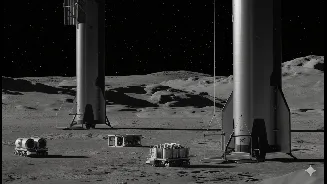
of human colonization on Mars to an immediate priority on building a self-sufficient settlement on the Moon. This shift, revealed on Sunday, February 8, 2026, acknowledges the practical challenges and timelines associated with interplanetary travel. While SpaceX has achieved considerable success as a NASA contractor, Musk's Mars colonization aspirations have frequently been met with skepticism regarding their feasibility. The new lunar focus also places SpaceX in closer alignment with the space policy directions being emphasized by U.S. President Donald Trump, who has indicated a renewed interest in lunar exploration rather than an immediate push for Mars missions. This recalibration signifies a pragmatic approach to achieving substantial milestones in space habitation within a more foreseeable future, leveraging the Moon's relative proximity and accessibility.
Proximity and Pace
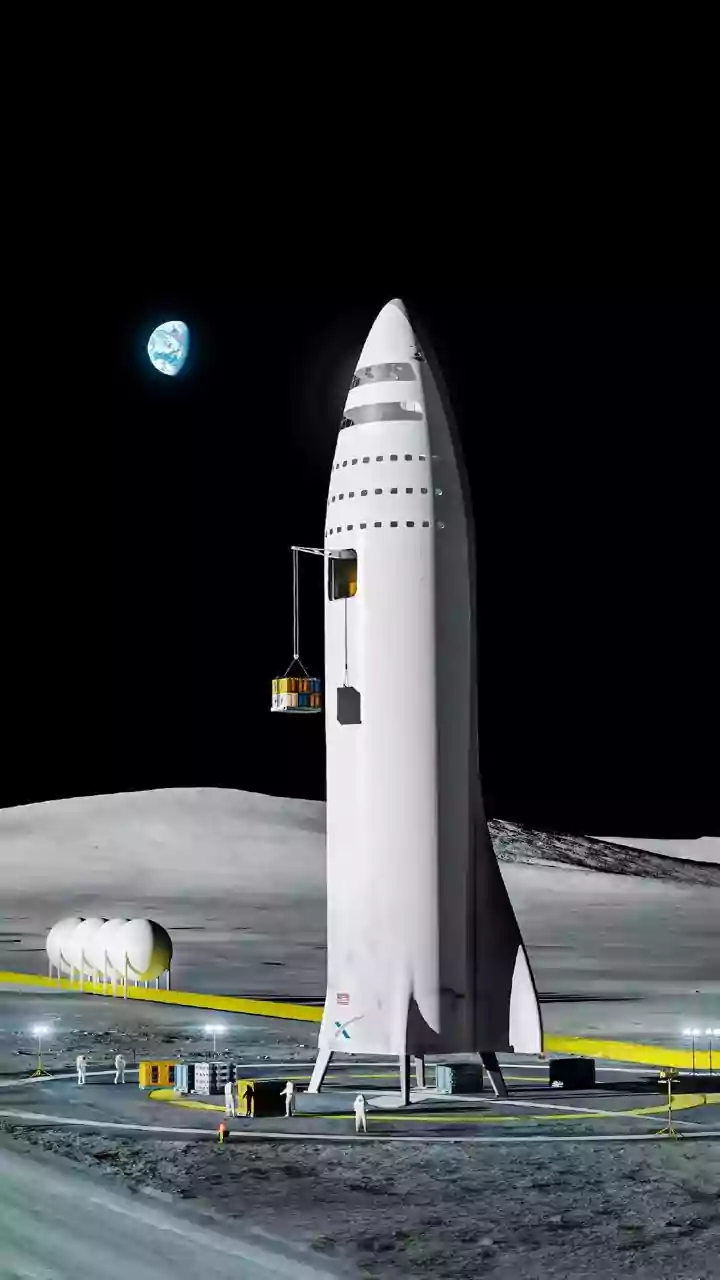
Elon Musk articulated the rationale behind this strategic redirection, highlighting the comparative advantages of lunar settlement. He stated in a post on X, the social media platform he acquired in 2022, that SpaceX is now concentrating on developing a 'self-growing city on the Moon,' a feat he believes could be accomplished in under a decade. In stark contrast, realizing a similar city on Mars is projected to take upwards of 20 years. A key factor influencing this decision is the astronomical difference in launch windows. Traveling to Mars is constrained by planetary alignments that occur only every 26 months, creating significant waiting periods. Conversely, SpaceX can launch missions to the Moon as frequently as every 10 days, enabling a much faster pace of development and iteration for lunar infrastructure and habitation. This accessibility is crucial for building a robust lunar presence efficiently.
Revisiting Timelines
Musk has a history of revising timelines for Martian expeditions, leading to a degree of public scrutiny. As far back as 2016, he had suggested that passengers could embark on journeys to Mars as early as 2024, contingent on the successful development and financing of his rocket systems. This prediction followed an earlier statement in 2011 to the Wall Street Journal, where he estimated that SpaceX astronauts would reach Mars within 'Best case, 10 years, worst case, 15 to 20 years.' These past projections underscore the evolving and often ambitious nature of SpaceX's long-term planning. The current recalibration towards the Moon also aligns with governmental objectives. President Trump's executive order on U.S. space policy, issued late last year, outlined a goal to land Americans on the Moon by 2028, a part of NASA's Artemis program for which SpaceX is a key contractor. This differs from his earlier pronouncements about planting the American flag on Mars within his presidential term.
Lunar Lander Readiness
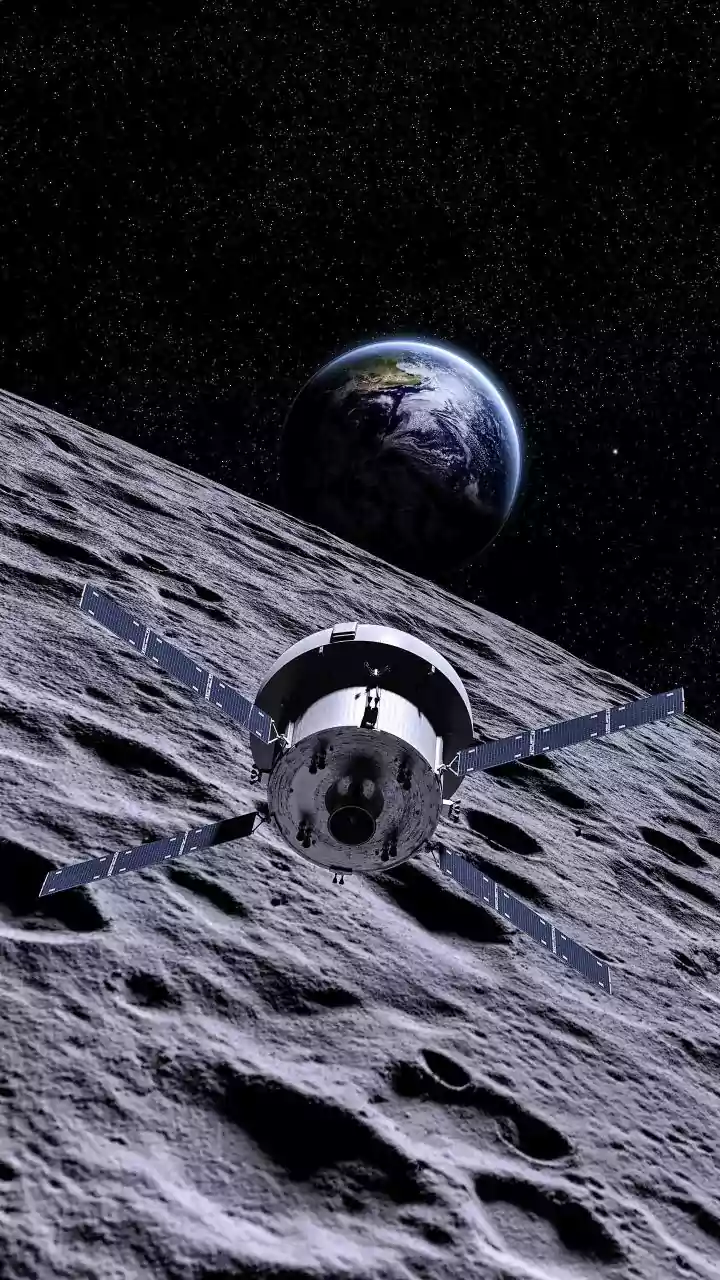
The current schedule for American astronauts to return to the lunar surface is slated for mid-2027, as part of the Artemis 3 mission. However, this timeline has encountered persistent delays, and industry experts widely anticipate further setbacks. A primary reason for these anticipated delays is the ongoing development status of the lunar lander being engineered by SpaceX. The readiness of this critical component is a significant bottleneck. The advantage of focusing on the Moon, as Musk highlighted, lies in the ability to 'iterate much faster to complete a Moon city than a Mars city.' This faster iteration cycle, facilitated by more frequent launch opportunities and a less complex journey, is expected to accelerate progress. Despite the current emphasis on lunar development, SpaceX has affirmed its continued commitment to its Mars ambitions, with plans to commence efforts towards building a Mars city in approximately 5 to 7 years, indicating a dual-track approach to its long-term vision.