





The Fat Factor
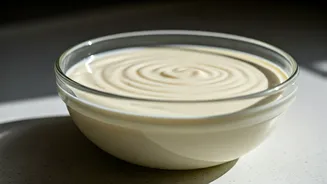
The richness and creaminess of your homemade curd are significantly influenced by the type of milk used. Opting for full-fat milk is a game-changer, as
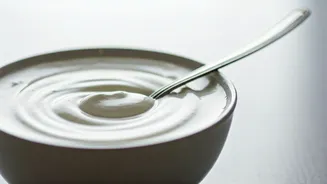
its higher fat content provides a robust foundation for a stable protein network. This density not only contributes to a thicker, more luscious texture but also helps the curd hold its structure, minimizing the release of liquid. In contrast, using toned or skimmed milk, which lacks the essential fat, makes the curd more susceptible to expelling water, resulting in that undesirable watery layer on top. Therefore, the quality and composition of your milk are fundamental to achieving the desired consistency and preventing whey separation, making it a crucial first step in setting perfect curd.
Precise Temperature Control
Maintaining a consistent and optimal temperature is paramount for successful curd setting. The ideal environment for beneficial bacteria to work their magic lies between 30°C and 40°C. If the temperature dips too low, the fermentation process slows down, preventing the curd from solidifying properly. Conversely, excessive heat or prolonged incubation can lead to over-fermentation. This can cause the curd to break down, releasing an excess of liquid, commonly known as whey. To combat the chill during colder months, creative solutions like placing the curd container in a switched-off oven or microwave, or simply wrapping it snugly in a thick cloth, can help create a warm, stable microclimate, ensuring the curd sets beautifully and consistently.
Starter Wisdom
The quantity of starter culture you add plays a pivotal role in the curdling process. While it might seem intuitive that more starter would speed things up, an excessive amount can actually be detrimental. Overloading the milk with starter culture accelerates fermentation too rapidly, leading to an overly sour taste and, crucially, encouraging the expulsion of whey. The key is balance; a mere 1/4 to 1/2 teaspoon of starter is typically sufficient for approximately 500 ml of milk. This moderate amount allows the beneficial bacteria to work efficiently without overwhelming the milk proteins, ensuring a stable structure that retains moisture and results in creamy, well-set curd.
Ideal Starter Addition
The temperature at which you introduce the starter culture to the milk is a critical factor in achieving a perfect set. Lukewarm milk, ideally around 35°C to 40°C, provides the perfect breeding ground for the lactic acid bacteria. To gauge this, a traditional and reliable method is the finger test: the milk should feel comfortably warm to the touch, not hot. Once the starter is mixed in and the container is covered, it's essential to avoid disturbing it. Shaking or moving the container during the setting period can disrupt the delicate protein structure that is forming, leading to a weak consistency that is unable to effectively hold liquid and resulting in a watery finish.