









Microbial Sabotage Uncovered
In a remarkable scientific breakthrough, researchers have identified a direct method by which bacteria residing in our gut can transfer their own proteins
into human cells. This previously unknown interaction is fundamentally reshaping our understanding of the gut microbiome's influence on our bodies. For a long time, the connection between the gut's microbial inhabitants and our immune, metabolic, and inflammatory health has been evident through correlations. However, the precise biological pathways facilitating these effects remained largely elusive. This new research, spearheaded by teams from Helmholtz Munich and collaborating institutions, offers a tangible molecular explanation for these associations. It proposes that many bacteria, even those considered beneficial or neutral residents of a healthy gut, are not merely passive bystanders. Instead, they possess sophisticated molecular machinery that allows them to actively engage with and modify our cellular functions, thereby influencing our overall health and disease susceptibility.
The Syringe System Revealed
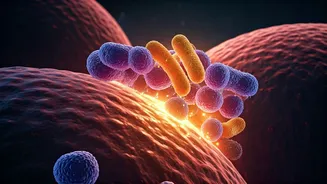
The key to this bacterial intervention lies in specialized structures known as type III secretion systems (T3SS). These tiny, syringe-like molecular machines are found within numerous common gut bacteria. While previously thought to be exclusive to pathogenic bacteria like _Salmonella_, the study reveals their widespread presence even in bacteria typically considered part of a healthy gut ecosystem. These T3SS act as sophisticated delivery vehicles, enabling the bacteria to inject effector proteins directly into the cytoplasm of human cells. This direct injection bypasses conventional cellular defenses and allows bacterial components to exert immediate influence. This discovery is revolutionary, as it challenges the long-held notion that commensal bacteria interact with their hosts primarily through metabolic byproducts or by stimulating broader immune responses. Instead, it points to a far more intimate and direct form of molecular manipulation, where bacterial proteins can essentially reprogram cellular activities from within.
Immune Pathways Targeted
Once injected, these bacterial effector proteins don't act randomly; they specifically target crucial human cellular pathways, particularly those involved in immune regulation and metabolism. By mapping over a thousand interactions between bacterial effector proteins and human proteins, scientists have pieced together a vast interaction network. This analysis highlights that bacterial proteins preferentially engage with human systems that control how our bodies respond to threats and process nutrients. Further laboratory investigations confirmed that these bacterial invaders can significantly alter key immune signaling cascades, including the NF-κB pathway and cytokine production. Cytokines, essential for orchestrating the immune system, can lead to excessive or inappropriate responses, contributing to autoimmune conditions. The findings suggest that bacterial proteins can effectively modulate these immune signals, potentially tipping the balance towards inflammation.
Inflammation Link Strengthened
The implications of this direct protein injection are particularly profound in the context of inflammatory diseases. The research found that genes encoding these bacterial effector proteins are disproportionately abundant in the gut microbiomes of individuals suffering from Crohn's disease, a chronic inflammatory condition. This observation provides a compelling mechanistic explanation for the previously established links between gut bacteria and intestinal inflammation. By delivering proteins that interfere with immune regulation, these bacteria may directly contribute to the chronic, damaging inflammatory processes seen in diseases like Crohn's. This shifts the understanding of such diseases from purely correlational observations of microbial imbalance to a more direct, causative role for specific bacterial mechanisms, opening new avenues for therapeutic interventions.