






Sedentary vs. Inactive
Many people confuse being sedentary with being physically inactive. While physical inactivity means not getting enough structured exercise, such as the
recommended 150 minutes of moderate or 75 minutes of vigorous activity weekly, sedentary behavior refers to prolonged periods of sitting or lying down with minimal energy expenditure. This distinction is crucial because individuals can adhere to exercise guidelines yet still engage in excessive sedentary behavior, for instance, by working a desk job for eight hours after an evening run. The health consequences of prolonged sitting are significant, contributing to a higher risk of serious conditions like cardiovascular disease, type 2 diabetes, and even premature death, underscoring that exercise alone cannot fully negate the detrimental effects of extended inactivity.
Body's Silent Shift
When you remain seated for extended durations, your body undergoes a series of subtle but impactful changes. Skeletal muscle activity drastically diminishes, which hinders your body's ability to effectively process glucose from the bloodstream. This decreased glucose uptake can lead to insulin resistance over time, a well-established precursor to type 2 diabetes. Concurrently, the metabolism of fats slows down significantly. Circulation also becomes less efficient, meaning vital oxygen and nutrients are not delivered as effectively to your body's tissues. This impaired vascular function can contribute to elevated blood pressure. These combined metabolic and circulatory disruptions are key contributors to cardiometabolic issues, manifesting as high blood sugar, unfavorable cholesterol profiles, and increased abdominal fat accumulation.
Physical and Mental Toll
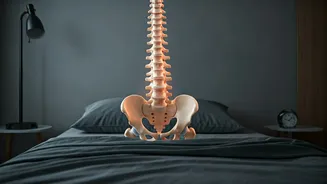
Beyond metabolic and circulatory concerns, prolonged sitting takes a considerable toll on your musculoskeletal system. Maintaining poor posture for hours on end, coupled with a lack of varied movement, places undue strain on the neck, shoulders, and lower back, which is often the root cause of common aches and pains experienced by office workers. The impact isn't confined to the physical realm; extended periods of inactivity can also diminish mental acuity. Alertness, concentration, and overall energy levels may decrease, leading individuals to feel more sluggish and less productive throughout the day. Globally, physical inactivity is estimated to be responsible for a substantial number of deaths annually, highlighting the urgent need to address sedentary time as a public health priority, not just an exercise deficit.
Workplace Intervention
Given that a significant portion of an adult's waking hours is spent at work, the professional environment presents a prime opportunity for intervention against prolonged sitting. Offices, universities, and hospitals are not solely venues for task completion; they also play a role in shaping and reinforcing daily habits. Fortunately, reducing sedentary time doesn't necessitate costly gym memberships or radical office renovations. Implementing small, frequent breaks from sitting can yield substantial health benefits. Research suggests that simply standing or moving for two to five minutes every 30 to 60 minutes can significantly improve glucose metabolism and reduce cardiometabolic risk factors.
Strategies for Movement
Forward-thinking organizations are actively integrating movement into the workday to combat prolonged sitting. Initiatives like walking meetings, scheduled prompts for standing or stretching, and brief movement interludes between tasks are effective methods for decreasing sedentary time. The physical layout of the workplace also plays a critical role. Height-adjustable desks empower employees to alternate between sitting and standing, while strategically placed staircases and accessible walking paths encourage more incidental movement throughout the day. Studies examining such workplace adjustments have shown reductions in daily sitting time by approximately one to one and a half hours, with employees reporting enhanced energy, improved focus, and greater musculoskeletal comfort.
Rethinking the Day
The overarching message is clear: while regular exercise is indispensable for health, it cannot entirely compensate for the risks associated with excessive sitting. Just as smoking prompted a re-evaluation of our work and social environments, prolonged sitting should compel us to fundamentally rethink the structure of our working days. Seemingly minor adjustments like taking a short walk during lunch, standing during phone calls, or getting up between meetings are not trivial; they are crucial for health. For contemporary workers, safeguarding well-being involves not only engaging in physical activity before or after work but, critically, also minimizing sedentary periods while work is actively being performed.