






Cannonball Tree's Grandeur
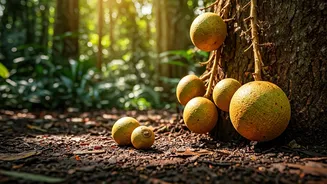
Prepare to be awestruck by the Cannonball Tree, a tropical giant renowned for its dramatic appearance. This tree produces exceptionally large, rust-colored
fruits that remarkably resemble cannonballs, often weighing several kilograms. These unique fruits grow directly from the trunk, creating a striking visual. Botanically curious travelers can seek out these magnificent specimens in various botanical gardens across Sri Lanka and southern India, where it holds significant cultural reverence and is known as the "Nagalingam" tree, adding a layer of spiritual fascination to its botanical intrigue. Its sheer size and unusual growth pattern make it a must-see for any enthusiast of nature's eccentricities.
Miracle Fruit's Sweet Trick
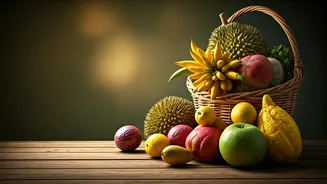
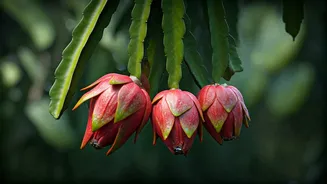
Experience a culinary marvel with the Miracle Fruit, a small, red berry native to West Africa that defies expectations. While it looks much like a lemon, its taste is profoundly sweet, offering a unique sensory experience. The magic lies in a special protein called miraculin, which temporarily rewires your taste buds, making sour foods taste sweet for a period. This peculiar phenomenon has captured the attention of travelers seeking novel gastronomic adventures. You can find farms dedicated to this extraordinary fruit in Ghana, parts of Japan, and even in Florida. In recent times, organized miracle fruit tasting sessions have become a popular attraction for tourists keen to witness this taste-altering wonder firsthand.
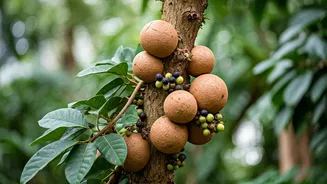
Jabuticaba's Bark Clusters
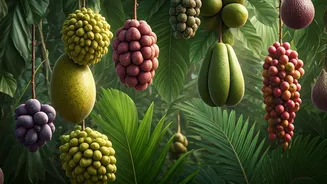
The Jabuticaba tree presents a truly otherworldly sight, with its dark purple fruits appearing to be directly 'glued' onto the tree's bark, a phenomenon that can initially be mistaken for a rare condition. However, this unusual presentation gives way to a delightful taste, often described as remarkably similar to a blend of grape and lychee. Travelers who have encountered this tree often share their astonishment, likening the experience to discovering something from another planet. For those eager to witness this peculiar arboreal display and savor its sweet, exotic flavor, a journey to Brazil, particularly the states of Minas Gerais and São Paulo, is highly recommended to find these unique trees.
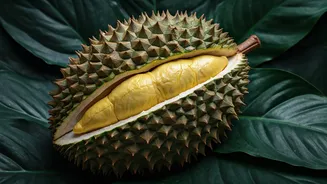
Durian's Infamous Aroma
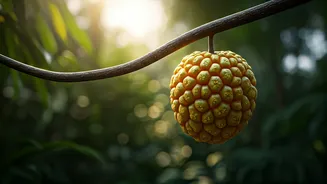
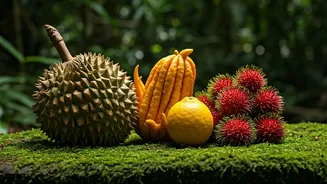
No fruit is more divisive than the Durian, earning its notorious reputation as the 'smelliest fruit in the world.' This spiky, formidable fruit polarizes opinions like few others; some describe its creamy interior as heavenly custard, while detractors liken its potent aroma to that of rotting matter. Beyond its controversial scent and taste, the towering Durian tree itself is an impressive sight, a testament to nature's bold creations. For intrepid travelers seeking to experience this iconic fruit and its majestic tree, destinations like Thailand, Malaysia, Singapore, and Indonesia are the prime locations to find them growing abundantly.
Sausage Tree's Hanging Wonders
Often referred to as Africa's hanging curiosity, the Sausage Tree is immediately recognizable by its enormous, sausage-shaped fruits that dangle directly from thick, rope-like stems. These impressive fruits can grow to lengths exceeding two feet, making them a remarkable sight. While not typically consumed fresh, these peculiar fruits hold significance in their native regions. Adventurous travelers on safari in countries like Kenya, Tanzania, and South Africa can easily spot these distinctive trees, often found thriving near rivers and within wildlife reserves, adding an unexpected element of botanical discovery to the safari experience.
Buddha's Hand's Unique Form
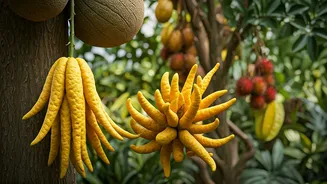
The Buddha's Hand citrus presents a fruit that barely resembles traditional citrus. Its appearance is more akin to an octopus, with long, finger-like segments extending from a central core. Uniquely, unlike common lemons or limes, this fruit contains virtually no juice, making it distinct from its citrus relatives. Its primary use is often for its intensely fragrant zest and peel. Travelers interested in encountering this peculiar specimen can find it gracing temple gardens and featuring in fruit markets across China and Japan, offering a glimpse into its cultural and culinary significance in East Asia.
Baobab's Iconic Silhouette
The Baobab tree is an iconic and unmistakable symbol, often appearing as if planted upside down with its massive trunk and sparse branches. Beyond its striking visual, its velvety fruit encloses a pulp that is remarkably rich in essential vitamins. This nutritious pulp is a valuable resource, commonly incorporated into drinks and various snacks across Africa, highlighting its importance as a food source. For travelers seeking to witness the grandeur of these ancient trees, Madagascar is the ultimate destination. The Avenue of the Baobabs, in particular, is world-renowned and considered one of the most photogenic tree-lined roads globally, offering an unforgettable spectacle.
Ackee's National Pride
Ackee holds the esteemed position of Jamaica's national fruit, a vibrant red fruit that naturally splits open upon reaching ripeness. Inside, it reveals a creamy, yellow flesh surrounding glossy black seeds. However, a crucial note of caution accompanies its consumption: unripe Ackee is toxic and must be prepared with care and knowledge. Travelers interested in experiencing this unique fruit often engage in local food tours to learn about its proper preparation and cultural significance. Visiting Jamaica provides the perfect opportunity to understand and appreciate this important national symbol and its place in the local cuisine.
Mangosteen, Queen's Delight
Often overshadowed by its more pungent counterpart, the Mangosteen is widely celebrated as the undisputed "Queen of Tropical Fruits." This exquisite fruit, encased in a deep purple skin, is cherished for its succulent, white flesh that offers a perfect balance of sweet and tangy flavors. The tree itself is a slow grower, thriving best in humid, tropical environments. For travelers wishing to sample this delicacy, the monsoon season in Thailand and Vietnam presents the ideal time to find and enjoy freshly harvested mangosteens, offering a truly regal tropical tasting experience.
Snake Fruit's Scaly Charm
Among the most visually intriguing tropical fruits, Snake Fruit, also known as Salak, captivates with its reddish-brown, scaly skin that bears a striking resemblance to snake leather. This unique exterior conceals a cream-colored flesh with a delightfully crunchy texture, which many describe as a refreshing combination of apple, pineapple, and banana. These fascinating fruits grow in clusters near the base of palm trees, adding to their exotic allure. Adventurous travelers can find the Snake Fruit tree predominantly in Indonesia, with particular popularity in regions like Bali, Java, and Yogyakarta, offering a taste of the extraordinary.