







Intelligent Road Monitoring
India's expansive highway network is on the cusp of a significant technological upgrade, with the National Highways Authority of India (NHAI) reportedly
set to equip approximately 40,000 kilometers of roads with advanced AI-driven dashcam systems. This forward-thinking strategy aims to shift highway management from a reactive, complaint-driven model to a proactive, data-informed one. Instead of waiting for incidents or public outcry, authorities will leverage these cameras for continuous, automated detection of road issues. Regular, weekly surveys will be conducted, with AI algorithms analyzing footage to pinpoint defects in real-time, thus enabling swift interventions and preventing minor problems from escalating into major concerns. This initiative is designed to foster a more efficient and responsive system for maintaining the nation's critical road infrastructure.
AI Detects Road Defects
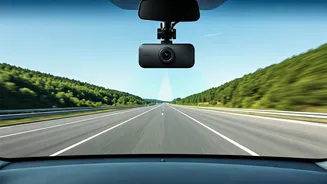
Specialized dashboard cameras will be mounted on Route Patrol Vehicles, enabling them to conduct comprehensive weekly surveys across major highway stretches. These cameras will capture high-definition images and videos, which will then be analyzed by sophisticated AI models. These intelligent systems are being trained to identify over 30 distinct types of road defects and anomalies, with a particular emphasis on pavement condition. The primary objective is to automate the detection of issues like potholes, rutting, and severe cracks, thereby minimizing the reliance on manual inspections. Early identification of such problems is expected to significantly reduce long-term maintenance expenses and proactively mitigate the risks associated with sudden road hazards, potentially even allowing for the tracking of repair progress over time.
Beyond Pavement Scans
The AI system's capabilities extend far beyond just monitoring the road surface. It is designed to scrutinize essential road infrastructure, including lane markings, crash barriers, and streetlights, flagging any faded or damaged components in real-time. Furthermore, the system will actively monitor for broader safety concerns and instances of encroachment. This includes identifying illegal median openings, unauthorized signboards, and roadside encroachments, and potentially even detecting instances of illegal parking along highway corridors. This comprehensive approach ensures a more holistic and effective assessment of highway conditions than traditional inspection methods can provide, leading to a safer and more organized road environment for all users.
Nighttime Safety Checks
To ensure a complete picture of highway safety, NHAI is planning at least one monthly nighttime survey for each highway segment. These nocturnal inspections are vital for assessing the condition and effectiveness of road signs, reflective pavement markings, road studs, and the overall highway lighting system. Issues that might be easily overlooked during daylight hours can become apparent under the cover of darkness. Incorporating nighttime data is anticipated to significantly enhance safety for drivers who travel after sunset, providing crucial insights into potential hazards and areas requiring immediate attention to ensure secure nighttime transit.
Data Zones & Dashboards
Managing the immense volume of data generated by this extensive surveillance network necessitates a structured approach. Consequently, NHAI intends to partition the country into five distinct monitoring zones. Each of these zones will be equipped with tailored IT solutions designed to efficiently process the data, execute AI analytics, and present the findings through interactive dashboards. This segmented approach will enable officials to conduct side-by-side comparisons of road conditions, thereby facilitating effective tracking of maintenance progress. The insights derived from AI analysis will be seamlessly integrated into NHAI's central Data Lake solution, creating a unified and accessible repository of critical road infrastructure information.